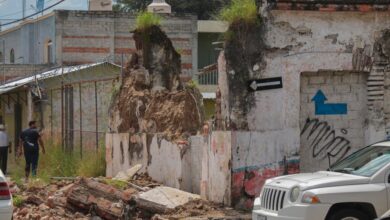

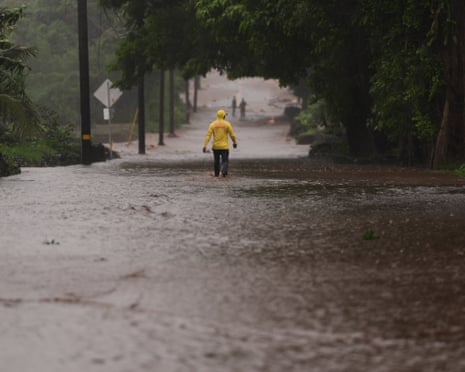
The strain on Hawaiian infrastructure was already evident. Heavy rain fell across the southern part of the island on Saturday afternoon, prompting partial closures of a main highway linking Kailua-Kona in the west to Hilo in the east. More than 120 National Guard members were activated on the Big Island as part of a statewide deployment of roughly 400 personnel following an emergency proclamation issued by the governor. The urgency of the response was compounded by the fact that communities were still recovering from the impacts of Hurricane Lala, which had previously swept approximately 100 homes off their foundations on the Big Island due to heavy rain and strong winds. Despite signs indicating that Carlsmith Beach Park in Hilo was closed, residents continued to navigate the dangerous conditions; one swimmer, Andrea Gill, noted that while heavy rain is common in the region, the sustained winds associated with hurricanes are rare. “We’re used to lots of rain. We’re not used to wind,” she said, reflecting the local adaptation to frequent storms but limited experience with high-intensity hurricanes. Federal Emergency Management Agency (FEMA) assistance was authorized to coordinate support and funding, while Hawaiian Electric crews, who had recently returned from restoring power on Kauai after Hurricane Lowell, were redirected to Oahu, Maui, and the Big Island to prepare for Nolo’s effects.
Thousands of miles to the south, the Pacific Ocean’s unusual activity manifested in a second major storm. Hurricane Polo was approaching the Pacific coast of Mexico, where millions were bracing for landfall along the Baja California peninsula. The storm unleashed flash floods and terrifying winds, drawing intense attention from both Mexican authorities and the neighboring United States. In response to the meteorological threat, coastal flood and high surf advisories were issued for Southern California beach communities, including Los Angeles County, the Malibu coast, Orange County, Ventura County, and the Catalina and Santa Barbara islands. These warnings highlighted the far-reaching impact of Polo, which was expected to generate large surf and potential coastal flooding over the following days. The simultaneous presence of two significant hurricanes in the Pacific underscored the broader meteorological context: the Pacific has been unusually active this season, with storm activity running above average during the peak of hurricane season. Meteorologists noted that this pattern is consistent with El Niño years, during which the Pacific Ocean often experiences increased tropical storm and hurricane frequency.
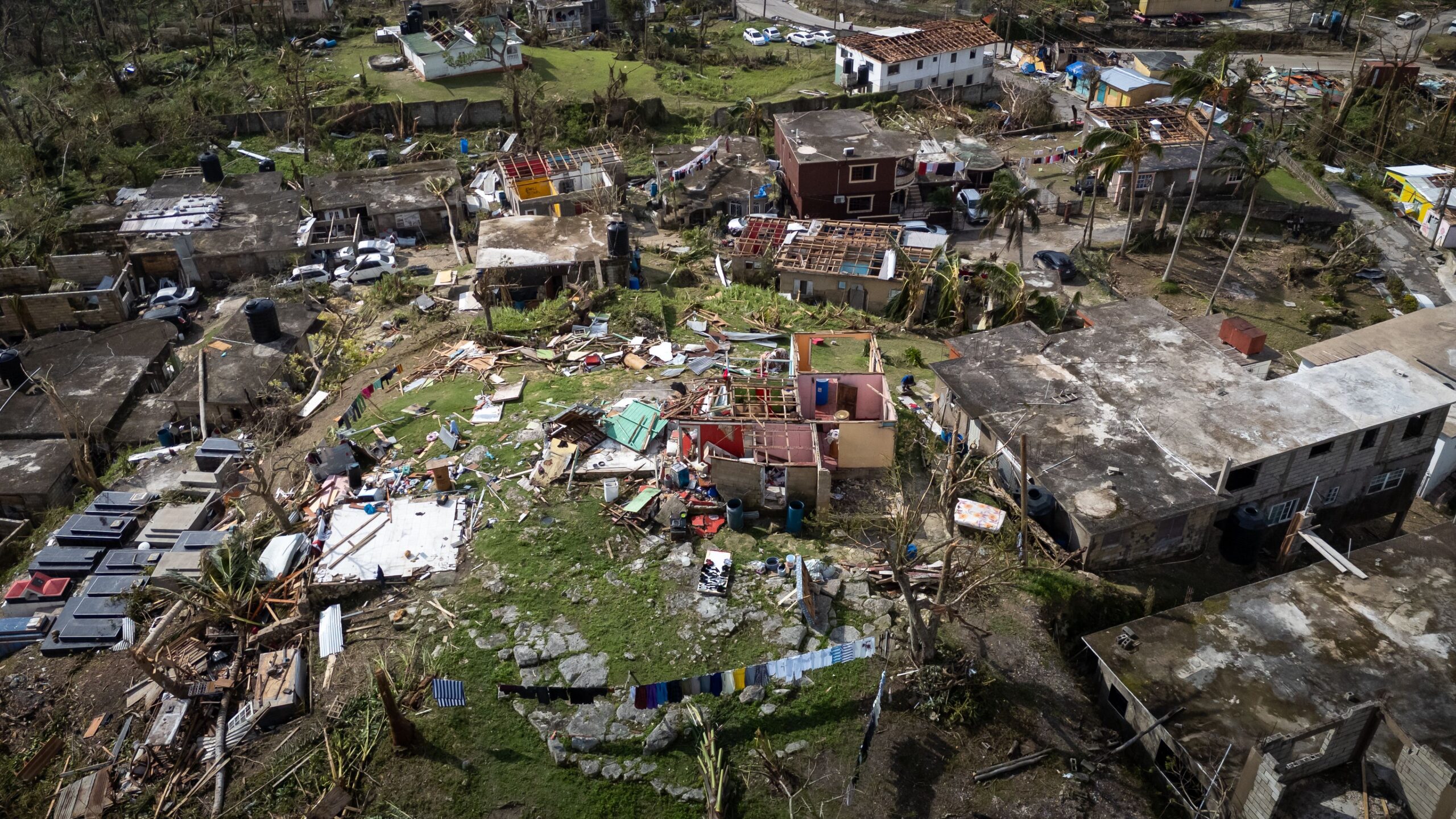
As Nolo turns toward the northwest, its center is expected to remain well south and southwest of the Hawaiian Islands, though its approach to the Papahānaumokuākea marine national monument early in the week poses challenges for conservation areas. Meanwhile, the focus for emergency managers shifts to the long-term recovery in Hawaii, where the cumulative impact of back-to-back storms is testing the resilience of communities and utilities. In Mexico and along the California coast, the threat from Polo remains immediate, with coastal residents urged to avoid beaches and monitor flood conditions. The concurrent management of these two systems illustrates the logistical and environmental pressures placed on Pacific regions during an active El Niño-influenced season, where rapid succession of storms can leave little time for recovery between events.