
Loke stated that incoming aircraft were unable to land at Senai due to visibility issues. Consequently, several flights were diverted to Kuala Lumpur International Airport (KLIA), while one flight was rerouted to Changi Airport in Singapore. Departing flights that had not yet taken off were instructed to delay their journeys. In total, five flights were affected by the situation, with the minister describing the incident as a temporary operational challenge rather than a prolonged closure.
The transport minister’s own travel was impacted by the haze. Loke reported that his flight from KLIA to Johor, originally scheduled to depart at 7:15 a.m., was delayed until 9:00 a.m. He explained that after boarding at 6:45 a.m., the pilot informed passengers that air traffic control had advised against landing at Senai. Given that the aircraft would not be able to land even if it took off, the decision was made to wait at KLIA for nearly an hour and 45 minutes before being cleared for takeoff. Loke noted that many passengers were still waiting for their flights upon his arrival at the Johor facility.
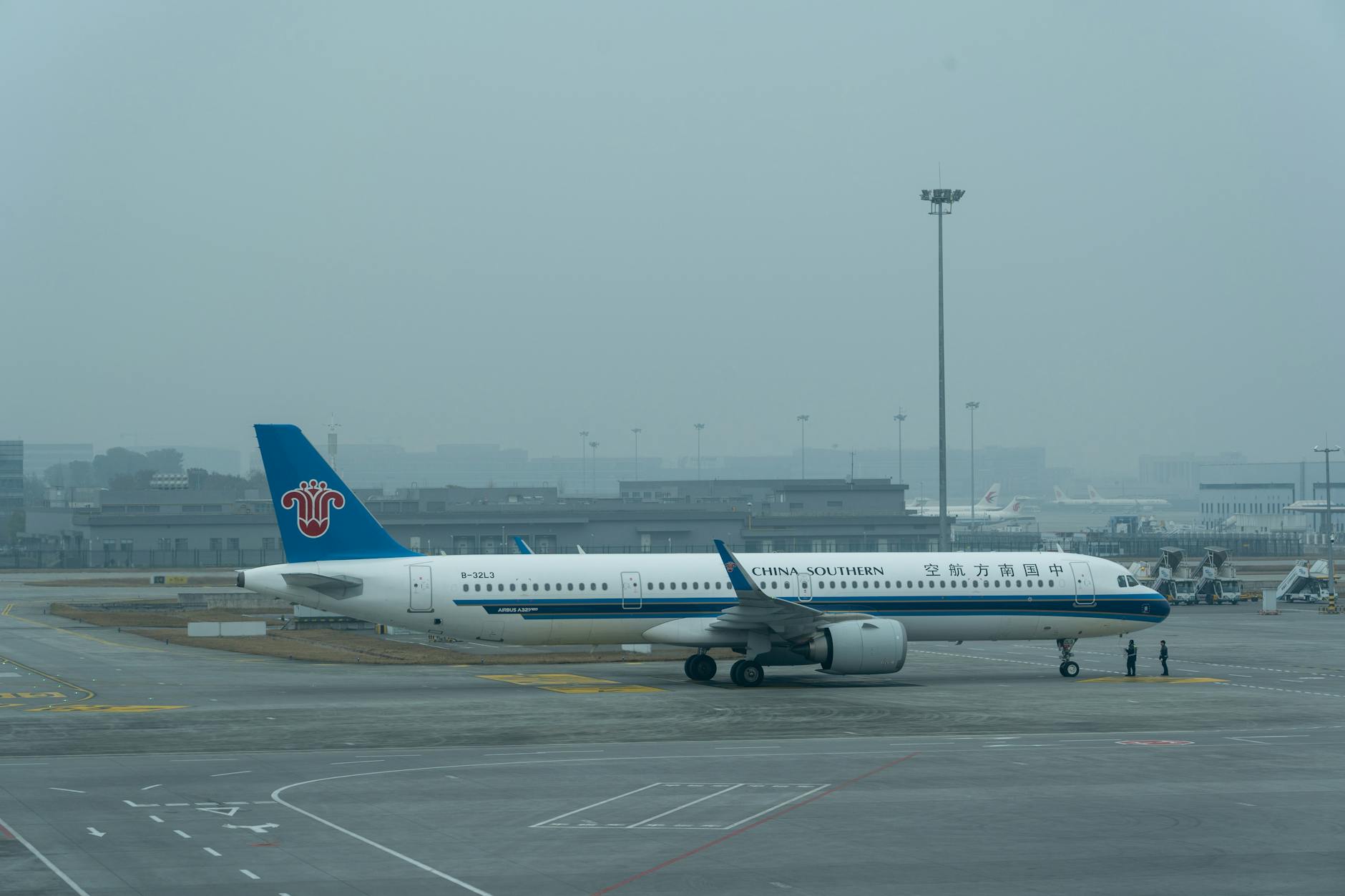
The flight disruptions coincide with degraded air quality across the Johor state. As of 9:00 a.m. on October 8, seven areas in Johor recorded Air Pollutant Index (API) readings at the unhealthy level. By 1:00 p.m., the number of areas reporting unhealthy air quality had increased to eight. The highest API reading was recorded in Segamat at 189, followed by Kluang at 181. Other affected areas included Larkin and Pasir Gudang (175), Tangkak (173), Batu Pahat (163), Pengerang (162), and Kota Tinggi (161).
API readings of between 101 and 200 are categorized as unhealthy, while readings above 301 are considered hazardous. The haze conditions have raised concerns regarding regional air quality management and cross-border environmental impacts, though specific measures to mitigate the haze were not detailed in the minister’s immediate statement. Loke indicated that the operational situation at the airport was expected to resolve within two to three hours, suggesting a temporary improvement in visibility.

The incident highlights the vulnerability of regional air travel to transboundary haze, a recurring issue in Southeast Asia. While the diversions to Kuala Lumpur and Singapore ensured passenger safety, the delays caused significant inconvenience for travelers and disrupted local logistics. The Malaysian government has not announced immediate emergency measures beyond the standard aviation safety protocols applied during the disruption.
The next expected development is the monitoring of air quality trends in Johor over the coming days to determine if the haze persists or dissipates. Aviation authorities will continue to assess visibility conditions to ensure safe operations at Senai International Airport.
