The victims were Nordaniel Aiman Norlizan, 18, his younger brother Nordaniel Fikri Norlizan, 11, and his younger sister Puteri Naufa Raisha Norlizan, 8. According to reports, the three were found lying motionless at the scene of the accident by their grandfather. The elder brother, Nordaniel Aiman, had taken his younger siblings on a motorcycle to verify the status of their school in person. Despite the school being officially closed due to the haze, the siblings wished to attend classes and sought to confirm the closure for themselves.
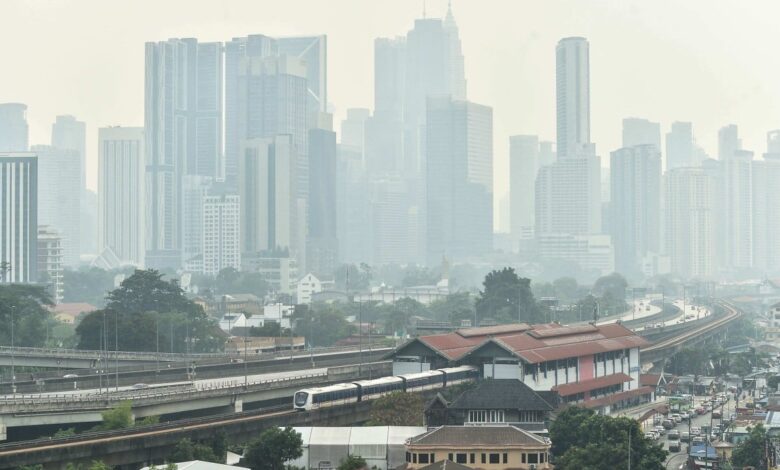
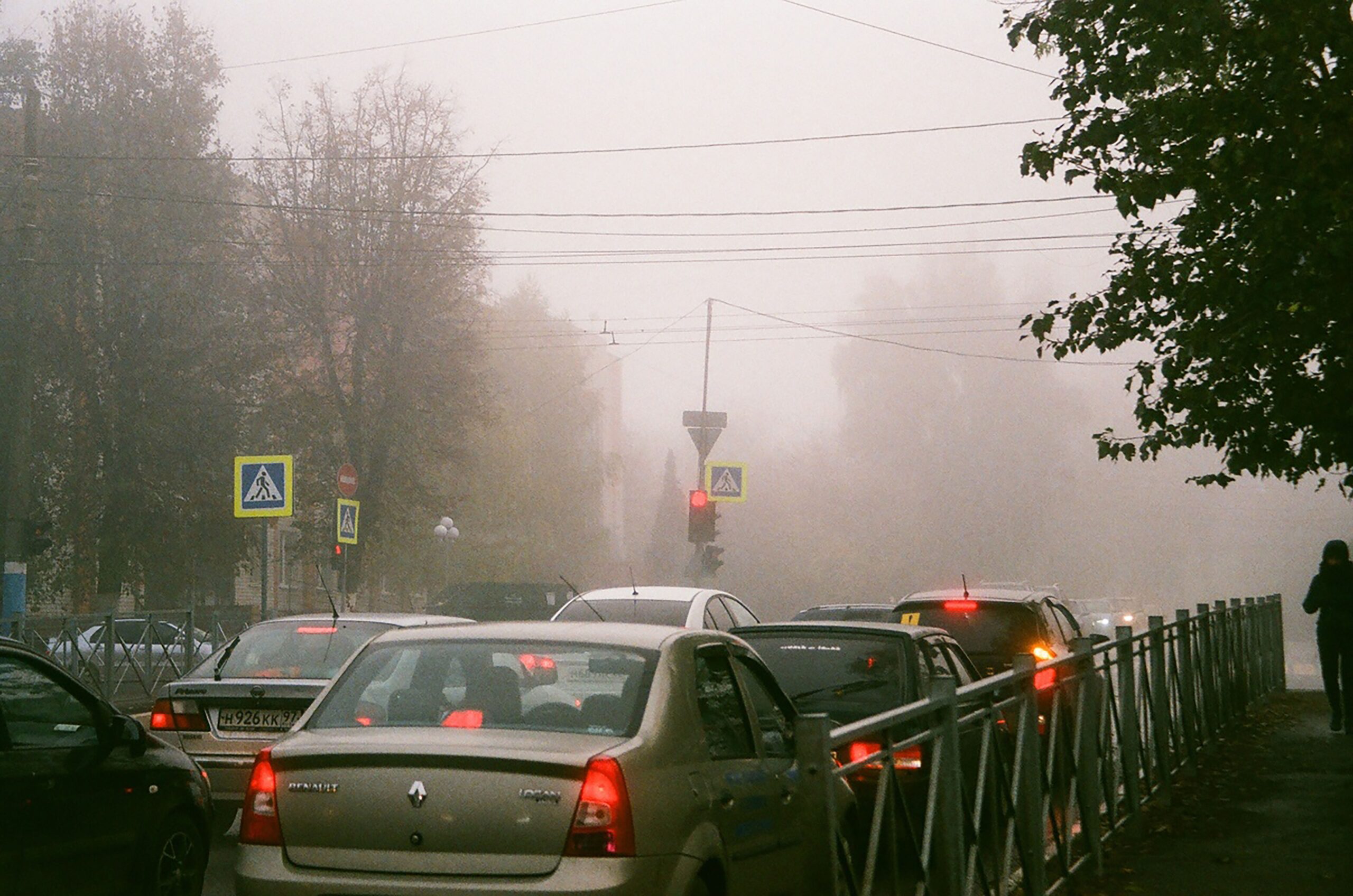
The incident serves as a stark illustration of the tangible dangers posed by transboundary smoke haze, a recurring environmental crisis in the region. While often discussed in terms of air quality index (AQI) readings and respiratory health impacts, the haze also creates acute public safety hazards. Reduced visibility on roads and highways significantly increases the risk of traffic accidents, a factor that directly contributed to this fatal outcome.
Smoke haze in the region is primarily caused by slash-and-burn land clearing for agriculture and palm oil plantations, often originating in neighboring countries. The resulting particulate matter, particularly PM2.5, lingers in the atmosphere, reducing visibility and creating hazardous driving conditions. In such events, schools and workplaces are frequently forced to suspend operations to protect the health of students and workers. However, the disruption to daily life can lead to unpredictable behaviors, such as families traveling through hazardous conditions to verify information that may have been communicated through other channels.
The deaths of the three siblings highlight the intersection of environmental degradation and public infrastructure challenges. In areas frequently affected by haze, the reliability of official communications regarding school closures and safety warnings is critical. When visibility drops below safe thresholds for travel, the risk to individuals who must navigate public roads increases exponentially. This case underscores the need for robust public information systems and alternative means of communication during environmental emergencies to prevent unnecessary exposure to danger.
Environmental experts and public health officials have long warned that the health impacts of smoke haze extend beyond respiratory illness. The physical presence of smoke on roads creates a complex set of risks for transportation safety. For families, the uncertainty surrounding school status during a haze event can lead to decisions that prioritize immediate educational needs over safety, a trade-off that can have catastrophic consequences when visibility is compromised.
The incident in Johor has reignited calls for more stringent regional cooperation on fire prevention and land management practices. While the immediate cause of death was a road accident, the underlying condition that necessitated the travel and created the hazardous environment was the smoke haze. This distinction is crucial for policy responses. Addressing the root cause of the haze requires international diplomatic efforts and enforcement of environmental laws in source countries, while local responses must focus on public safety measures, including clear and accessible communication protocols for school closures and travel advisories.
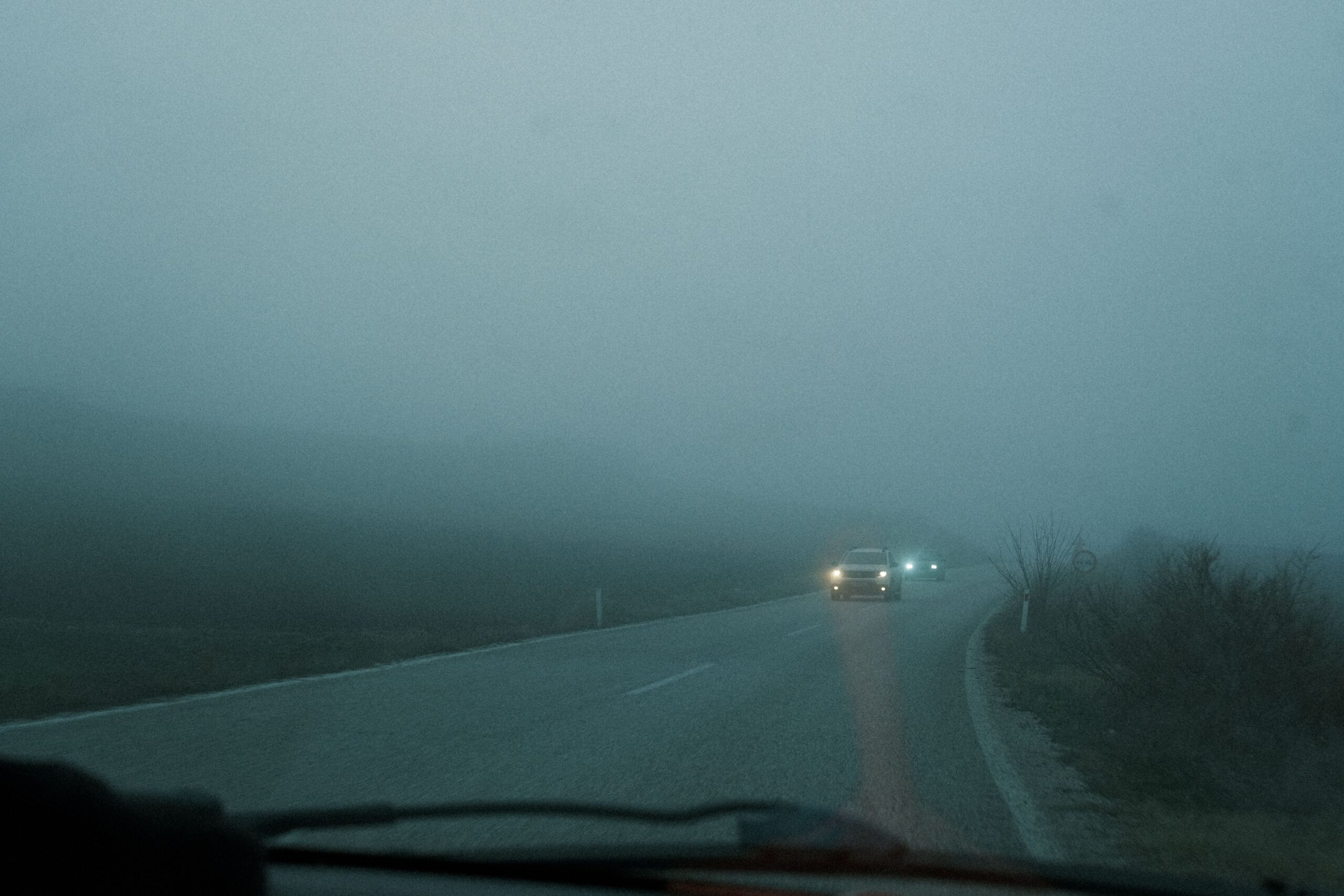
For the community in Johor, the tragedy represents a profound loss and a reminder of the persistent threat posed by regional environmental issues. The families of the victims are now dealing with the aftermath of the accident, while authorities investigate the specific circumstances of the collision. The case will likely be cited by environmental advocates as a concrete example of the human cost of inaction on transboundary pollution issues.
As the region prepares for the dry season, when the risk of haze returns, the incident serves as a somber reminder of the urgency needed to address both the environmental and safety dimensions of the crisis. Effective mitigation requires a dual approach: reducing the sources of smoke through regional cooperation and ensuring that local communities have the resources and information necessary to navigate the risks associated with poor air quality.
The next critical step involves reviewing the protocols for communicating school closures and public safety warnings during haze events. Ensuring that these messages are clear, timely, and accessible can help prevent families from making risky decisions during periods of reduced visibility. The memory of the three siblings may serve as a catalyst for improving these systems and reinforcing the importance of environmental stewardship in safeguarding public safety.