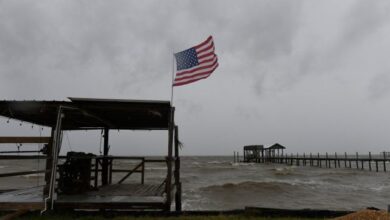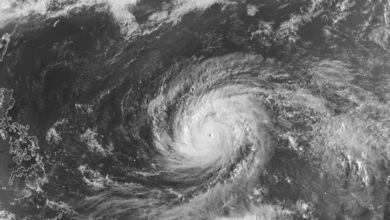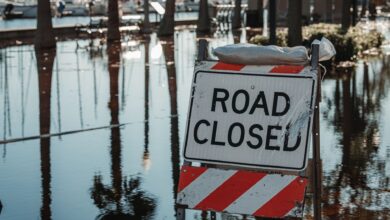
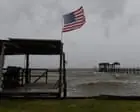
The storm’s arrival on the U.S. Gulf Coast marked a significant early-season event, subjecting coastal communities to dangerous conditions. As Isaias crashed into the region, it lashed areas with high winds and heavy rain, posing immediate threats to infrastructure and low-lying zones where flooding was expected. Residents in these vulnerable areas had been advised to evacuate ahead of the storm’s arrival to mitigate risks to life and property.
Weather authorities issued severe warnings regarding the potential for “life-threatening” storm surges along the Gulf Coast. In addition to rising water levels and extreme winds, the system also presented a risk of tornadoes, adding a layer of unpredictability to the immediate hazards. The combination of these factors created a complex emergency scenario for first responders and local governments tasked with managing the aftermath and protecting remaining residents.
The geographic scale of the emergency response extended well beyond the immediate point of landfall. Governors of Mississippi, Alabama, and Florida declared states of emergency in anticipation of the storm’s impact. These declarations mobilize state resources and facilitate federal support, highlighting the broad regional threat posed by the cyclone. In Florida, local authorities such as those in Panama City Beach also declared states of emergency, underscoring the localized urgency felt in communities directly in the storm’s path.
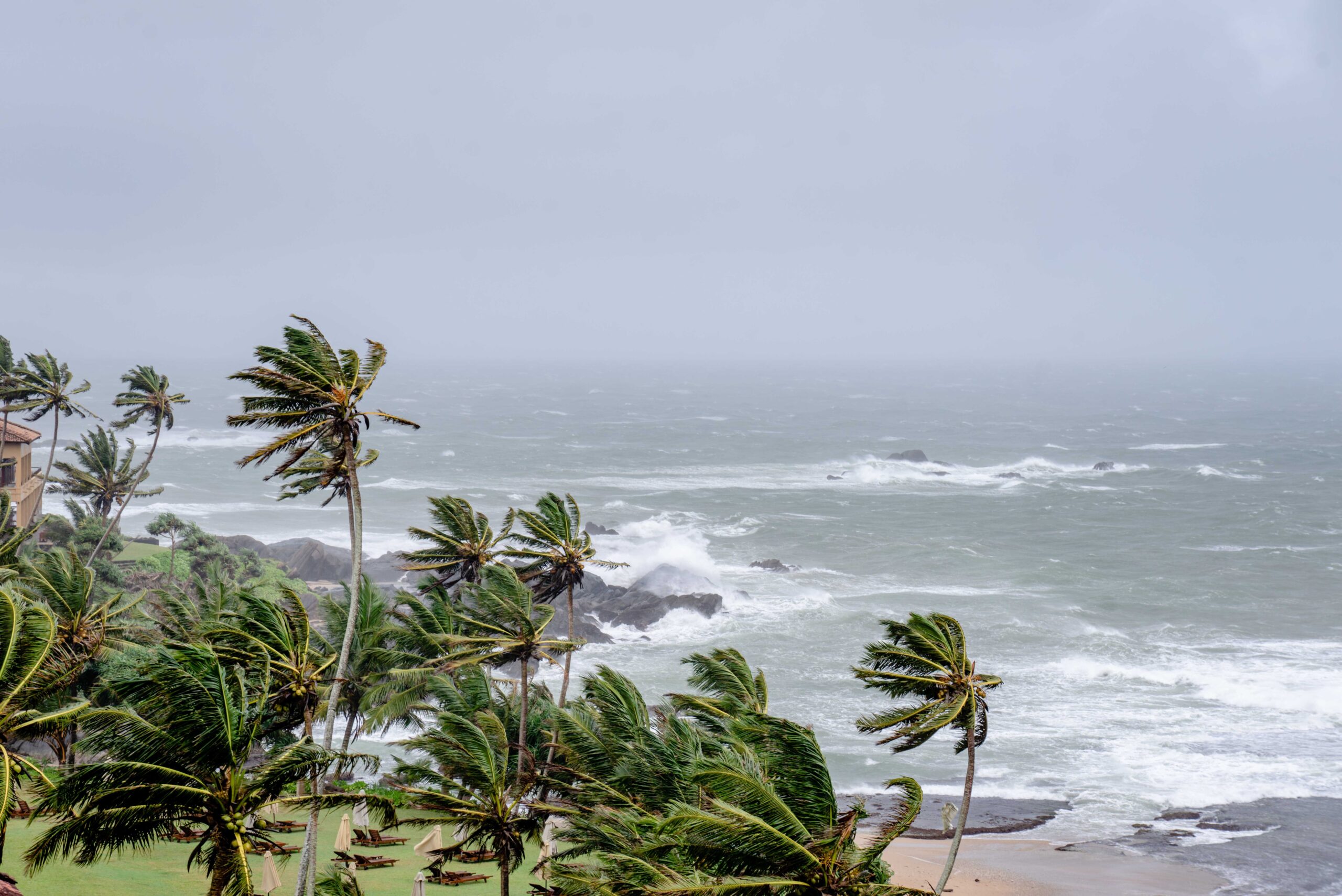
The timing of Isaias’s landfall is notable for its occurrence at the start of the 2026 Atlantic hurricane season. While early-season hurricanes can vary in intensity and trajectory, this event served as the season’s inaugural major storm, setting the initial tone for meteorological activity in the Atlantic basin. The storm’s development and rapid impact on the U.S. mainland required immediate coordination among local, state, and federal agencies.
Among the federal agencies involved, the Federal Emergency Management Agency (FEMA) faced what has been described as its first major test in its current operational state. The agency’s response capabilities are under scrutiny as it manages the aftermath of the hurricane, a challenge compounded by its downsized status. The effectiveness of the response will be determined by how quickly aid can be deployed to affected areas, how efficiently resources are allocated, and how well the agency coordinates with state and local partners in the immediate recovery phase.
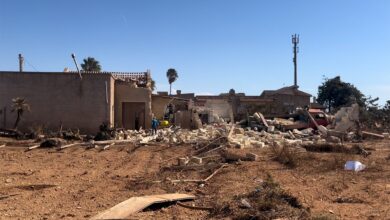
The immediate effects on people, infrastructure, and ecosystems are the primary focus of the current response. While the storm has made landfall, the full extent of damage and the long-term environmental impacts remain to be assessed. The convergence of wind, rain, and surge created a multifaceted hazard that required comprehensive preparedness efforts. The declarations of emergency in three states indicate that the threat was perceived as significant across a wide swath of the Gulf Coast, necessitating a coordinated regional approach to safety and recovery.

As the storm moves inland, the focus shifts to the assessment of damage and the provision of assistance to affected populations. The distinction between the immediate weather event and its broader climatic context is important; while Isaias is a specific meteorological phenomenon, its occurrence is part of the annual hurricane season cycle. The severity of the storm, characterized by its Category 2 status and associated hazards, underscores the inherent risks faced by coastal communities in the Gulf region.
The next steps involve detailed damage assessments, ongoing monitoring of residual weather threats such as tornadoes and flooding, and the implementation of recovery plans. The performance of emergency management agencies in the coming days will be critical in determining the resilience of the affected communities and the effectiveness of the disaster response framework.