
This scene in Delaware County is part of a broader, urgent response to a public health crisis unfolding across the United States. As of late September, the Centers for Disease Control and Prevention reported 3,887 confirmed measles cases nationwide, with 46 states and the District of Columbia affected. This surge marks a significant increase from the 2,289 cases reported in 2025. Approximately 95% of those infected had not been vaccinated or had an unknown vaccination status, with children and teenagers accounting for the majority of cases.
The local push is a direct answer to a national policy shift. Federal health officials have recently issued an executive order seeking to reduce the number of universally recommended childhood vaccines from 17 to 11 and to split the measles, mumps, and rubella (MMR) shot into three separate injections. The order arrived without new scientific evidence supporting the changes. Paul Offit, director of the Vaccine Education Center at Children’s Hospital of Philadelphia, noted that manufacturers have no plans to split the MMR formulation, as doing so offers no safety benefit. He emphasized that the vaccine has been used safely in the U.S. for about 60 years, and that splitting the shot would lead to more doctor’s visits, increasing the likelihood of missed appointments.

With federal guidance viewed by many as unreliable, the responsibility for reassuring parents and maintaining immunization rates has shifted to state health departments, governors, and local healthcare providers. In Iowa, several Linn County health care providers, including Eastern Iowa Health Center and Linn County Public Health, have launched a second-year campaign urging residents to check their measles vaccination status. The effort highlights that two doses of the MMR vaccine are 97% effective at preventing the disease.
Meanwhile, in Florida, state leaders are working to dismantle school vaccine mandates. A satirical national campaign featuring a fictional mascot named “Mr. Measles” has targeted Florida’s policies, placing ads in newspapers and on social media. The campaign, funded by a nonprofit called Informed Consumer, aims to raise awareness about the resurgence of measles and the preventable nature of the crisis. Florida’s Department of Health recently considered dropping mandates for four vaccines currently required for school attendance, though the MMR shot was not among them. This move follows statements from state officials and an attorney general’s letter to Catholic schools regarding religious exemptions for vaccines.
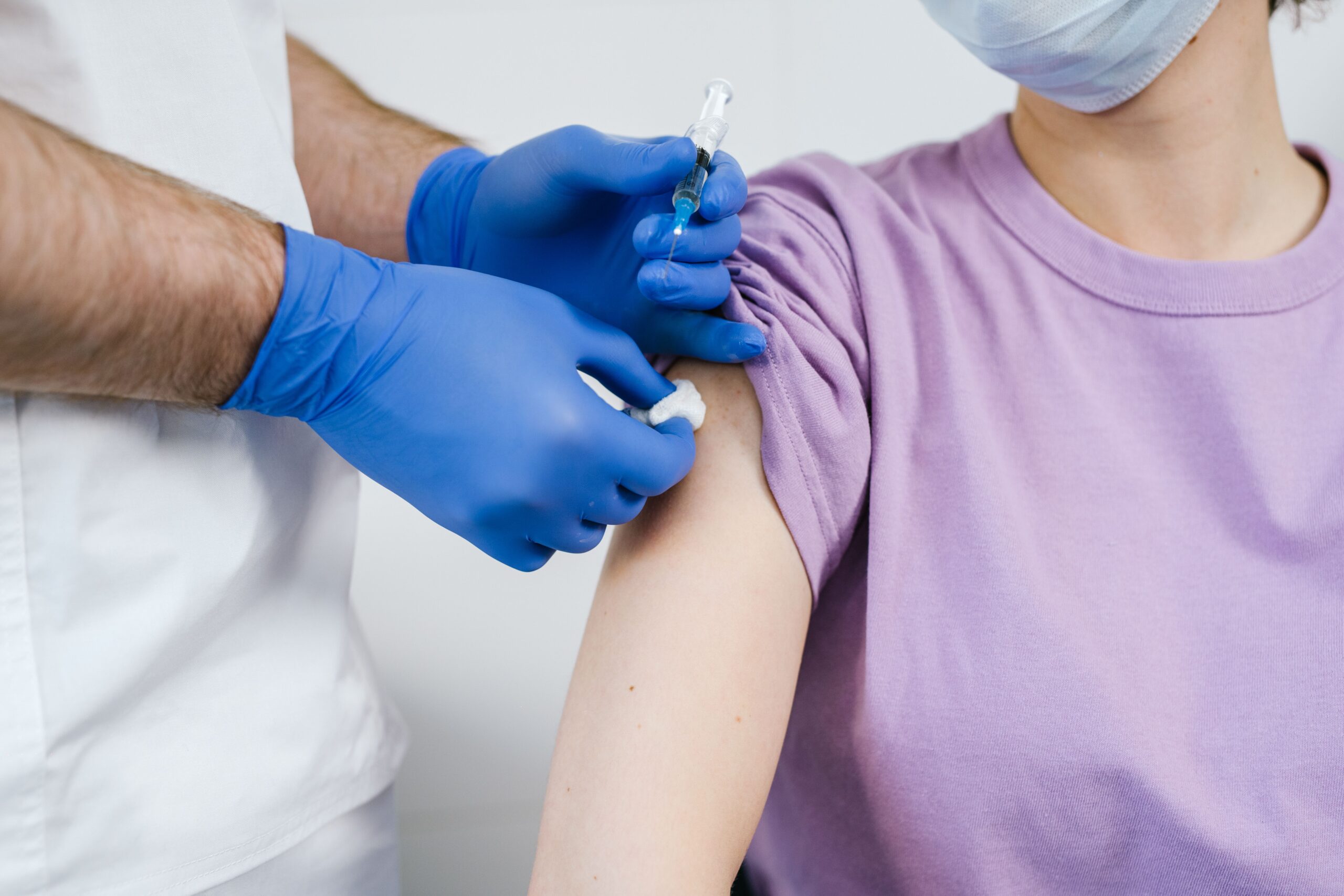
Andrew Racine, president of the American Academy of Pediatrics, stated that measles is a “canary in the coal mine,” signaling the need to worry about other vaccine-preventable diseases. He emphasized that local efforts are critical to demonstrate what the science shows and to provide a dependable, evidence-based vaccine schedule. CDC data indicates that the number of kindergarteners claiming vaccine exemptions for the 2025-26 school year hit a record high, while overall vaccination rates decreased. Hesitancy is particularly high in certain rural areas and in states that have expanded vaccine exemptions.
Local health officials are using mobile clinics, such as a 33-foot traveling RV in Pennsylvania, to bring vaccinations to community events. These strategies, combined with school district partnerships and data transparency, aim to keep immunization rates from sliding further. As the next school year begins, the focus remains on ensuring that children are protected before they enter classrooms, a task that local providers are now taking on in the absence of consistent federal support.