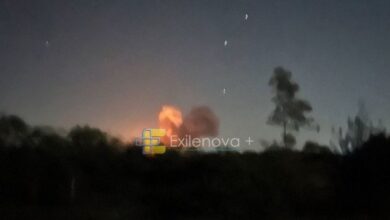
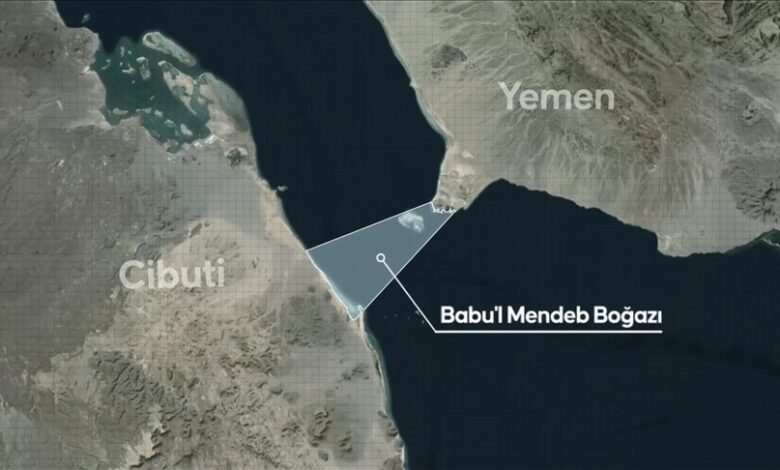
The Houthis stated that the air strikes specifically targeted an oil company facility in Hodeidah province, located in the western part of the country. Additionally, various areas within the provinces of Taiz, Hajjah, and Saada were reportedly subjected to aerial bombardment. These strikes represent a significant escalation in tactical operations, affecting both military and potentially civilian infrastructure in key regions.
The coalition’s characterization of the action as a “wide-ranging operation” suggests a shift from sporadic retaliatory strikes to a more sustained campaign. While specific details regarding the operational scope, such as the number of sorties flown or the exact nature of the military assets deployed, have not been detailed in the initial announcements, the geographic spread of the targets indicates a theater-level operational posture. The involvement of Hodeidah is particularly notable given its status as the primary port of entry for humanitarian aid and commercial goods into much of Yemen.
The Houthi response to the strikes serves as a primary source of verification for the coalition’s claimed actions. By identifying the specific facilities and provinces hit, the Houthis have effectively confirmed the occurrence of the attacks, even as they frame them as aggression against civilian and state assets. This dynamic is consistent with previous phases of the conflict, where one party announces an operation, and the opposing faction lists the specific sites targeted to illustrate the scale of the impact.
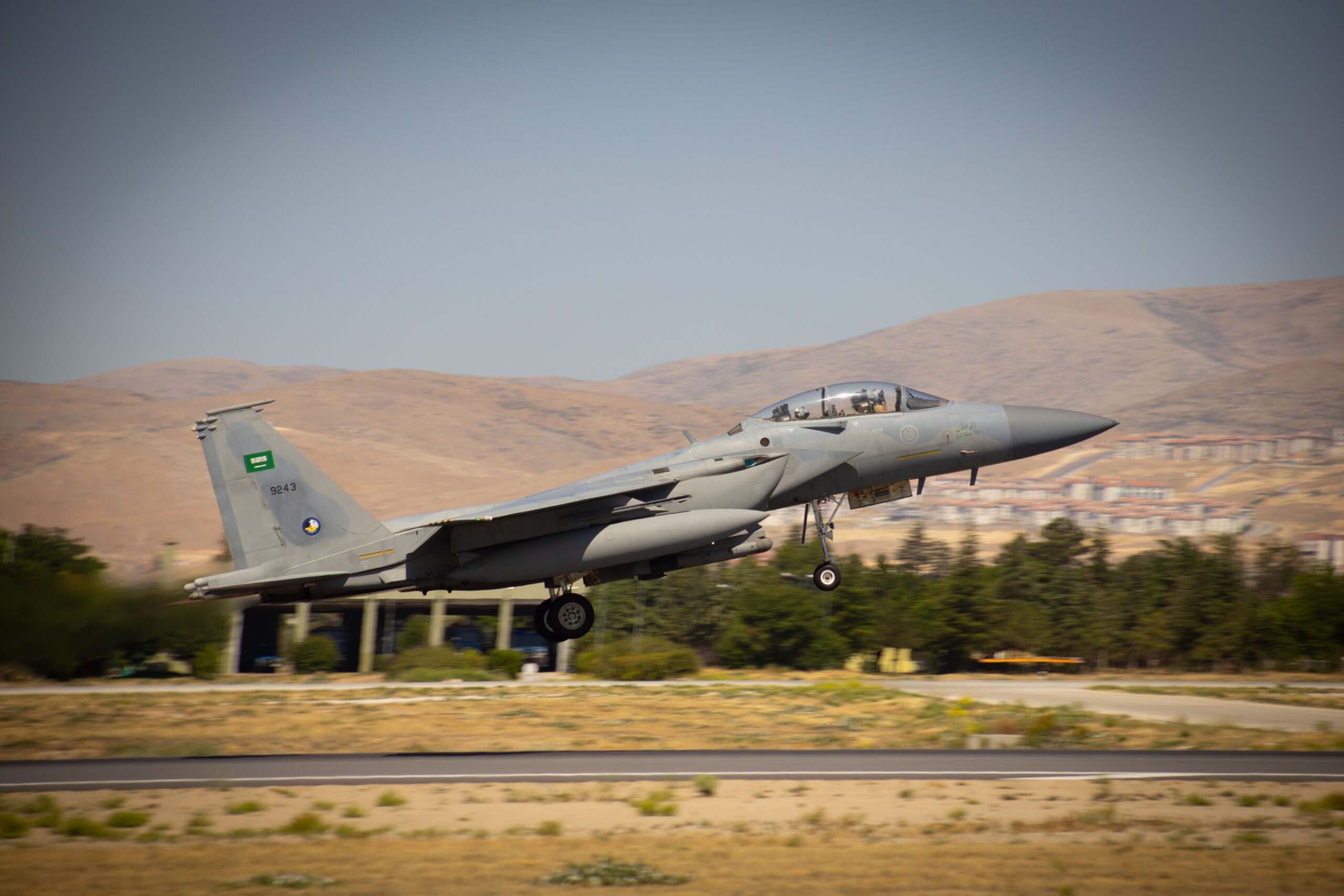
The strategic implications of this renewed operation extend beyond the immediate battlefield. Yemen remains a critical flashpoint in the broader regional security architecture, with the Houthi movement serving as a proxy for Iranian influence in the Red Sea and the Arabian Peninsula. The resumption of wide-ranging air operations by the Saudi-led coalition signals a determination to degrade Houthi capabilities and infrastructure, potentially aiming to disrupt their logistical networks and command structures.
From a defense perspective, the targeting of an oil facility in Hodeidah raises questions about the coalition’s objectives regarding economic infrastructure. Such strikes can have immediate humanitarian consequences, complicating the delivery of fuel and electricity to civilian populations. The provinces of Taiz, Hajjah, and Saada have been focal points of intense fighting for years, with Taiz serving as a major urban center where control has long been contested. Strikes in these areas may aim to disrupt Houthi supply lines or degrade their defensive positions.
The distinction between tactical gains and strategic outcomes remains unclear at this stage. While the coalition has declared a broad operation, the immediate effect on Houthi military readiness or their ability to conduct long-range missile and drone attacks on Saudi and UAE territory has not been established. The operation’s success will depend on its duration, the precision of the strikes, and the coalition’s ability to sustain air superiority without significant attrition of its own assets.
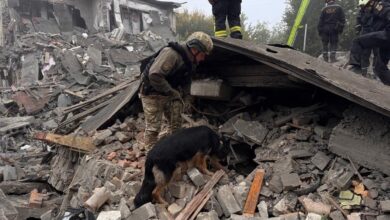
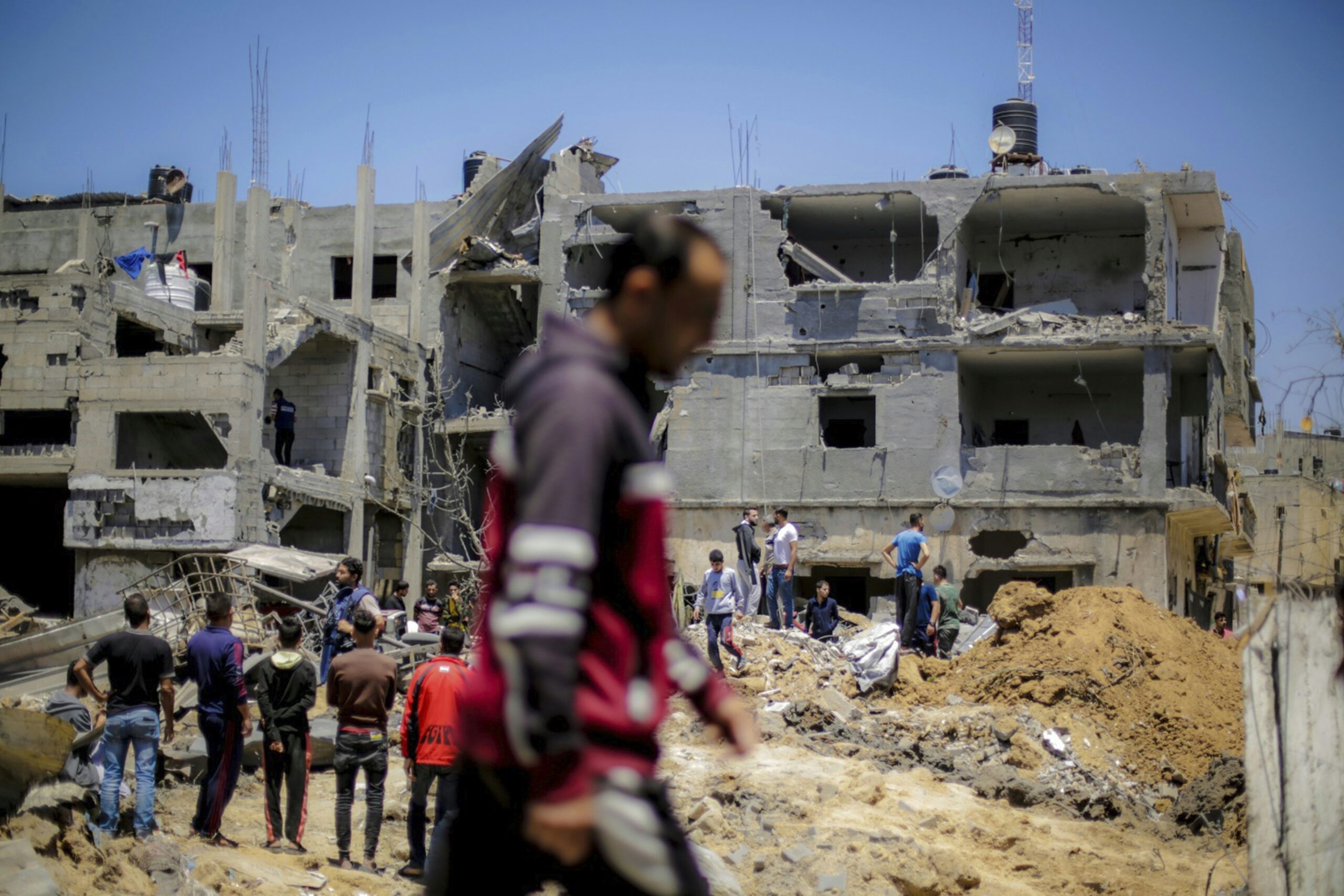
Civilian impact is an inevitable concern in such widespread operations. The targeting of multiple provinces suggests that the conflict has expanded geographically, potentially displacing more civilians and straining local services. International humanitarian law requires that military operations distinguish between military objectives and civilian objects, and the use of air power in densely populated areas like Taiz poses significant risks to non-combatants.
As the operation unfolds, the focus will likely turn to the specific capabilities being employed and the response from the Houthis. The Houthi movement has previously demonstrated the ability to launch retaliatory missile and drone attacks despite sustained air campaigns. The coming days will determine whether this “wide-ranging operation” translates into a decisive shift in the balance of power on the ground or if it represents another cycle of escalation in a protracted conflict.
The situation remains fluid, with both sides likely to adjust their operational plans based on the initial outcomes of these strikes. For the Saudi-led coalition, the operation may be intended to leverage diplomatic channels by demonstrating military resolve. For the Houthis, the strikes may serve to rally domestic support and justify continued resistance. The broader regional context, involving Iran, the United States, and other international stakeholders, will play a crucial role in shaping the trajectory of this renewed confrontation.
At present, the verified facts confirm the launch of a coalition air operation and the Houthi confirmation of strikes on specific facilities in Hodeidah, Taiz, Hajjah, and Saada. The strategic and operational consequences of these actions are still emerging, with the full extent of the damage and the subsequent military responses yet to be fully assessed.