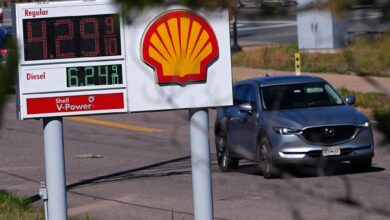
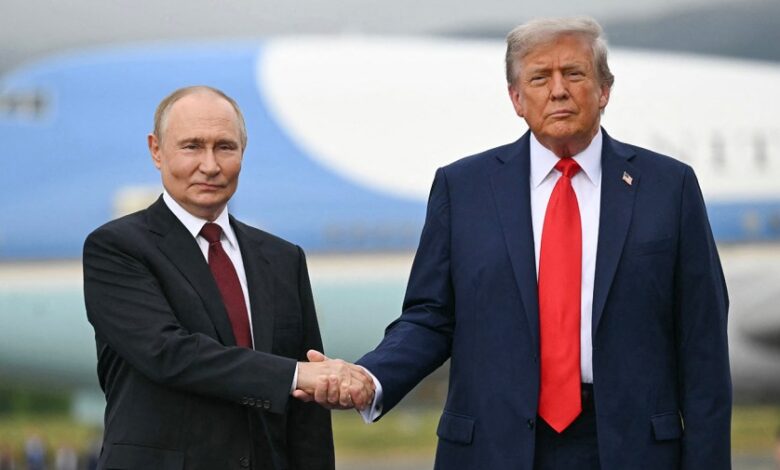
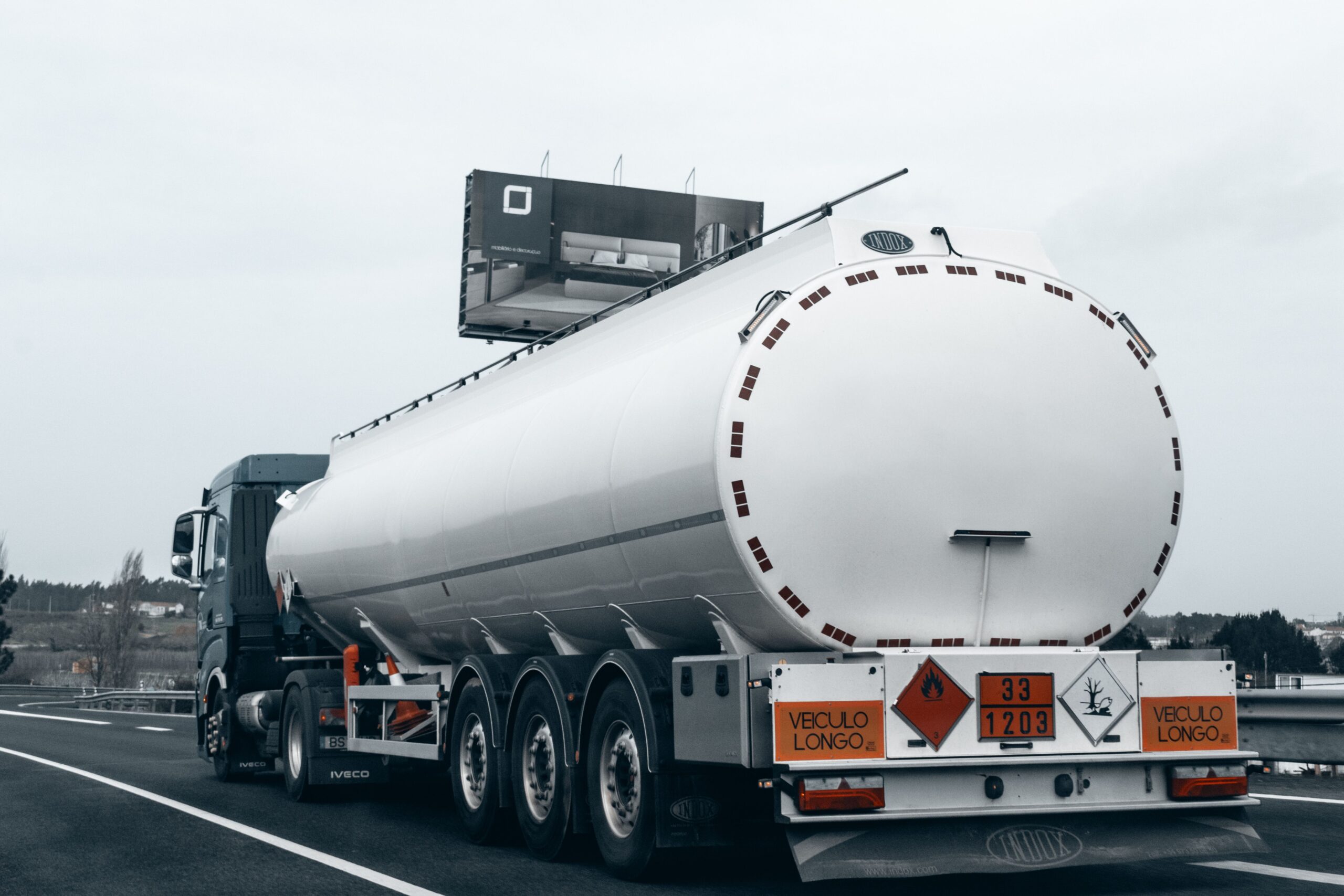
The decision was driven by the economic impact of Ukraine’s military campaign against Russian energy infrastructure. Ukrainian strikes on Russian oil refineries in recent months were highly effective, causing an energy crisis within Russia and leading Moscow to ban diesel exports. This supply shock, compounded by global market pressures from the war in Iran, contributed to soaring fuel prices in the United States. U.S. officials stated that the administration decided to move forward with the deal after Ukrainian President Volodymyr Zelensky ignored multiple requests to halt attacks on Russian refineries. A U.S. official with direct knowledge of the negotiations noted that while the strikes caused pain in Russia, they also caused pain for U.S. consumers, a factor that Trump prioritized in his decision-making.
“Zelensky is misreading the room. By continuing to hit refineries, he is eroding the good will that he has built with Trump over the last six months,” a U.S. official said.
The announcement precipitated a sharp diplomatic crisis between Washington and Kyiv. Zelensky, who was reportedly not informed of the sanctions relief prior to its announcement, condemned the move as “not fair and not honest.” He characterized the deal as an unwarranted gift to Putin that would provide the Kremlin with billions of dollars to continue the war. After meeting with a U.S. Congressional delegation in Kyiv, Zelensky further criticized the decision as “weak,” arguing that “gifts to Putin will bring neither peace nor any benefit to the civilized world.”
Behind the scenes, tensions had been building during eight hours of talks in Miami on Friday. U.S. envoys Steve Witkoff and Jared Kushner engaged with a Ukrainian negotiating team, focusing on finalizing security guarantees from the U.S., Europe, and NATO. The discussions covered a postwar package for Ukraine, including funding for reconstruction, rebuilding the military, and addressing war-related budget deficits. They also discussed a roadmap for Ukraine’s accession to the EU and a potential Europe-Russia postwar security framework. However, the Ukrainian team was informed that Trump intended to lift sanctions on Russian diesel exports to lower energy prices. A Ukrainian official claimed that during these talks, U.S. representatives threatened to cut off intelligence sharing if Ukraine continued its refinery strikes, a threat a U.S. official denied, stating instead that the U.S. emphasized its role as a strong partner providing munitions and intelligence.
Ukraine’s position remains firm. Despite the U.S. lifting sanctions, Ukrainian officials have stated they do not plan to stop long-range drone attacks on Russian energy infrastructure. “We will burn [Russian] oil refineries,” one Ukrainian official said. This stance highlights a significant divergence in strategic objectives: while the U.S. seeks to stabilize domestic consumer prices through trade, Ukraine views the degradation of Russia’s energy capacity as a critical military lever.
Meanwhile, the prospect of a broader peace deal remains uncertain. Russian foreign policy adviser Yuri Ushakov stated that Putin declined to commit to resuming peace talks during his call with Trump. Ushakov cited Ukrainian strikes on Moscow and other cities during Russian parliamentary elections as having “thwarted the possibility of an immediate resumption of the negotiation process,” adding that Russia would continue combat operations until Ukraine capitulated. U.S. officials, however, maintain that Putin is open to discussion and that Witkoff and Kushner are considering visits to Moscow and Kyiv next week to discuss new proposals, though it remains unclear how the diesel deal controversy will affect these plans.
The immediate economic outcome is the influx of Russian diesel into a strained global market. For U.S. households, the policy aims to reverse the upward pressure on fuel costs ahead of the midterm elections. However, the move risks complicating the diplomatic efforts to end the war, as the U.S. navigates between the immediate economic interests of American consumers and the security requirements of its ally in Kyiv.