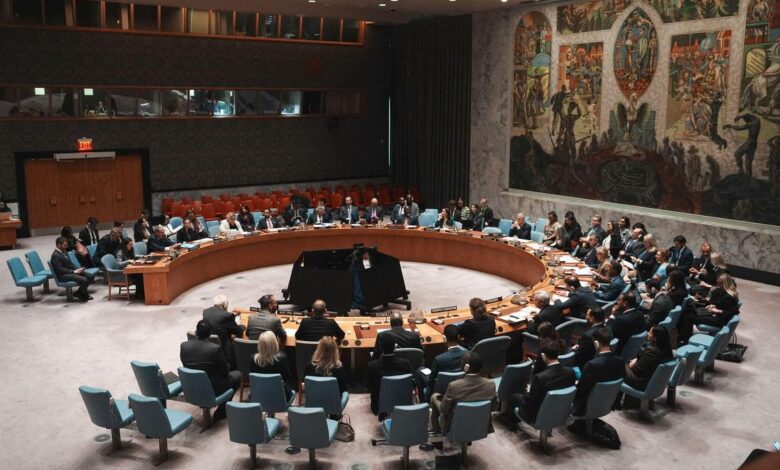
In a separate diplomatic development, India is navigating a contested path to securing another non-permanent seat on the United Nations Security Council. Sources characterize the route to this position as not easy, presenting a significant test for India’s diplomatic efforts within the international body.
The juxtaposition of these two developments underscores the current geopolitical landscape. While the Security Council addresses the escalating humanitarian and military crisis in Sudan, member states including India are engaged in the procedural and political struggles inherent in securing council representation. The specific mechanisms of the Sudanese conflict’s spread, such as the frequency of drone operations or the precise scale of hunger-related casualties, are cited in the council’s live reporting but require further independent verification for detailed quantification.
India’s bid for a non-permanent seat is framed as a substantial challenge, reflecting the competitive nature of the election process for such positions. No specific dates, voting outcomes, or rival candidates have been confirmed in the available materials. The connection between the Sudan crisis and India’s seat contest is procedural rather than causal; both occur within the same institutional framework but involve distinct diplomatic tracks.
The immediate significance of these events lies in the dual pressure on the international community: managing a deteriorating security situation in the Horn of Africa and navigating the internal political dynamics of the UN Security Council. The lack of independent verification for specific casualty figures or the exact timeline of India’s candidacy process necessitates caution in interpreting the full scope of both developments.
The next expected event remains the continued monitoring of the Sudan conflict by the Security Council and the progression of India’s diplomatic campaign for a non-permanent seat, with no confirmed resolution or immediate scheduled vote provided in the source material.