
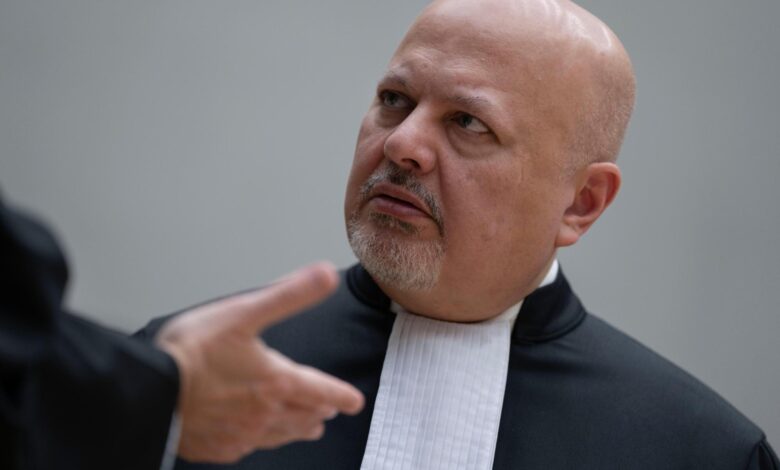
The sanctions prohibit U.S.-based banks and companies from conducting business with the ICC. U.S. organizations and individuals are given six months to wind down contracts and cease other activities with the court. Secretary Rubio described the ICC as a “rogue court” and asserted that the United States and the American people are not subject to its jurisdiction. “Either the ICC will end its threats, or we will end the ICC,” Rubio said, adding that the U.S. expects its allies to rein in the court or face further measures.
The timing of the announcement drew immediate scrutiny, as it occurred just hours after Navi Pillay, an 85-year-old South African jurist and former ICC judge, was awarded the Nobel Peace Prize. Pillay, who led the United Nations commission of inquiry that concluded Israel had committed genocide in Gaza, responded to the sanctions by expressing solidarity with ICC staff. “It can’t be coincidental when they’re so angry with the court,” Pillay said, noting that threats against the court had been brewing for some time.
The U.S. government has stated that its refusal to join the 124-nation ICC and its opposition to the court stem from concerns over the legal definition of the “crime of aggression.” According to the U.S. Department of Justice, the court’s rules could criminalize lawful or strategic U.S. military actions and expose individual service members to prosecution. The administration characterizes the new sanctions as an “insurance policy against accountability” for crimes allegedly committed by the United States and its allies, a characterization contested by international legal experts.
Legal scholars and advocacy groups have condemned the measures as an attack on international law. Reed Brody, a war crimes prosecutor and member of the International Commission of Jurists, described the sanctions as an “existential attack” on the court. He noted that the U.S. has been escalating its attacks on the ICC since the court issued arrest warrants in 2024 for Israeli Prime Minister Benjamin Netanyahu and former Defense Minister Yoav Gallant for alleged war crimes and crimes against humanity.
International reactions have been divided. A joint statement issued on October 9 by the foreign ministers of Canada, Denmark, Germany, France, Italy, Japan, the Netherlands, and the United Kingdom reaffirmed their “continued and unwavering support” for the independence and integrity of the ICC. However, Lawyers’ Rights Watch Canada (LRWC) criticized the statement for calling only for dialogue rather than concrete protective measures. LRWC urged the Canadian government to immediately apply its blocking statute to shield Canadian judges, such as Kimberly Prost, who have been sanctioned by the U.S. for performing their lawful mandates.
The ICC, based in The Hague, was established by the Rome Statute in 2002 to prosecute individuals for genocide, crimes against humanity, and war crimes. While the U.S. is not a party to the treaty, the new sanctions mark the first time the institution itself has been targeted with comprehensive financial restrictions by a major global power. The U.S. administration maintains that its actions are necessary to protect national security, while critics argue the measures undermine the rule of law and the pursuit of international justice.