This price adjustment continues the trend of easing fuel costs after they reached historic highs earlier in the year. HSD prices had previously peaked at Rs520.35 per litre on April 3, before beginning a downward trajectory. The upward climb in diesel prices had initiated from Rs281 per litre following the outbreak of the US-Iran war on February 28. Similarly, petrol prices hit a peak of Rs458.41 per litre on April 3 after rising from Rs266 in the first week of March.
Despite the recent cuts, the government maintains substantial tax levies on fuel. Petrol continues to bear taxes and duties of Rs114 per litre, while diesel remains subject to Rs100 per litre in taxes and duties. The pricing mechanism has shifted significantly due to market volatility; following renewed hostilities between Iran and the US, Petroleum Minister Ali Pervaiz Malik announced on July 17 that fuel prices would be fixed on a daily basis. This change moved the responsibility for price decisions to the Oil and Gas Regulatory Authority (Ogra), replacing the weekly revision cycle that had been in place since early March.
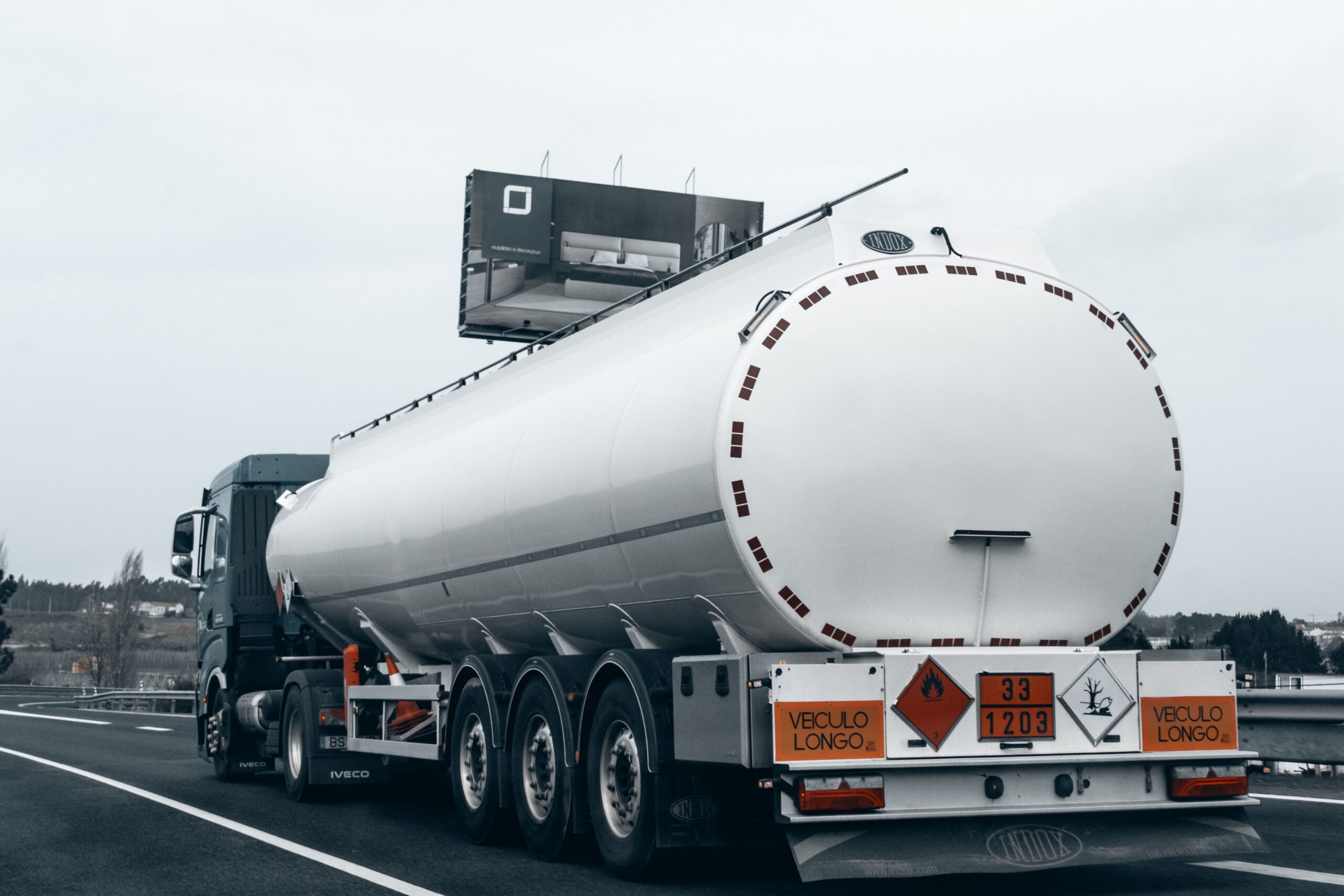
In response to the earlier surge in global oil prices driven by the Middle East conflict, the government implemented a series of austerity and relief measures. These included mandatory market closures by 9pm and a 50% cut in fuel allocations for official vehicles for a three-month period. Additionally, Prime Minister Shehbaz Sharif announced a “relief scheme” on September 13 for users of motorcycles, autos, and vehicles with engines up to 800cc, aimed at alleviating the financial burden on consumers. In April, targeted relief measures providing subsidised fuel were also introduced.
Fuel consumption patterns in Pakistan highlight the economic impact of these price changes. Petrol, primarily used in private transport, small vehicles, rickshaws, and two-wheelers, directly affects middle and lower-middle-income groups. Diesel, utilized in the heavy transport sector, power plants, and large generators, has broader implications for the general public. Petrol and HSD are the primary revenue earners for the sector, with monthly sales ranging between 700,000 and 800,000 tonnes, in stark contrast to the monthly demand for kerosene, which stands at only 10,000 tonnes.