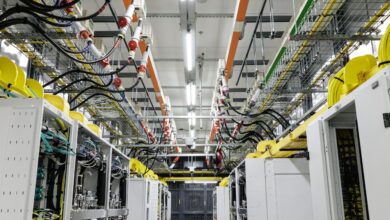
The initial disruption began on March 16 at approximately 10:30 am, lasting for about nine hours. The outage was triggered by a breakdown in the chiller system at a Singtel exchange, which caused mobile network equipment to overheat and shut down. IMDA found that a vendor failed to follow standard operating procedures by not reopening a manual valve controlling water flow after scheduled maintenance. Additionally, Singtel lacked active monitoring of the manual valves and water flow to the chiller system.
Following the initial failure, Singtel redirected 5G mobile traffic to another exchange. However, this secondary exchange had a disabled network packet optimiser and a software bug, preventing it from handling the increased traffic load. This resulted in intermittent connectivity issues for subscribers on March 18 and 19. The March 18 disruption was resolved within an hour, while issues on March 19 persisted into the evening. During the March 16 outage, 4G services were restored by 1:30 pm, but full 5G services were not restored until approximately 8:00 pm.
Singtel’s CEO, Ng Tian Chong, stated that the company accepted the ruling and the penalty. “We deeply regret the disruption and the inconvenience caused to our customers,” he said. In response to the outage, the telco offered goodwill rebates of S$5 to S$10 to affected customers. The March outages disrupted essential services, including online payments, ride-hailing, and food delivery.
This penalty follows a similar S$1 million fine imposed in December 2025 for a fixed voice service outage in October 2024 that affected 500,000 users. In April 2026, Minister for Digital Development and Information Josephine Teo told Parliament that rules governing telco service resilience are being reviewed to ensure they remain effective. Under current regulations, telcos must resolve service incidents within one hour and maintain more than 99 per cent nationwide outdoor mobile service coverage.