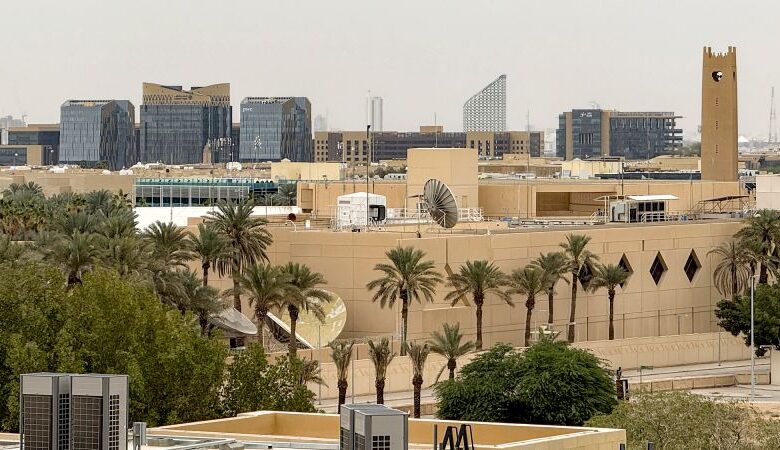
This reduction in the American diplomatic footprint in Riyadh is not an isolated precaution but part of a broader regional adjustment. A source told CNN that other U.S. diplomatic posts in the region are also modifying their staffing levels in response to the Houthi threat. “This is about the Houthis,” a State Department official stated, clarifying that the primary driver of these personnel changes is the specific threat posed by the Iran-aligned rebel group rather than general regional instability.
The urgency of the withdrawal is underscored by a series of deadly incidents in recent weeks targeting the kingdom’s most vital assets. The Houthi attacks have focused on King Khalid International Airport in Riyadh, Saudi military facilities, oil infrastructure, and maritime traffic. The economic and logistical implications of these strikes are becoming tangible, with the State Department issuing a security alert on Wednesday urging U.S. citizens to be aware of potential attacks on airports and widespread travel disruptions. The alert further mandated that U.S. government employees require special authorization from the Chief of Mission to use any airport in Saudi Arabia, a significant restriction on mobility following recent missile and Unmanned Aerial Vehicle (UAV) attacks.

On Wednesday alone, the scale of the threat was demonstrated through multiple intercepts and strikes. Saudi Arabia reported intercepting at least seven drones, one of which targeted the Shaybah oil field in the kingdom’s Eastern Province. That specific attack resulted in the deaths of two expatriate workers and injuries to two others, highlighting the direct human cost of threats to energy infrastructure. Later that evening, the King Fahd International Airport in Dammam, located in the same eastern region, came under attack. According to Saudi Arabia’s Civil Aviation Authority, at least one person was killed and eight others were injured, with the airport sustaining damage that is currently being assessed. These incidents illustrate how the conflict is moving beyond military targets to impact civilian travel hubs and the workforce supporting the oil sector.
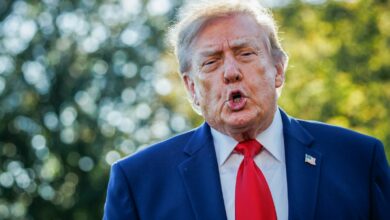
As the attacks intensify, Saudi-backed forces aligned with Yemen’s internationally recognized government have expanded their operations against Houthi positions across multiple frontlines, with Saudi air power providing continued military cover. In response to the escalating pressure, the United States has stepped up its support for the kingdom, primarily by boosting intelligence and targeting capabilities. However, a distinct gap remains between defensive support and offensive engagement. While Saudi Arabia has requested more offensive support from Washington, President Donald Trump has so far decided against striking the Houthis directly. Earlier this month, the President described the Houthi attacks as “not acceptable” and stated that the U.S. “will look at” whether to join the Saudis in military action, a noncommittal stance that leaves the immediate future of U.S. involvement uncertain.
The diplomatic and military situation is being complicated by the entry of other international allies into the defensive perimeter. On Tuesday, the United Kingdom announced it would deploy fighter jets to defend Saudi Arabia against Houthi attacks. Egypt has also pledged “all necessary and possible forms of support” in recent days. This multinational response signals that the security of Saudi Arabia’s oil infrastructure and airspace is now a matter of broader international concern, not just a bilateral issue between Riyadh and Washington.
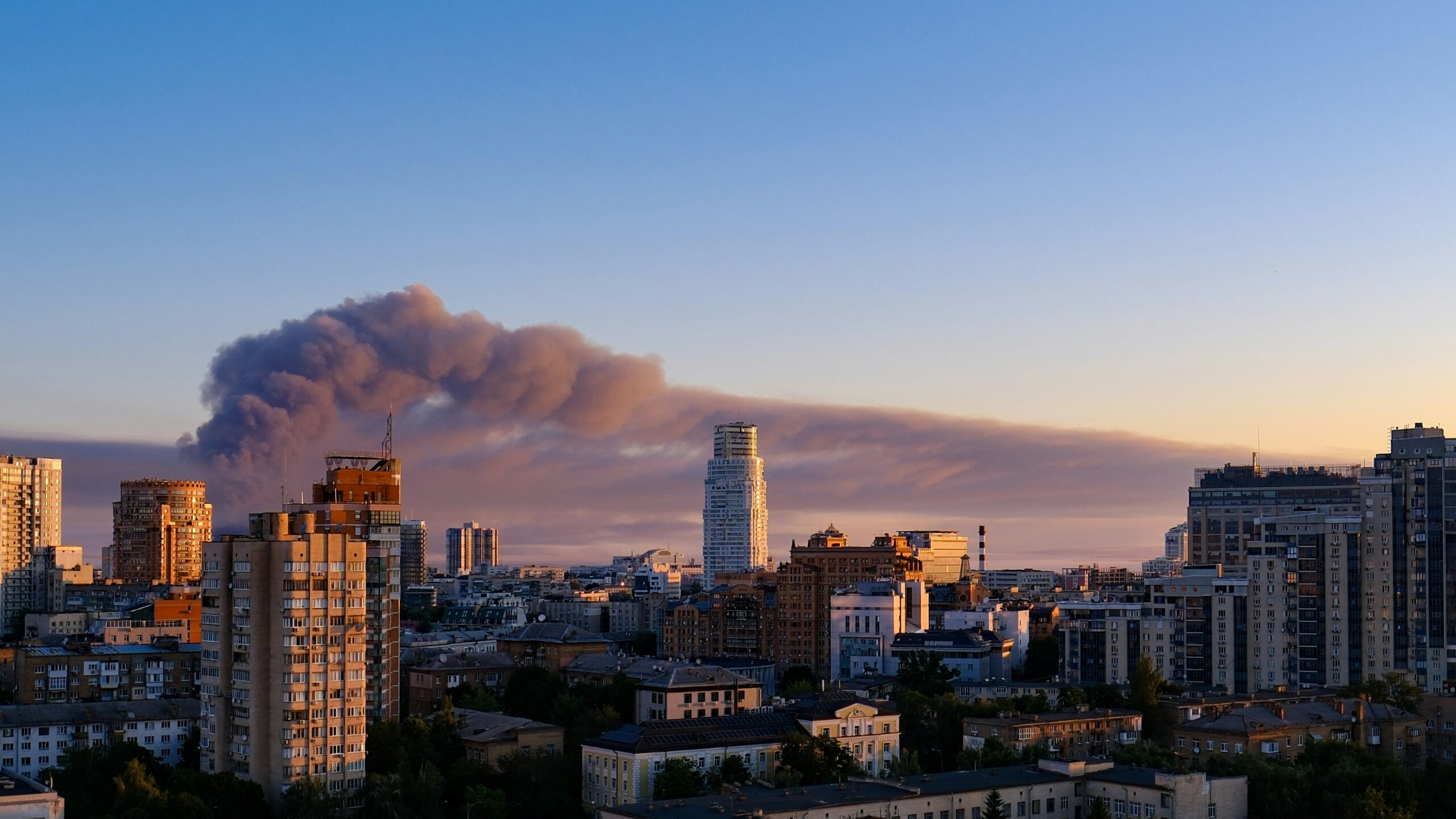
The economic ripple effects of these security measures are already visible in the operational constraints placed on both government personnel and private sector workers. The restriction on airport use for U.S. government employees mirrors the travel disruptions faced by the general public and commercial entities operating in the Kingdom. With key airports like King Khalid and King Fahd experiencing damage and heightened security protocols, the logistics of moving goods and personnel within the region face growing friction. The death of expatriate workers in the Shaybah oil field attack serves as a stark reminder of the risks associated with operating in these zones, potentially influencing labor decisions and insurance costs in the energy sector.
For now, the focus remains on the immediate threat of missile and drone strikes. The U.S. State Department’s order to depart is a clear indicator that the risk assessment has crossed a threshold where standard diplomatic operations are no longer considered safe for non-essential personnel. As Saudi Arabia continues to intercept drones and allies deploy additional air power, the next critical development will be whether the U.S. moves from intelligence support to direct offensive action, a decision that could significantly alter the trajectory of the conflict and the stability of the region’s energy markets.