The Philippine Air Force confirmed the incident on Saturday, releasing a statement that acknowledged the deaths and expressed condolences to the bereaved families. Colonel Alvin Capinguian, the PAF spokesman, stated that both aircraft went down inside the base boundaries, ensuring that no other casualties were reported. The restricted nature of the crash site, contained within the airbase perimeter, limited the immediate geographic footprint of the disaster, but the human cost within the aviation community remains severe.
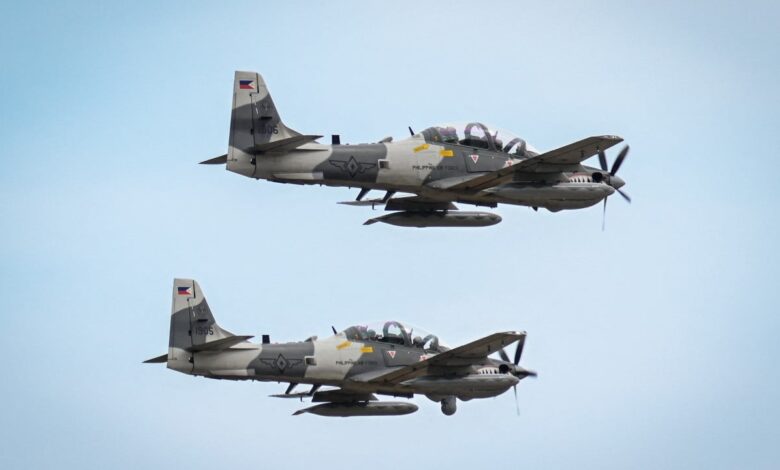
The SF-260 is a light aircraft utilized by the PAF primarily for military training purposes. These platforms serve as foundational tools for developing piloting skills, maneuvering precision, and tactical awareness among junior aviators. While the specific technical specifications or the exact number of seats per aircraft were not detailed in the official statement, the confirmation that four pilots perished implies that both aircraft were crewed, likely with one pilot and one student or instructor in each, or potentially two pilots per aircraft depending on the specific mission profile of the training flight. The aircraft are designed for aerobatic and tactical training, requiring high levels of coordination and spatial awareness from the crews involved.
The immediate operational response to the tragedy has been the precautionary grounding of the entire SF-260 fleet. The Philippine Air Force has suspended all flights of this specific type of aircraft while an investigation is underway to determine the root cause of the collision. This decision reflects a standard aviation safety protocol: when a mid-air collision occurs during basic training, the entire airframe type is held to prevent potential recurrence until the mechanical, procedural, or environmental factors are fully understood. The grounding effectively halts a significant portion of the PAF’s basic pilot training pipeline, introducing a logistical delay in the qualification of new aviators.
Investigative efforts are currently focused on establishing the sequence of events leading to the impact. As of the latest reports, no specific cause has been identified. The PAF has not disclosed whether the collision resulted from mechanical failure, pilot error, visual misjudgment, or other external factors. The aircraft were conducting a training flight, which typically involves coordinated maneuvers, formation flying, or combat simulation exercises where proximity between aircraft is intentional. However, the precise nature of the maneuvers at the time of the crash remains undisclosed. The air force has appealed to the public to respect the privacy of the families during this period of mourning, and further details regarding the identities of the fallen aviators have not been released to the public at this stage.
The incident underscores the inherent risks associated with military aviation, even during non-combat, low-intensity training phases. Mid-air collisions, while rare in modern aviation due to advanced traffic management and communication systems, remain a persistent hazard in military training environments where aircraft operate in close proximity at high speeds and often in visual flight rules conditions. The safety of the fleet is now under scrutiny, and the investigation will likely examine flight data recorders, witness accounts, and maintenance logs to reconstruct the final moments of the flight.
For the Philippine Air Force, this loss represents more than a statistical decrease in personnel; it is a disruption to the force’s readiness and the continuity of its training programs. The temporary grounding of the SF-260s will necessitate the rescheduling of training sorties, potentially affecting the deployment timelines of new pilot cohorts. The PAF has stated that it is coordinating with the families of the deceased to provide necessary assistance, emphasizing the institution’s support for those affected by the tragedy.
As the investigation progresses, attention will turn to whether additional safety measures are required for the SF-260 fleet or for the broader training doctrine of the PAF. The return of these aircraft to service will depend on the findings of the inquiry, which aims to establish the circumstances surrounding the crash and ensure that similar incidents do not occur in the future. Until then, the SF-260s remain grounded at Fernando Air Base and other PAF installations, a silent reminder of the four aviators who lost their lives in the line of duty.