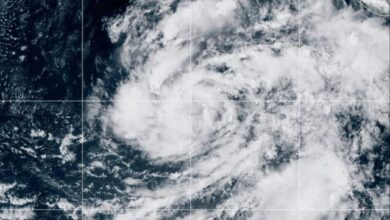
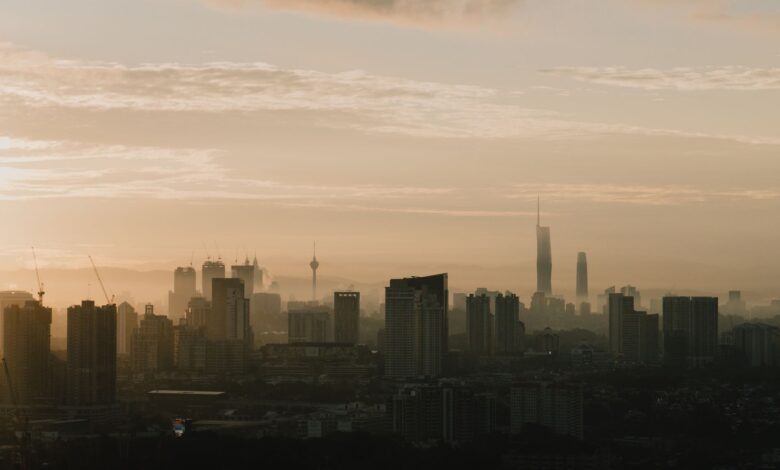
The move comes as smoke from fires in Indonesia continues to degrade air quality in Singapore, a recurring environmental and public health challenge for the island nation. While the fires themselves are located across the Strait of Malacca, Singapore authorities have determined that the investigation must extend to entities registered within its own jurisdiction. By targeting ten local companies, the government is signaling an intent to examine whether domestic businesses may be linked to the deforestation or burning activities abroad, either through direct ownership, supply chain involvement, or other forms of facilitation.
The specific allegations against these ten firms were not detailed in the available reporting. However, the inclusion of locally registered entities in a haze investigation is significant. It suggests that authorities are looking beyond immediate regional diplomatic channels to assess potential corporate responsibility or complicity within Singapore’s own economic fabric. This approach aligns with broader international efforts to hold corporations accountable for environmental impacts that cross national borders, even when the primary operational activity occurs elsewhere.
Transboundary haze remains a complex issue involving meteorological factors, agricultural practices, and industrial land use. While the fires in Indonesia are the direct physical cause of the smog, the financial and logistical support for such activities can sometimes be traced back to investors or traders in neighboring economies. Singapore’s decision to request information from these ten firms indicates a strategic effort to map these potential connections. The scope of the inquiry—whether it focuses on direct investment, commodity trading, or other business links—remains unclear from the current information, but the action itself underscores the seriousness with which Singapore treats air quality issues that threaten public health and economic stability.
The investigation highlights the jurisdictional challenges in addressing transboundary environmental harm. National laws typically govern domestic conduct, but when that conduct has extraterritorial environmental consequences, regulators face difficult questions about reach and enforcement. By targeting local entities, Singapore is operating within its clear legal authority while attempting to address a regional crisis. The outcome of these information requests will determine whether the inquiry leads to further legal action, regulatory sanctions, or serves as a deterrent for future cross-border environmental negligence.
For now, the focus remains on gathering facts from the ten identified companies. The broader implications for corporate governance in the region and the potential for stricter due diligence requirements in industries linked to land use will depend on the findings of this expanded probe. The situation serves as a reminder of the interconnectedness of economic activities and environmental outcomes in Southeast Asia, where air quality is often a shared and vulnerable resource.