
The mechanism behind this price adjustment is detailed in the latest data from the Central Energy Fund (CEF), which covers the period up to October 28. Without the government’s intervention, the fuel market was showing significant under-recoveries. For the period in question, petrol 93 exhibited an under-recovery of approximately R1.23 per litre, while petrol 95 showed an under-recovery of R1.07 per litre. Diesel grades were similarly affected, with under-recoveries of approximately R1.44 per litre for the 0.05% sulphur grade and R1.35 per litre for the 0.005% sulphur grade. These figures indicate that, based on the standard pricing formula which reflects international fuel prices and shipping costs, pump prices should have risen significantly. However, the government’s planned levy cuts are designed to offset these increases, resulting in a net decrease for consumers.
Finance Minister Enoch Godongwana, in his Medium-Term Budget Policy Statement delivered on October 21, outlined the specifics of this relief. The government decided to temporarily reduce the General Fuel Levy by R1.50 per litre for petrol and R3 per litre for diesel, effective from November 4 until December 1. Following this initial period, the reductions will taper, with the levy dropping to R1.50 for diesel and R1 for petrol until January 5, 2027. This phased approach is intended to provide immediate support to households and businesses without permanently depleting state revenue. The total value of this support is estimated at R10 billion, funded by transferring money from the Central Energy Fund back to the National Revenue Fund.
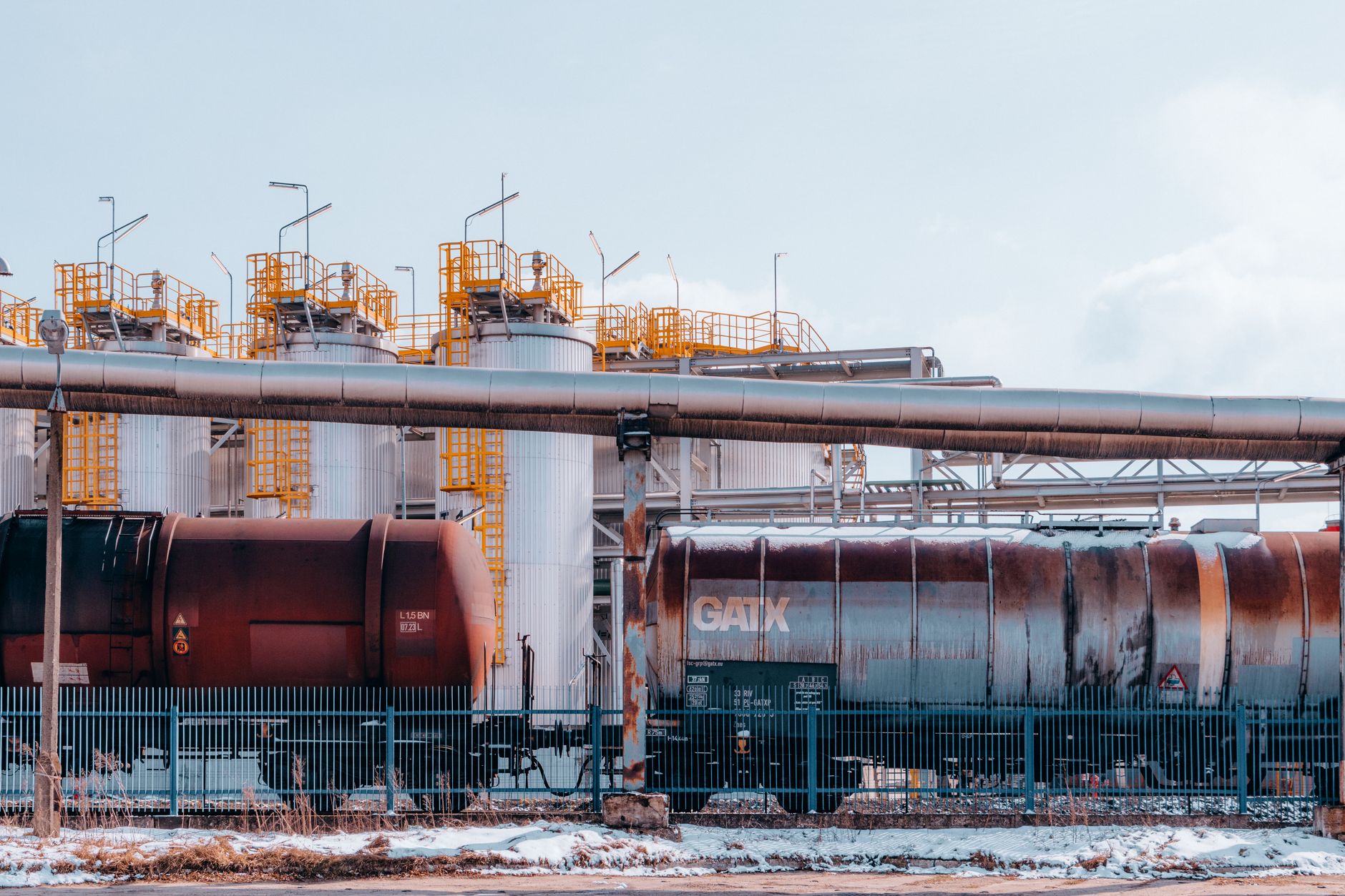
The impact on the pump is projected to be substantial. Based on the latest available projections, petrol 93 could decrease by approximately 23 cents per litre, while petrol 95 is expected to drop by around 38 cents. Some sources indicate slightly higher decreases, with petrol 93 potentially falling by 33 cents and petrol 95 by 49 cents. Diesel prices are projected to see the most significant relief, with the 0.05% sulphur grade expected to fall by approximately R1.57 to R1.58 per litre, and the 0.005% sulphur grade dropping by R1.65 to R1.68 per litre. These figures, while indicative and subject to the official announcement by the Department of Mineral and Petroleum Resources (DMPR) around Wednesday, November 4, signal a clear downward trend in consumer costs for the month.
However, the energy sector and economic commentators caution that this relief is temporary and does not address the underlying structural drivers of high fuel costs. The Automobile Association (AA) has backed the Finance Minister’s broader proposal to eventually phase out the general fuel and RAF levies entirely, describing the move as “long overdue.” AA CEO Bobby Ramagwede highlighted that the two levies currently add R6.41 per litre to diesel and R6.54 per litre to petrol. For a typical motorist filling a 50-litre tank, this translates to approximately R329 in levies alone. The AA argues that while the temporary cuts help, they do not solve the core issue: the basic fuel price, which accounts for approximately 58% of the total cost at current elevated levels, remains heavily influenced by international markets and the exchange rate.
The tension between fiscal responsibility and consumer relief is at the heart of the current debate. Phasing out the general fuel levy entirely would leave an estimated R80 billion hole in government revenue. This presents a significant challenge for the National Treasury, which would need to find alternative funding sources or implement spending reductions. The AA argues that the root problem is not necessarily revenue collection, but rather expenditure management and budget allocation. Ramagwede called for a transparent public review of the basic fuel price formula to determine if it remains appropriate for South Africa’s needs, noting that the Department of Mineral and Petroleum Resources holds the authority to adjust this formula.
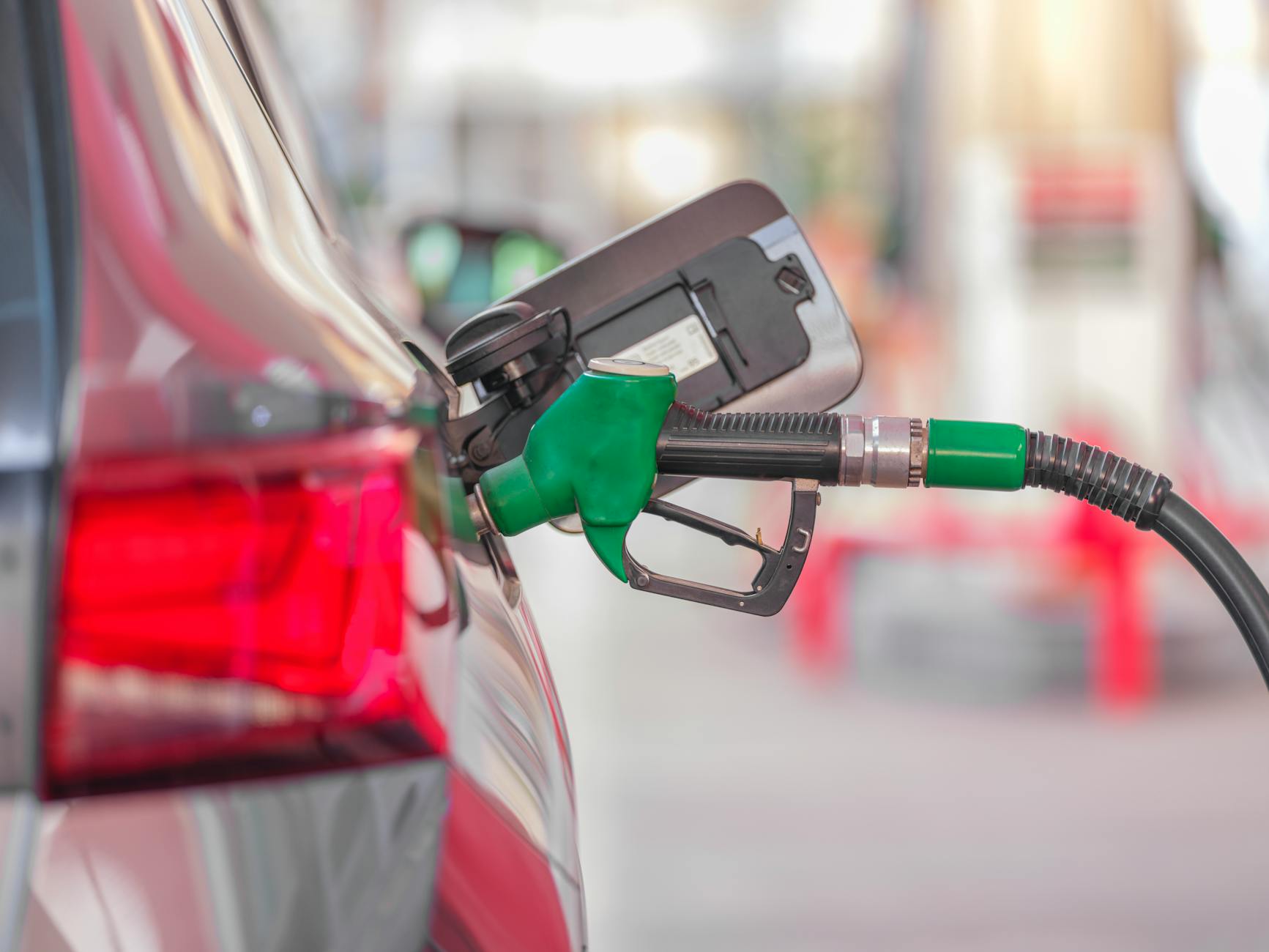
Furthermore, the reliance on the Road Accident Fund has come under scrutiny. The AA has questioned whether compulsory third-party insurance could serve as a more efficient alternative to the central compensation fund, suggesting that improved road-user behavior, infrastructure maintenance, and vehicle safety standards could reduce the frequency and cost of accidents. However, any transition away from the RAF would require careful consideration of insurance affordability and the protection of accident victims.
For the average South African household, the November price drop offers a necessary but limited buffer. Economists have warned that lower fuel prices may not translate into a significant improvement in overall household finances, as other pressures such as borrowing costs, inflation, and slow economic growth persist. The temporary levy reduction is viewed as a short-term measure to limit the impact of rising fuel costs on transport expenses and the broader price of goods and services. As the official prices are announced next week, the focus will shift from the immediate relief at the pump to the longer-term structural reforms required to stabilize the country’s energy costs in a volatile global market.
