
The sudden downpour triggered immediate infrastructure issues. As of 1:30 p.m., NV Energy reported that at least 1,620 customers were without power, primarily near Eastern Avenue and Bonanza Road. Air travel was also disrupted; the Federal Aviation Administration issued a ground stop at Harry Reid International Airport until 2 p.m. KTNV reported that staffing issues combined with the storms to cause average departure delays of 15 minutes and arrival delays of 23 minutes. A broader flood advisory listed additional impacted areas, including Aliante, Green Valley, Spring Valley, and Allegiant Stadium, with separate flash flood warnings remaining in effect for much of that footprint until 4 p.m.
While KLAS 8 News Now noted that only minor flooding was expected as the rain pushed through, the National Weather Service warned of life-threatening flash flooding conditions. Doppler radar confirmed heavy rain moving through the valley during the peak of the event. The storm’s intensity was sufficient to trigger warnings despite the relatively modest total rainfall, a characteristic feature of the region’s geography.
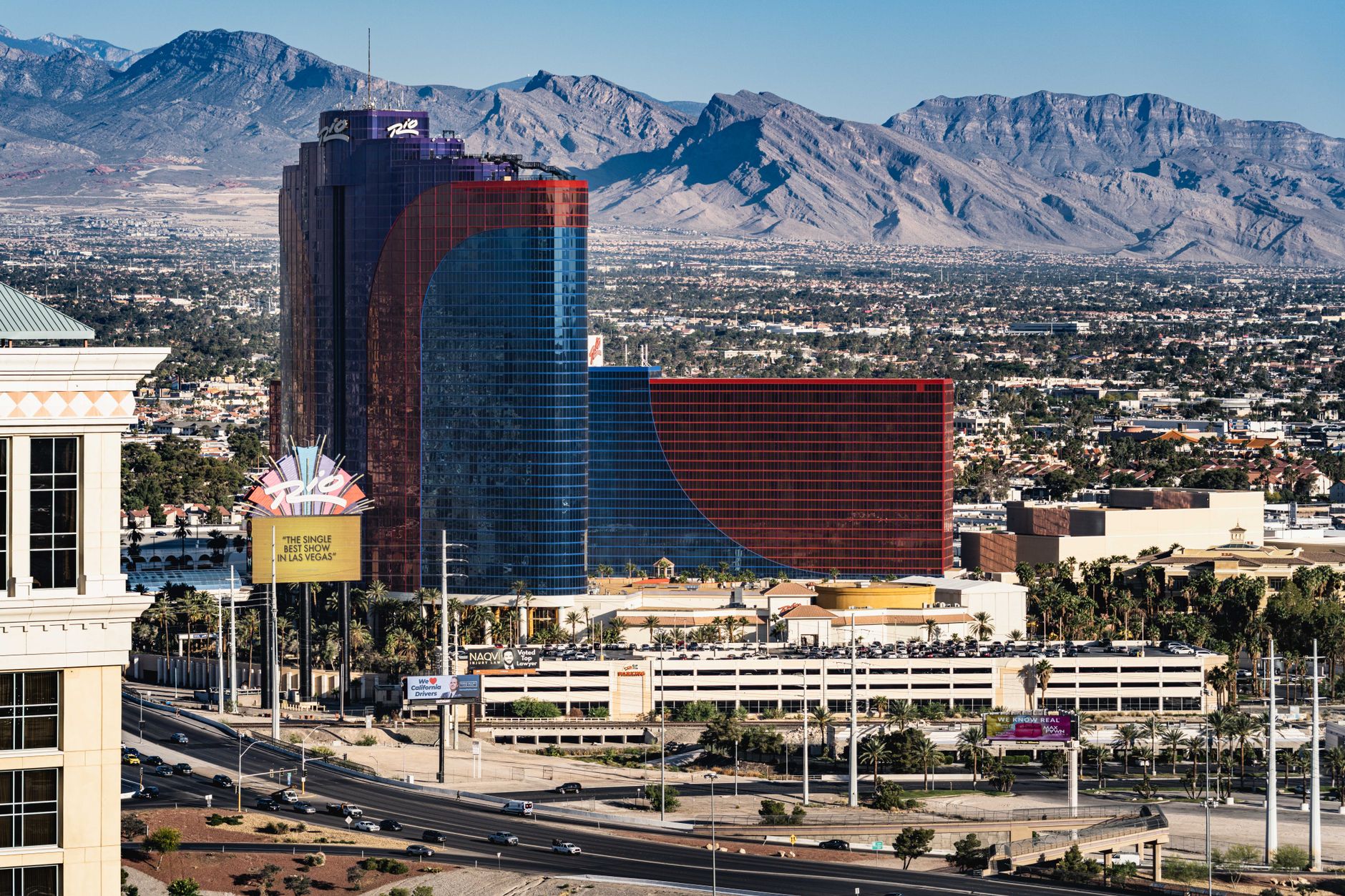
The Clark County Regional Flood Control District notes that the Las Vegas Valley is particularly prone to flash flooding due to its geologic and orographic makeup. Their technical reports indicate that generally only 0.50 to 1.0 inch of rain in a short window is sufficient to trigger flooding, thresholds that Friday’s storm exceeded in multiple locations. The district also warns that continued population growth will place more residents in the path of future flooding events.
The region has a history of severe flood impacts. On July 8, 1999, torrential rains dropped 1.5 to 3.0 inches in 60 to 90 minutes, resulting in two deaths, over $20 million in property damage, and more than 200 swift-water rescues. More recent incidents include a flash flood near The LINQ Promenade on Oct. 11 and an August storm that flooded Carey Avenue and Toiyabe Street after debris clogged a roadside grate, pushing sewage into homes. Clark County Public Works states that engineers are currently working on revisions to address ponding and alleviate flooding issues in those areas.

Authorities advised drivers to avoid flooded roadways, urging the public to “turn around, not drown.” No further major weather events are currently forecast for the immediate area, but monitoring continues given the saturated ground conditions.
