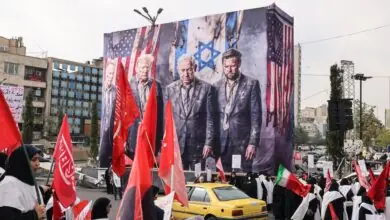
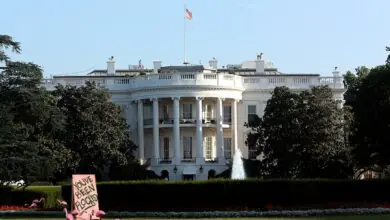
President Trump, who had previously stated he would not launch attacks before the midterms, has now indicated that if Iran does not accept US conditions, he is prepared to act. However, the path to this moment was fraught with internal debate. Prior to the signing of the MoU, Trump was reportedly frustrated by Iran’s use of the Strait of Hormuz as a geopolitical lever. According to source material, the President convened senior military and political advisers, including Vice President JD Vance, Secretary of State Steve Witkoff, Jared Kushner, and Pentagon officials Admiral Brad Cooper and General Dan Caine, to address the crisis. The military presented two primary options: continuing heavy economic pressure and a blockade, estimated to yield results within a year, or launching a broader war involving ground forces, which could produce results in four to six weeks but at the cost of American lives. Neither option appealed to the President, who, influenced by domestic pressures ahead of the elections and concerns over fuel prices, opted for the diplomatic route that led to the MoU.
The collapse of that agreement has returned the administration to the brink of force, but the political landscape has shifted. Analysts warn that the binary view of a divided Washington may be misleading. Alan Eyre, a US diplomat and Iran expert, points to a “bipartisan consensus” in Congress, noting that both Republicans and Democrats share a significant common ground in opposing the political structure of the Islamic Republic and supporting policies aimed at exerting pressure on Tehran. “Both major US parties share significant common ground in their opposition to the political structure of the Islamic Republic,” Eyre told DW. This consensus suggests that even a resounding Democratic victory in the midterms may not provide the leverage many expect to halt a potential US military response.
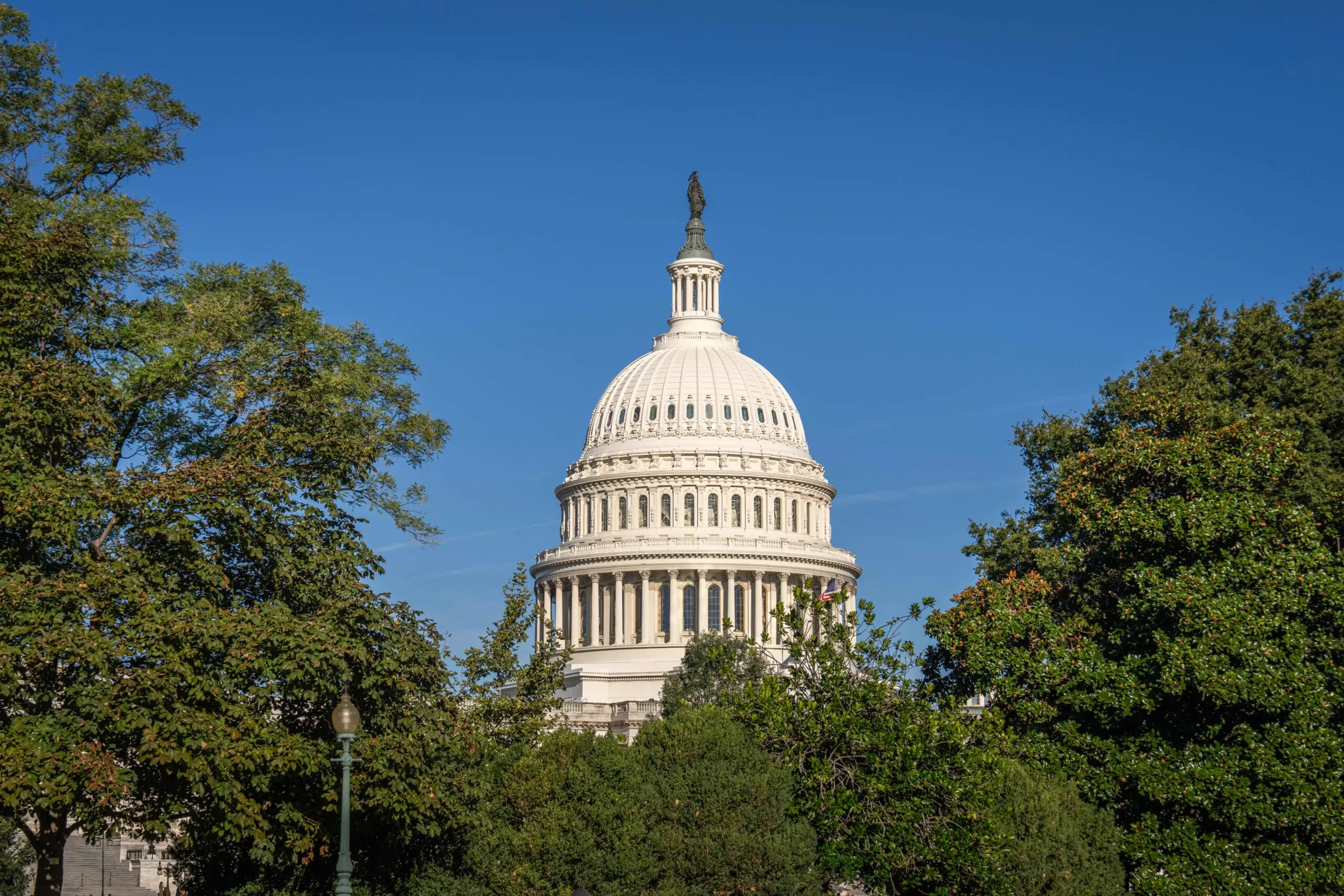
Former National Security Advisor John Bolton, who is now a critic of the administration’s approach, argues that the political constraints on the President are limited. While a Democratic majority in the House or Senate could control defense budgets and impose restrictions on the use of financial resources, the President retains the power to veto such legislation. Overriding a veto would require a two-thirds majority in both houses, a threshold that is difficult to achieve. “Even if Democrats hold a majority in both houses, their influence will be limited to the legislative and political tools of Congress,” Bolton noted. He further suggested that Trump may decide on his next steps only after the election, once acute political pressure subsides, potentially targeting specific facilities such as the alleged new nuclear site at Kuh-e Kolang near Natanz.
The strategic calculations in Tehran appear to be based on a miscalculation, according to Shahin Modarres, an international security analyst at ITSS Verona. Modarres argues that the Iranian regime assumes a Democratic Congress can easily restrain the White House. By dragging out peace talks, pressuring the Strait of Hormuz, and allowing fuel prices to weigh on US voters, Tehran aimed to deny Trump a decisive win before November. However, this strategy may backfire in the post-election period. With the immediate electoral pressure removed, the Trump administration may feel less compelled to delay its moves. “This approach also ignores the fact that both US parties largely agree on not letting Iranian develop nuclear weapons,” Modarres said.
Despite the diplomatic efforts mediated by Qatar and Pakistan in Doha, and indirect communications via Muscat, the fundamental demands remain unmet. The US goal, as consistently emphasized by President Trump, is to deny Iran the capability of acquiring nuclear weapons. Trump has claimed his administration has already succeeded in this regard, stating that only “one or two targets” remain in Iran and that they could be settled quickly. In contrast, Bolton and other critics argue that the Islamic Republic will continue to pursue nuclear weapons capability for as long as it remains in power. Bolton views “regime change” as the only sustainable solution, a stance supported by pro-war Republicans like Senator Ted Cruz, who has urged the arming of Iranian protesters to overthrow the regime.

The disagreement within the US establishment is not merely about the use of force, but about the ultimate objective. Eyre emphasizes the difficulty of using external tools to bring about sustainable change. He argues that even with a US consensus opposing the Islamic Republic, American policy alone cannot overcome the structural obstacles to political change inside Iran. “Any fundamental transformation must emerge from within Iranian society itself,” Eyre stated. He also criticized the failure of “Washington’s public diplomacy to convey a clear, coherent, and authentic message to Iranian society,” noting that official US positions are often incompletely reflected in the media outlets relied upon by Iranian citizens. This disconnect leaves Iran feeling that the US takes certain positions rhetorically but behaves differently in practice.
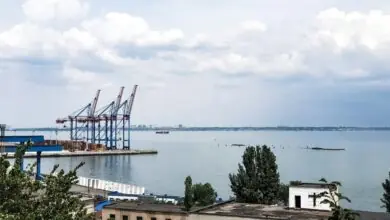
For now, the Strait of Hormuz remains the critical chokepoint. Iran’s calculated use of the strait as a weapon has kept the issue at the forefront of global energy markets and US domestic politics. The next policy decision from the White House will likely hinge on whether Trump accepts the military option of a targeted strike to declare victory and pull back, or if he returns to the negotiating table. Given the lessons of the past few months, many observers believe the negotiating table offers little chance of success unless Iran is prepared to dismantle its remaining nuclear, ballistic-missile, and drone programs before talks even begin. Until that condition is met, the cycle of pressure, threat, and temporary diplomatic pauses may continue, with the global economy and regional stability held in the balance of a decision that Trump himself admits he has not yet finalized.