

The price movement is directly linked to geopolitical shifts following the U.S. midterm elections. The resounding victory of the Democratic Party raised market hopes for a diplomatic resolution to the ongoing Iran war. Analysts suggest that the political outcome, coupled with public admission by Vice President JD Vance that the conflict contributed to the Republican loss, may incentivize President Donald Trump to pursue negotiation rather than further escalation. This shift in perceived risk has not only affected gas but also reflected in broader oil price optimism.
The context for this volatility is a severely strained European supply chain. Europe remains in a vulnerable position ahead of the winter peak, primarily due to the near-halt of liquefied natural gas (LNG) flows from Qatar. QatarEnergy has extended its force majeure declaration on deliveries until at least the end of December 2026, effectively removing a key supply pillar from the global market. This disruption has pushed the TTF price above the 100-euro mark for the first time since 2022, when the previous gas crisis emerged following Russia’s invasion of Ukraine and subsequent cutoff of pipeline supplies to most European customers.
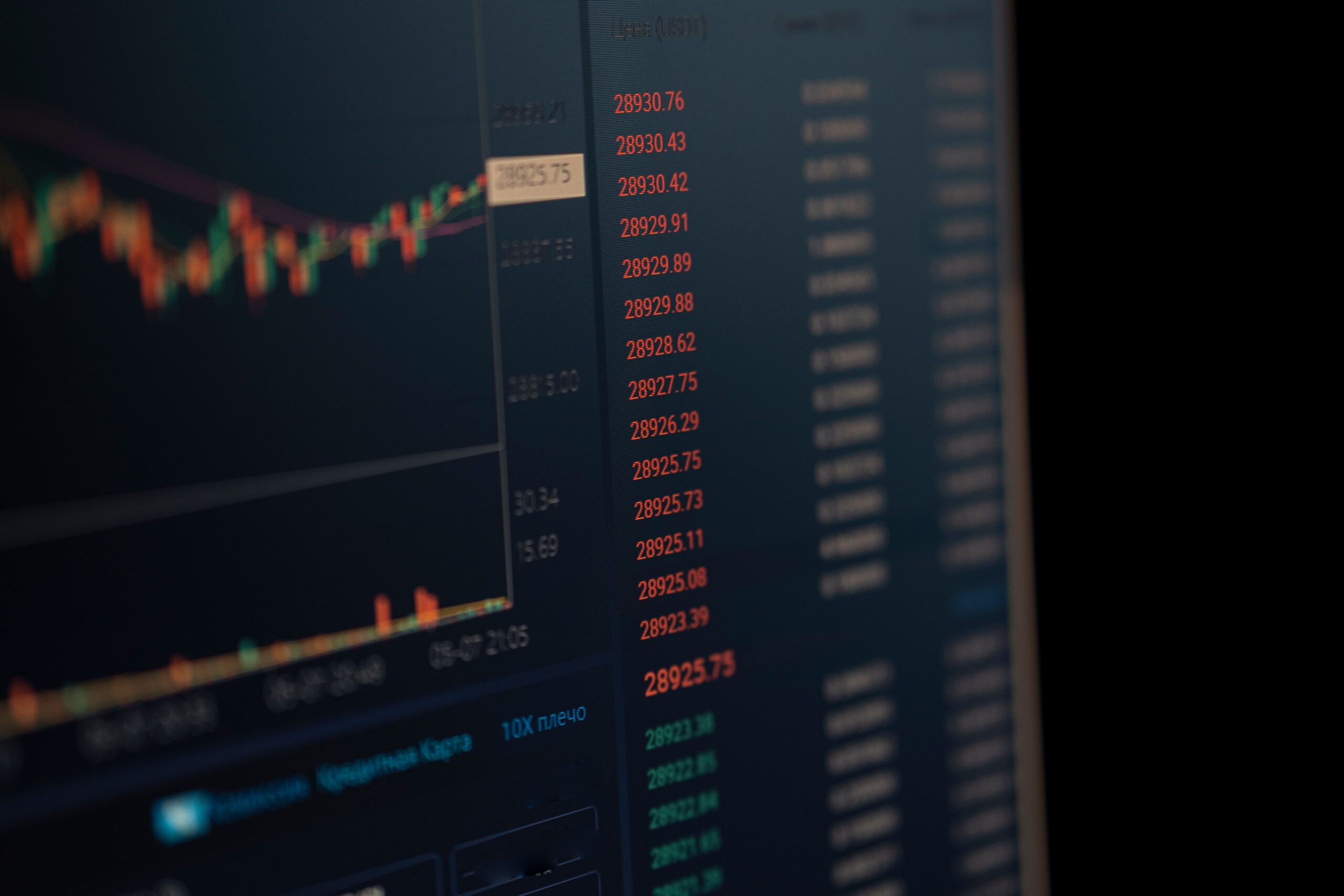
Market participants are now weighing the likelihood of a return to normalcy in the Strait of Hormuz against the immediate reality of limited storage and supply. Warren Patterson and Ewa Manthey, commodities analysts at ING, noted in a Thursday report that the region’s energy security through the coming months is “largely dependent on how much of a recovery we see in Persian Gulf LNG flows this winter, if any.” They emphasized that given the tighter market conditions, weather patterns will be a more critical variable than usual for determining demand and price stability.
While the recent price drop offers temporary relief, the structural risks remain high. The distinction between a temporary geopolitical correction and a structural supply recovery is crucial. Until the force majeure on Qatari LNG is lifted and flows through the Strait of Hormuz are fully restored, Europe’s gas market will remain sensitive to headlines regarding the Iran conflict. The current price of $96.87 per MWh, while lower than the recent peak, remains historically elevated compared to pre-crisis baselines, indicating that the underlying supply deficit has not been resolved, merely priced with slightly less risk premium.
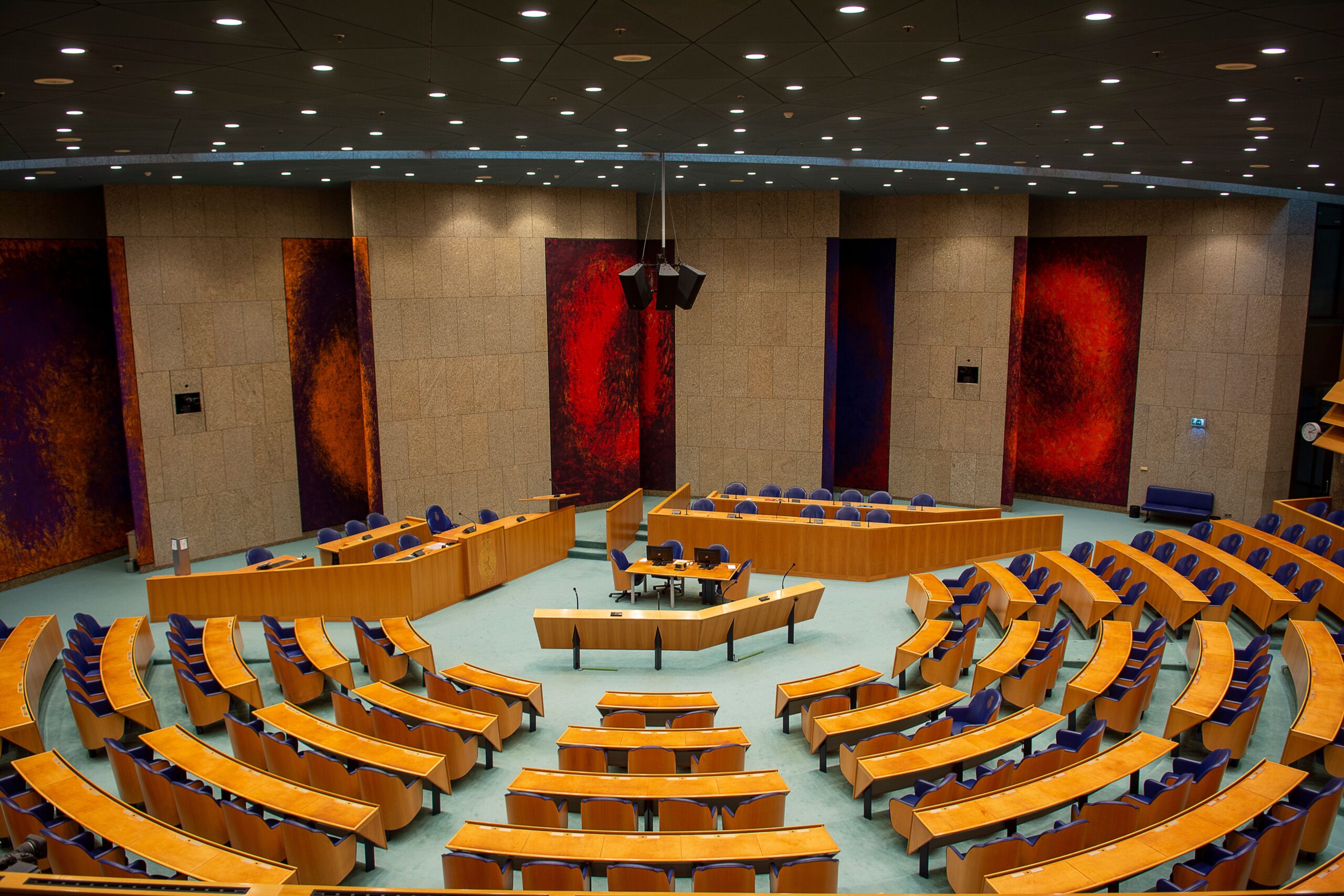
Investors and policymakers are closely monitoring the next diplomatic signals from Washington and Tehran. Any confirmation of negotiation talks could further depress gas prices, while renewed military action could send the TTF benchmark back toward or beyond its recent highs. The interplay between U.S. domestic politics and global energy security exemplifies the intricate linkages in the modern energy landscape, where election outcomes can ripple through commodity markets within hours.


One Comment