In a notice issued on Friday, the company acknowledged widespread service interruptions and confirmed that efforts are underway to restore electricity to affected feeders. Ikeja Electric stated it is working with relevant stakeholders to resolve the situation as quickly as possible. However, this latest admission is part of a broader pattern of operational instability. An analysis of the company’s public communications conducted by Financial Intelligence Journal (FIJ) indicates that Ikeja Electric issued 89 public notices between 2022 and 2026 specifically concerning power outages and supply disruptions. This volume of official communications suggests that supply failures are not isolated incidents but a recurring structural feature of the network.
The core of the current customer backlash centers on the inconsistency between expected and actual service delivery, particularly among premium tariff customers. Under Nigeria’s service-based tariff structure, Band A customers are entitled to a minimum of 20 hours of electricity supply daily. Yet, many of these users report receiving supply levels comparable to lower tariff bands. This discrepancy raises serious questions regarding regulatory compliance and accountability within the sector. The mismatch between the tariffs paid and the power received has significant implications for sector credibility, as consumers increasingly view the premium pricing as unjustified given the unreliable service.
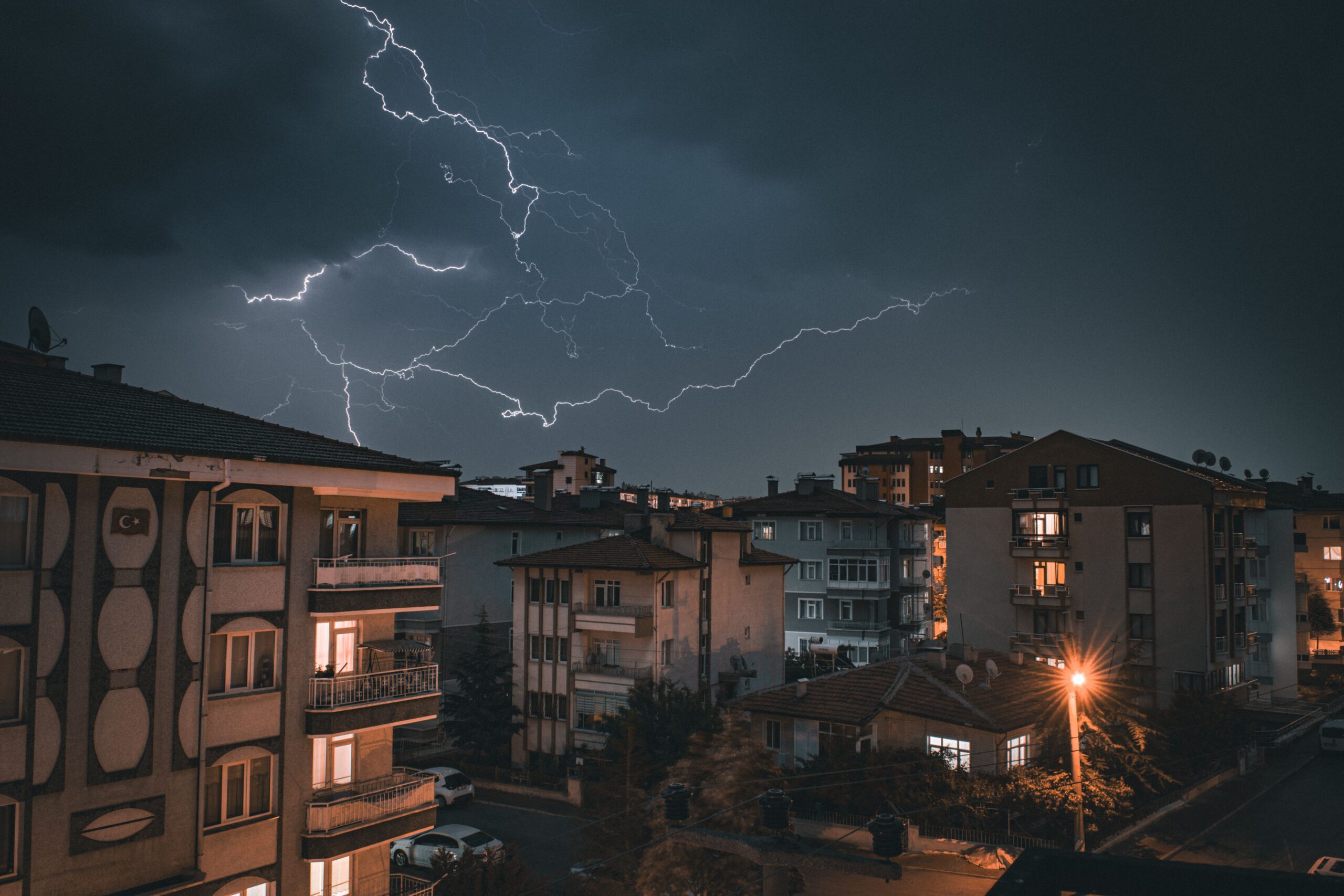
The economic consequences of this unreliability are severe for the private sector. Companies in Lagos, relying heavily on self-generation through diesel and petrol generators, face significantly raised operating expenses. For small and medium-sized enterprises (SMEs), erratic electricity supply disrupts production cycles, reduces revenue, and limits expansion capacity. The broader macroeconomic impact includes reduced productivity and upward pressure on inflation through higher energy costs. While end-users hold distribution companies accountable for service delivery, the root causes often lie upstream. Previous disclosures indicate that power shortages are frequently linked to national grid constraints, including limited generation capacity and gas supply shortages to thermal plants. These upstream challenges constrain the volume of electricity available for distribution, leading to load shedding and uneven supply across networks.
Compounding the physical supply issues are administrative and technological failures. Customers have reported months-long waiting periods for prepaid meter installations, a gap that contributes to billing disputes and weakens transparency between providers and consumers. Furthermore, the reliability of the utility’s digital infrastructure has come under scrutiny. In October 2024, Ikeja Electric experienced a network failure that prevented customers from recharging their meters for days, even when electricity was physically available. At the time, Kingsley Okotie, the Head of Corporate Communications, attributed the issue to a nationwide outage affecting multiple sectors, including banks. The company’s Instagram notice at the time cited “severe infrastructure issues” with internet service providers. This incident, combined with the current outages, suggests that the utility’s challenges extend beyond mere power generation to include the digital and administrative systems required to manage modern energy distribution.
The persistence of these issues underscores structural inefficiencies within Nigeria’s electricity value chain. While short-term restoration efforts may stabilize supply temporarily, long-term improvements will depend on coordinated reforms across generation, transmission, and distribution segments. For policymakers and investors, the episode reinforces the urgency of addressing infrastructure deficiencies that continue to undermine the competitiveness of the Nigerian economy. The gap between promised supply and actual delivery remains a critical barrier to industrial growth and consumer welfare in Lagos and beyond.
The next critical step involves the implementation of tangible reforms in the generation and transmission sectors to alleviate the upstream constraints that limit distribution capacity. Until these structural bottlenecks are addressed, the frequency of public notices and customer complaints is likely to remain elevated, posing continued risks to economic productivity and regulatory stability.