
The October data includes substantial upward revisions to prior months, suggesting the labor market has been more robust than initially indicated. The BLS revised the job gain for August upward by 53,000, from 133,000 to 186,000, and the September figure was revised up by 31,000. Combined, these adjustments add 84,000 jobs to the total employment count for the last two months. Brian Jacobsen, Chief Economic Strategist at Annex Wealth Management, noted that the headline number “blew the consensus out of the water by 100,000,” while the back-month revisions added another 84,000, validating the Federal Reserve’s recent decision to upgrade its economic assessment from “solid” to “strong.”
This resilience in hiring comes despite a backdrop of significant economic headwinds, including double-digit taxes on imports and geopolitical conflicts involving Iran that have driven U.S. gasoline prices above $4 a gallon. The report emerges three days after voters handed a decisive defeat to President Donald Trump and the Republican Party in midterm elections, granting Democrats full control of the U.S. Congress. The election outcome was driven largely by voter frustration with the cost of living, yet the economic data suggests the underlying job market remains stable.

Contextualizing the October figure reveals a labor market that is solid but unspectacular. Prior to October, employers had averaged 68,000 monthly job additions in 2026. This represents a recovery from 2025, when monthly job creation averaged just 9,700, the weakest performance outside of a recession since 2002. However, current hiring levels remain well below the 166,000 average seen in 2023 and 2024, and are a fraction of the 491,000 monthly gains recorded during the post-pandemic hiring boom of 2021–2022.
Economists describe the current environment as “low-fire, low-hire,” where employers are reluctant to lay off existing staff but are hesitant to expand their workforces. This dynamic creates challenges for new entrants and those who have lost their jobs. Furthermore, the “break-even” point for job creation—the number of new jobs needed to keep unemployment from rising—has shifted significantly. According to the Yale University Budget Lab, this threshold has dropped from approximately 166,000 in late 2023 to just over 5,000 today. This reduction is attributed to baby boomer retirements and immigration crackdowns, which have fewer people entering the labor pool to compete for positions.
While employment numbers are strong, wage growth has not kept pace with inflation in real terms. Average hourly earnings rose by 3.1% year-over-year, a figure that would typically be considered respectable. However, because inflation has exceeded this rate, real wages have effectively declined. Jacobsen highlighted this disparity as the core of the current “affordability crisis,” noting that high oil prices are a primary driver of this pressure. He suggested that lower energy prices could alleviate inflationary pressures, potentially reducing the Federal Reserve’s need to hike rates and mitigating the risk of a slowdown in the artificial intelligence datacenter buildout, a key driver of recent GDP growth.
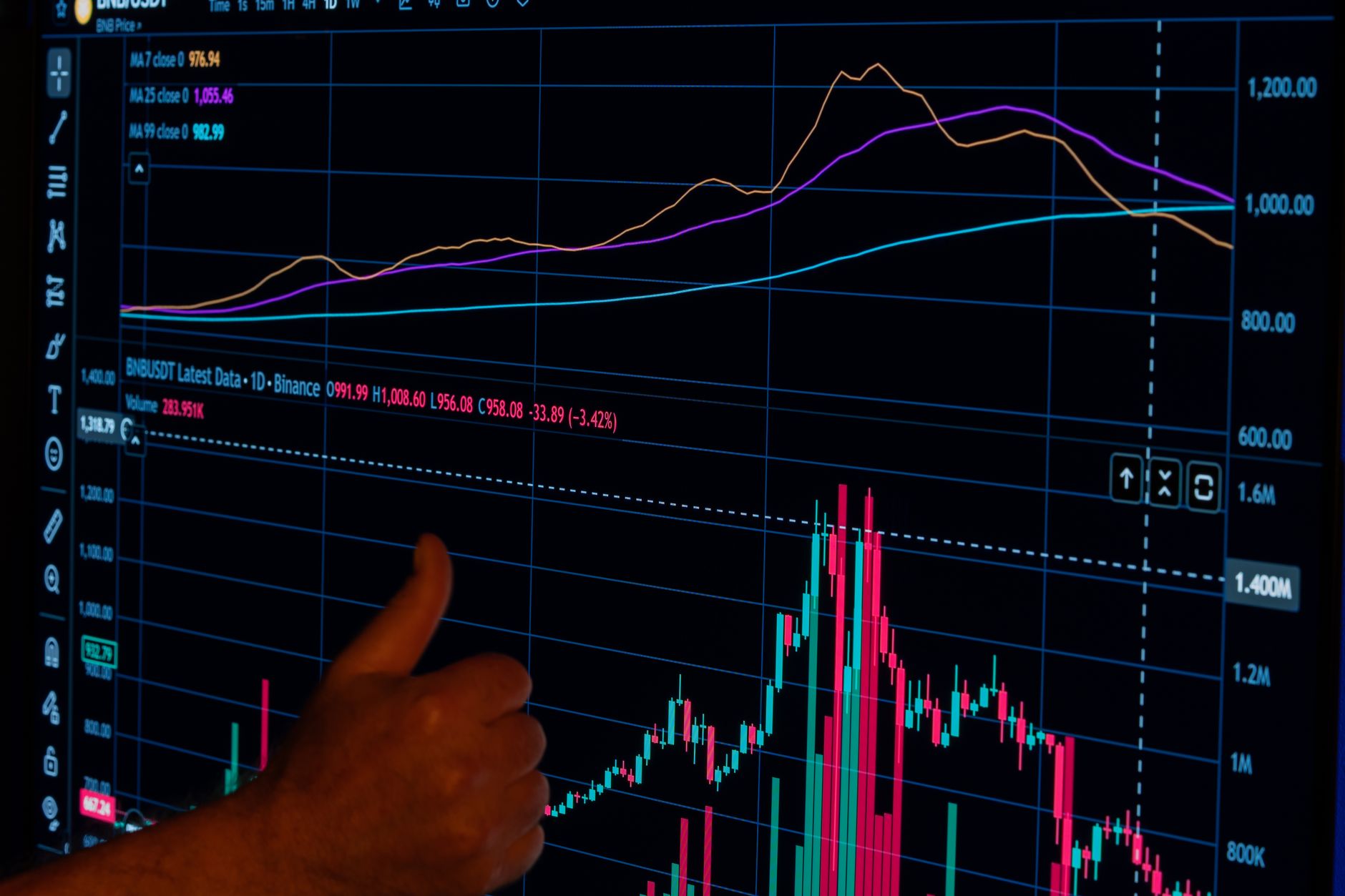
The broader economic picture is supported by Gross Domestic Product (GDP) growth of 3.4% annualized in the third quarter, fueled by strong consumer spending and investment in AI. The strong jobs report has immediate market consequences. Following the release, bets that the Federal Reserve will raise interest rates next month rose from 70% to 78%. U.S. Treasury yields increased, with the 2-year yield rising 5 basis points to 4.52%, and the 10-year yield up 4 basis points to 4.88%. The U.S. dollar index climbed 0.7% to 102.18, while stock futures showed mixed reactions, with Nasdaq futures up 1.4% and S&P 500 futures up 0.3%.
The divergence between strong job growth and persistent inflationary pressures from energy costs presents a complex policy trade-off. While the labor market provides a cushion against recession, the Federal Reserve must balance the risk of overheating the economy against the need to combat inflation that is eroding household purchasing power. The upcoming focus will be on whether the Fed proceeds with the anticipated rate hikes and how the political shift in Congress influences fiscal responses to the high cost of living.