
The announcement marks a notable shift in the carrier’s infrastructure strategy, moving beyond basic gate upgrades to targeted enhancements of amenities that appeal to frequent business travelers. The Perth Beyond Lounge will occupy the site of the former The Club, a facility that closed during the pandemic and remained shuttered while the airline evaluated the long-term commercial viability of its return. By choosing to reopen this specific site rather than building new infrastructure, Virgin Australia is leveraging existing real estate to capture market share in a region it identifies as critical to its growth trajectory.
Group CEO Dave Emerson explicitly linked the Perth expansion to the airline’s performance in the corporate sector, particularly within Western Australia’s mining and resources industries. “Perth is an incredibly important market for Virgin Australia, and we’ve seen strong growth among both our corporate customers and our most loyal Velocity members,” Emerson stated. He noted that many of these clients are frequent travelers working across the resources sector, making the lounge a strategic tool for retaining loyalty and differentiating Virgin Australia’s service offering from competitors.
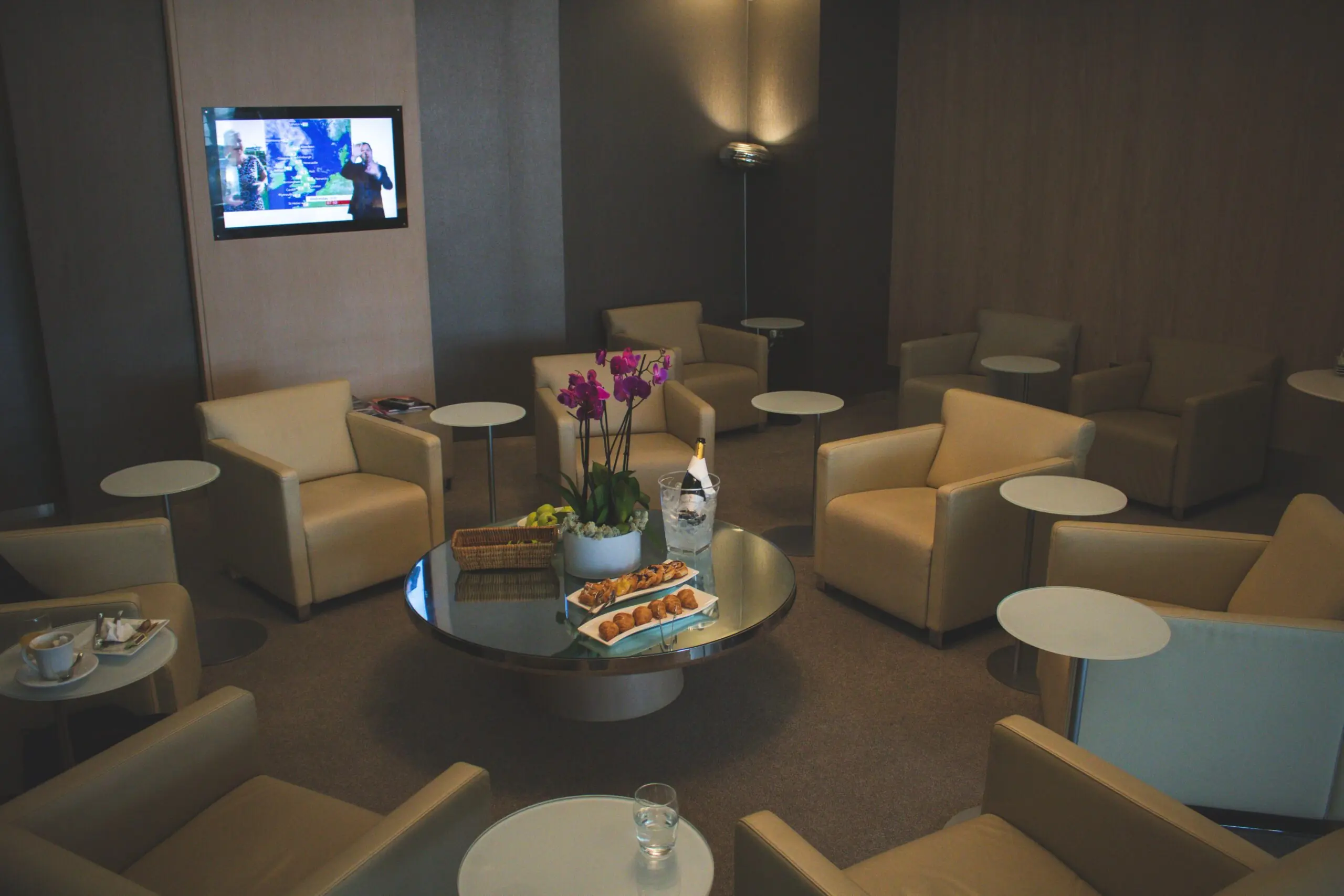
The Beyond Lounge network, which is strictly access-controlled and reserved for decision-makers from the airline’s largest corporate accounts and selected leaders in business, sport, and tourism, will expand to four cities with the Perth addition. The other locations in the network are Melbourne, Sydney, and Brisbane. The airline emphasized that access remains exclusive, with members entering through a discreet, unmarked entrance using a digital membership card. This model contrasts with the more open-access domestic lounges and aligns with industry trends where airlines are using hyper-premium, invitation-only spaces to foster deeper relationships with key B2B clients rather than relying solely on retail ticket sales.

In Brisbane, the domestic lounge, which has been operational for over a decade, will undergo a comprehensive overhaul. The refurbishment includes the addition of 100 seats, bringing the total capacity to a level that better accommodates the airport’s traffic volume. The works, due for completion by mid-2027, involve the installation of power outlets at every seat, new furniture, and upgraded bathroom and shower facilities. The design brief focuses on enhancing productivity and comfort, featuring a four-person enclosed meeting room, individual privacy pods, and a new self-service beverage area. The inclusion of floor-to-ceiling windows is intended to improve the aesthetic and functional quality of the space.
This investment forms part of a broader network upgrade across Virgin Australia’s seven-airport lounge portfolio, which also includes Adelaide, Canberra, Gold Coast, and Sydney. While the airline has not released specific financial figures for the total cost of this lounge network expansion, the description of the Brisbane works as a “multi-million-dollar” refurbishment suggests a substantial capital outlay. The timing of the Perth reopening in early 2027 coincides with the airline’s expectations for a pickup in corporate travel, indicating a calculated move to meet anticipated demand rather than a reactive response to current traffic levels.
The strategic focus on premium amenities comes at a time when the aviation industry is grappling with distinct operational challenges, including the need for improved handling of specialized equipment. While the lounge investments target the upper end of the market, broader industry scrutiny continues on the treatment of all passenger categories. For instance, recent incidents, such as the breaking of a $33,000 wheelchair by ground staff, have highlighted ongoing issues with training and asset care in ground operations. These incidents have prompted calls from disability advocates for better training protocols to ensure that essential mobility equipment is handled with the same care as standard luggage, a concern that impacts the airline’s broader service reputation alongside its premium offerings.
For Virgin Australia, the dual approach of enhancing premium corporate facilities while addressing wider operational standards reflects the complex trade-offs inherent in airline management. The lounge upgrades are aimed at increasing revenue per passenger from high-frequency corporate travelers, a segment that is less price-sensitive and more likely to retain loyalty based on service quality. However, the long-term success of these investments will depend on the airline’s ability to fill these facilities during the projected corporate travel recovery in 2027 and to maintain consistent service quality across its entire network.
The next phase of this strategy will be closely watched as the Brisbane refurbishment progresses and as the airline finalizes the operational plan for the Perth Beyond Lounge. Investors and industry analysts will look for further data on corporate booking trends in Western Australia in the coming quarters to gauge whether the demand assumptions underpinning the Perth reopening are materializing as expected.