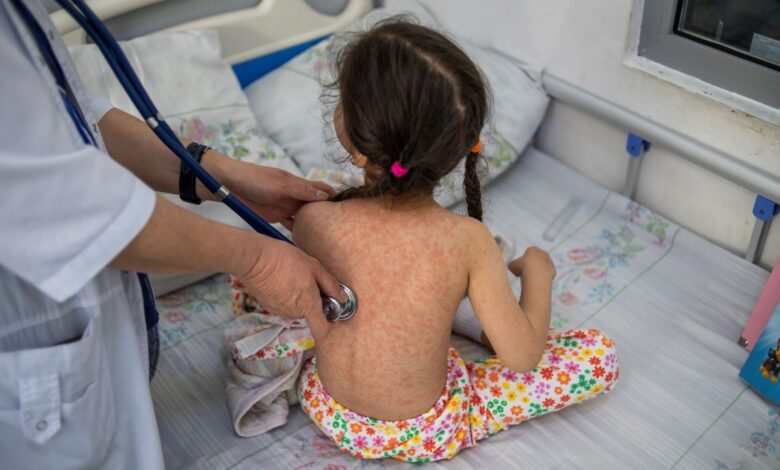
The medical significance of this rise lies in the sharp contrast between the virus’s potential lethality and the preventability of the disease. Measles is one of the most contagious viruses known to affect humans, spreading easily through the air via coughing or sneezing. In 2024, more than half of the reported cases in the European Region required hospitalization, and 38 deaths were recorded based on preliminary data. The burden falls disproportionately on the youngest and most vulnerable. Children under the age of five accounted for more than 40% of all reported cases in the region. In Romania, the situation is particularly acute, with over one-third of all cases occurring in children aged one to four years. This demographic concentration highlights a specific failure: the sharp drop in coverage for the first and second doses of measles-containing vaccines among young children.
Dr. Hans Henri P. Kluge, WHO Regional Director for Europe, described the situation as a “wake-up call,” warning that without high vaccination rates, there is no health security. “The measles virus never rests – and neither can we,” Kluge stated. The data supports this urgency. In 2023 alone, 500,000 children across the region missed the first dose of the measles vaccine (MCV1) that should have been administered through routine immunization services. Regina De Dominicis, UNICEF Regional Director for Europe and Central Asia, emphasized that the soaring cases point to critical gaps in immunization coverage, necessitating urgent government action and sustained investment in healthcare workers to protect children from this debilitating disease.
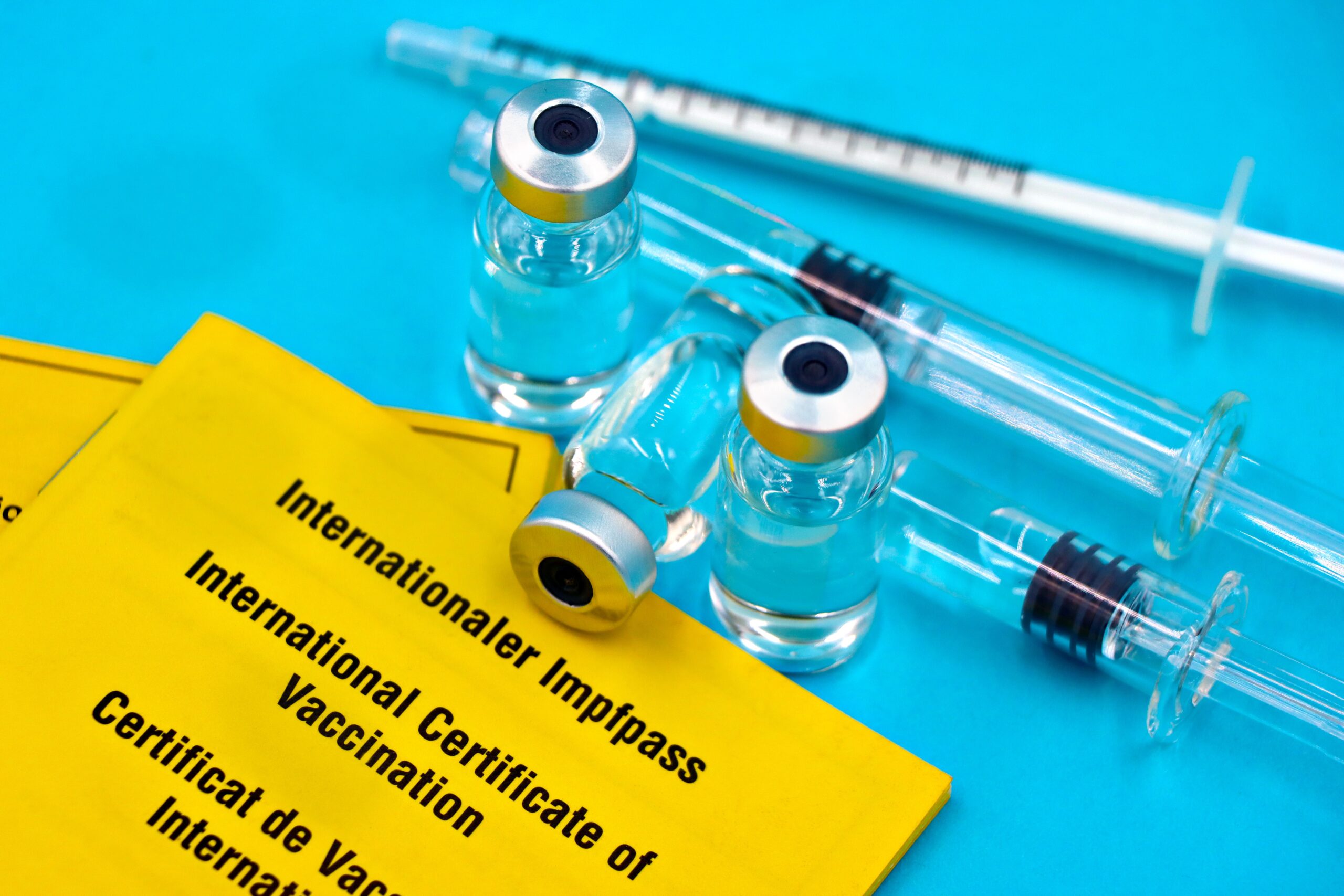
The geographic distribution of the outbreak reveals a stark disparity within Europe. While the European Region accounted for a third of all measles cases globally in 2024, the burden is heavily concentrated. Romania reported 27,568 cases between February 2024 and January 2025, far exceeding the next highest countries: Italy (1,097), Germany (637), Belgium (551), and Austria (542). In 2024, 87% of all European cases came from Romania, as did 22 of the 23 measles deaths in children. The country’s outbreak has been driven by a combination of anti-vaccine sentiment, conflicting health guidance, and a medical system struggling to maintain capacity. By 2023, just 62% of Romanian children had received a second dose of the measles-containing vaccine, compared to the European average of 88.8%, making Romania the lowest in the EU/EEA.
As the year progresses into 2025, the trajectory shows signs of stabilization but not resolution. According to data from the European Centre for Disease Prevention and Control (ECDC) through late July, nearly 7,000 measles cases have been reported across the European Union, Norway, Iceland, and Liechtenstein. This is a significant reduction from the more than 35,000 cases reported in all of 2024. However, experts warn against complacency. Recent rates are still double those of 2023. Sabrina Bacci, MD, MSc, head of vaccine-preventable diseases and immunization at the ECDC, noted that while Romania remains the clear hotspot, the dynamics of infection are shifting in other parts of the continent. In countries with higher childhood immunization rates, such as Italy, Spain, France, and Poland, the majority of recent cases have occurred in adults older than 30 years, a result of missed vaccinations in the past. In contrast, Romania continues to see heavy transmission among the very young, indicating that emergency vaccination efforts and catch-up campaigns are beginning to have an effect but have not yet closed the immunity gap.
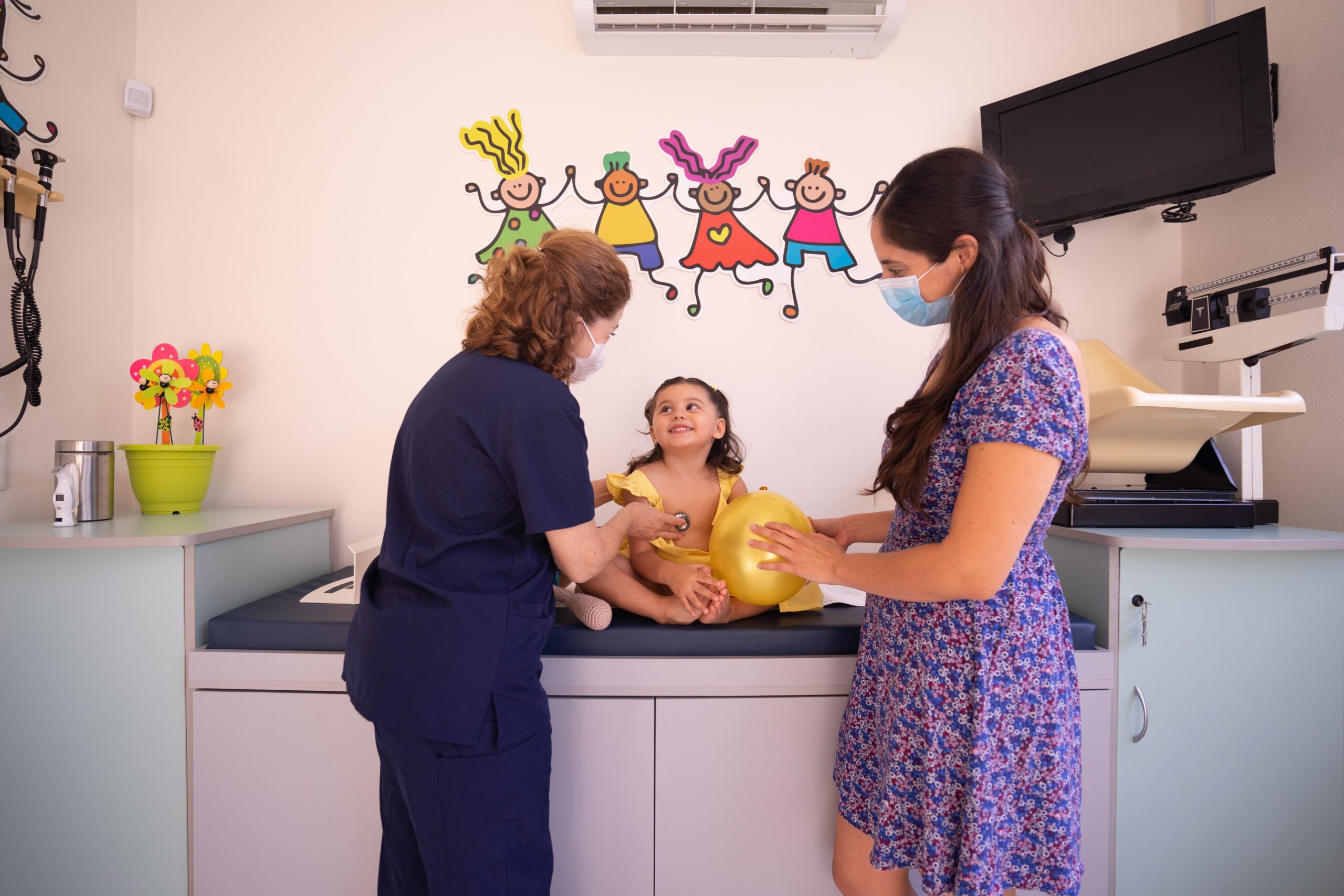
The evidence linking vaccination status to disease burden is overwhelming. Eight out of ten people diagnosed with measles in the EU/EEA in the last year were not vaccinated. This statistic underscores that the current crisis is primarily a failure of access and uptake rather than vaccine efficacy. The MMR (Measles, Mumps, and Rubella) vaccine remains the safest and most effective tool for protection. Health authorities, including the ECDC, are encouraging adults and parents to check their vaccination history and consult healthcare professionals if in doubt. The virus’s ability to persist in communities with even low levels of susceptibility means that international travel and regional movement continue to pose risks, as seen in earlier alerts from the U.S. Centers for Disease Control and Prevention regarding outbreaks in Belgium, Germany, Italy, and Romania.
Looking ahead, the challenge for European health systems is not just to treat cases, but to rebuild trust and coverage. The decline in vaccination rates during and after the pandemic created a window of vulnerability that the virus has exploited. As the region shapes its new health strategy, the focus must remain on reaching under-vaccinated communities. The goal is to restore the herd immunity that once kept measles at bay. Until vaccination rates return to and exceed pre-pandemic levels, the risk of further outbreaks remains high. The next verified development will be the continued monitoring of case numbers through the end of 2025, with particular attention to whether the gap in second-dose coverage in Romania narrows sufficiently to break the cycle of early-age transmission.