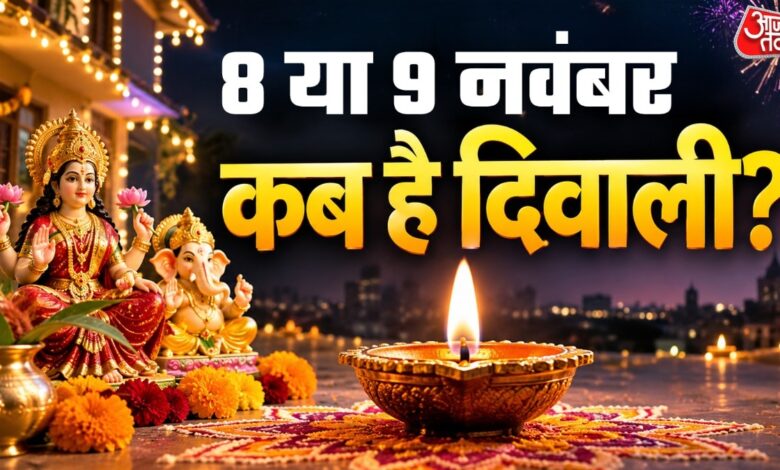
The date of Diwali is determined by the Amavasya, or new moon, in the month of Kartik. For 2026, the Amavasya tithi (lunar day) begins on the morning of November 8 at 11:27 AM and continues until 12:31 PM on November 9. However, traditional observance does not rely solely on the tithi’s start date; it also depends on the Pradosh Kaal, the twilight period. Because the Pradosh Kaal occurs on November 8, the festival is officially scheduled for that day. This distinction resolves the ambiguity that has caused confusion among citizens regarding which evening to perform the primary rituals.
The festival period begins one day earlier, on Saturday, November 7, 2026, with Choti Diwali, also known as Naraka Chaturdashi or Rup Chaudas. This day holds distinct mythological significance, commemorating the defeat of the demon Naraka Asura by Lord Krishna. According to the sources, Naraka Asura, also known as Bhuma Asura, had oppressed both the earth and heaven, capturing approximately 16,000 young women. Lord Krishna, aided by his wife Satyabhama, defeated the demon, a victory traditionally linked to the specific boon that his death would come at the hands of a woman. This event marks the beginning of the festive season, with the Chaturdashi tithi beginning at 10:47 AM on November 7 and ending at 11:47 AM on November 8.
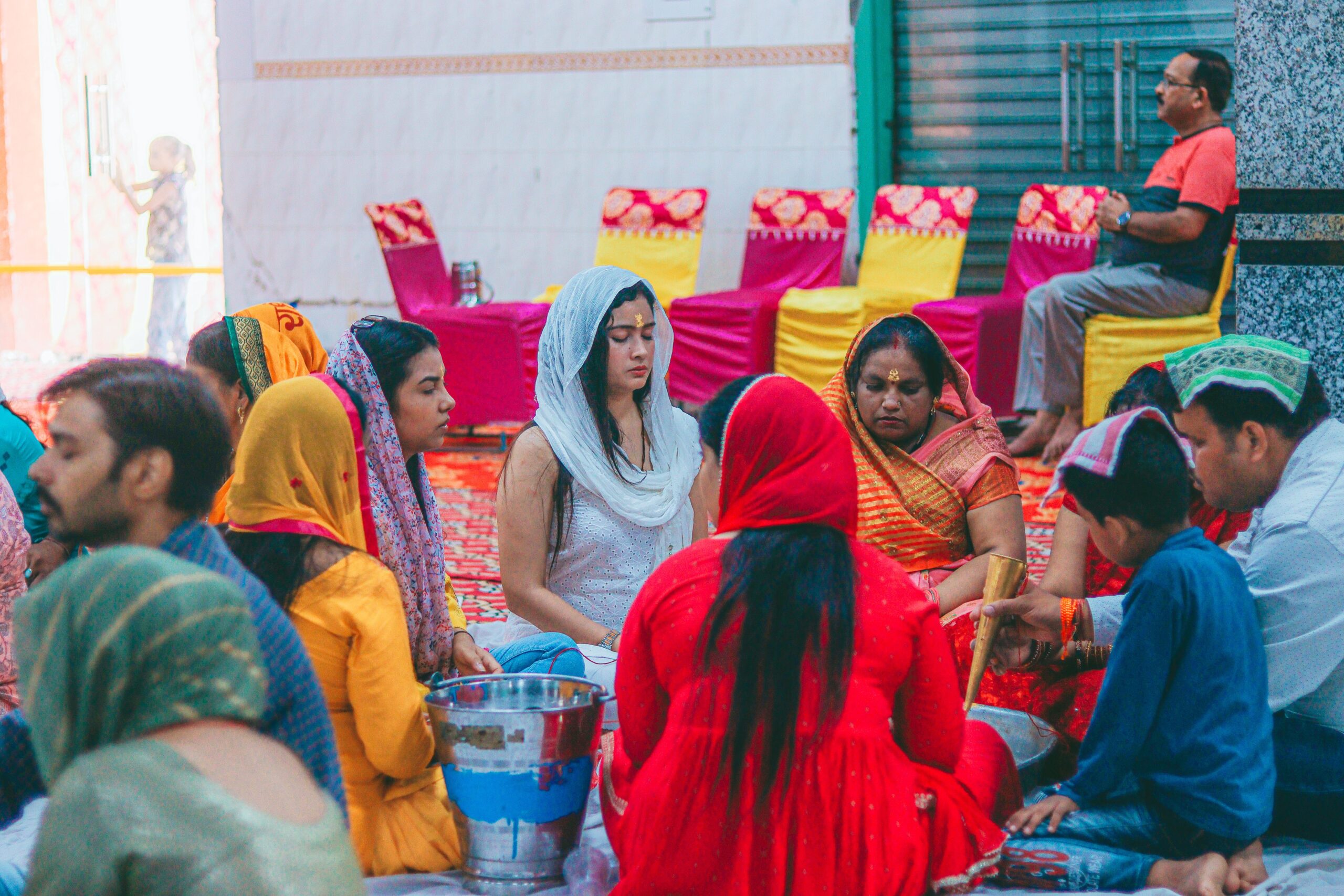
For those observing Choti Diwali, specific auspicious timings, or muhurat, have been designated. The traditional oil bath, or Abhyang Snan, is recommended between 5:41 AM and 6:38 AM. Evening rituals include the Chandrodya (moonrise) at 5:41 PM and the Yam Deepdan (offering of lamps to the god of death) between 5:31 PM and 5:57 PM. The broader evening prayer window extends until 6:50 PM.
The main Diwali celebrations on November 8 focus on the worship of Goddess Lakshmi, the deity of wealth and prosperity, and Lord Ganesha, the remover of obstacles. The Laxmi Puja muhurat is set between 5:54 PM and 7:50 PM. This occurs within the Pradosh Kaal, which spans from 5:41 PM to 8:17 PM. A central part of the evening is the Nishita Kaal, the midnight hour, which begins at 11:44 PM and ends at 12:36 AM on November 9.
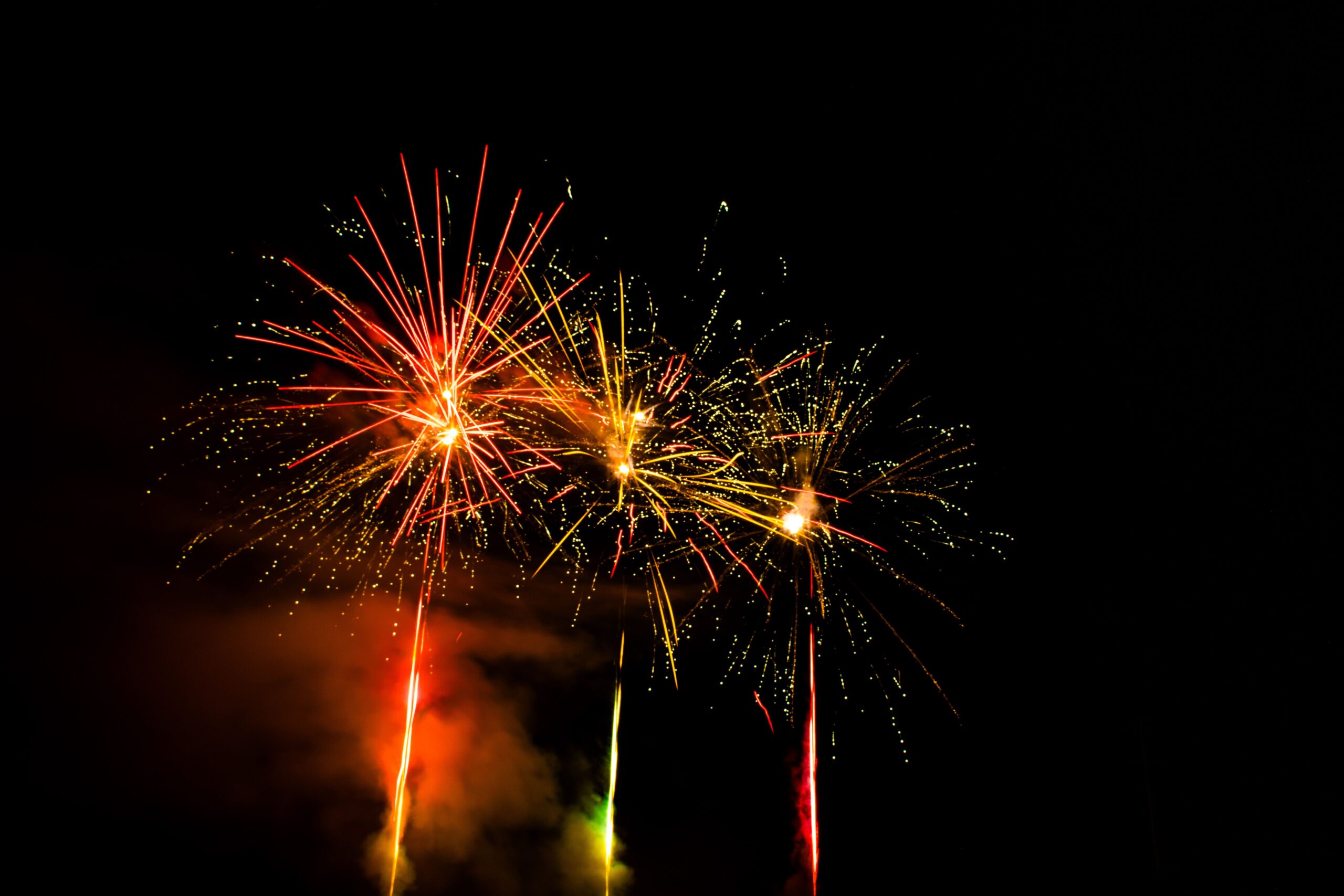
The cultural and religious significance of these dates is rooted in ancient mythology. Diwali itself is traditionally linked to the return of Lord Rama to Ayodhya after a 14-year exile and his victory over the demon Ravana. The lighting of oil lamps, or diyas, symbolizes the victory of light over darkness and good over evil. Similarly, Choti Diwali reinforces the theme of righteousness triumphing over tyranny through the narrative of Lord Krishna’s intervention.
As the dates are confirmed, households across India will prepare for the festivities, which involve cleaning and decorating homes, lighting numerous lamps, and performing specific pujas at the prescribed muhurats. The alignment of these dates in 2026 provides a clear framework for religious observance, ensuring that the spiritual and cultural traditions associated with the festival are maintained according to the lunar calendar.