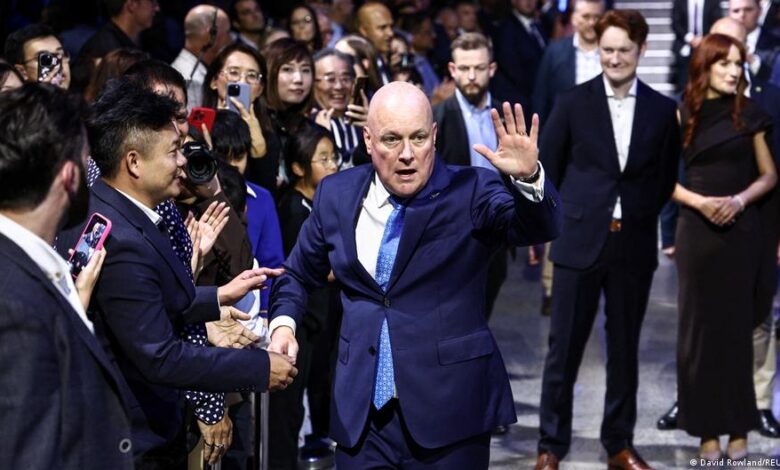
Prime Minister Christopher Luxon, leading the National Party, addressed the outcome with measured confidence, stating that his party “is once again the largest party in parliament, and we have a pathway to forming the next government.” This declaration reflects the arithmetic of New Zealand’s mixed-member proportional (MMP) system, which governs how seats are allocated in the House of Representatives. Under MMP rules, voters cast two ballots: one for a local electorate candidate and one for a political party. While electorate winners secure direct seats, the remaining seats are distributed based on the national party vote, with a 5% threshold required for a party to enter parliament. The preliminary results suggest that the National Party, allied with the pro-business ACT Party and the right-wing populist New Zealand First, is projected to secure a total of 67 seats. In a 120-seat parliament, this constitutes a slim majority. However, the complexity of the election has expanded the chamber itself.
Due to the mechanics of the MMP system, specifically the phenomenon known as an “overhang,” parliament is set to expand to 130 seats, making it the largest in New Zealand’s history. An overhang occurs when a party wins more electorate seats than their share of the party vote would normally allow; these extra seats are not subtracted from the total but are added to the 120 base seats. Consequently, the highest-ranked members on party lists are admitted to fill the remaining quotas. This expansion increases the complexity of coalition negotiations, as the calculation of seat shares becomes more intricate, and the margin of victory for the governing bloc becomes even thinner relative to the total number of lawmakers.
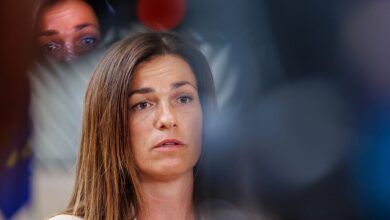
The political significance of this result extends beyond the immediate formation of a cabinet. Labour Party leader Chris Hipkins acknowledged the impasse, noting that neither his party nor the National Party was likely to form a governing majority on its own. “New Zealand has spoken. It may take us a little bit longer to figure out exactly what it is that you’ve said,” Hipkins told supporters. He emphasized that the next parliament would require all parties to “compromise, to work together, and to find common ground.” This rhetoric underscores a shift in the political discourse from binary opposition to necessary cooperation, driven by the reality that no single party commands a decisive share of the electorate.
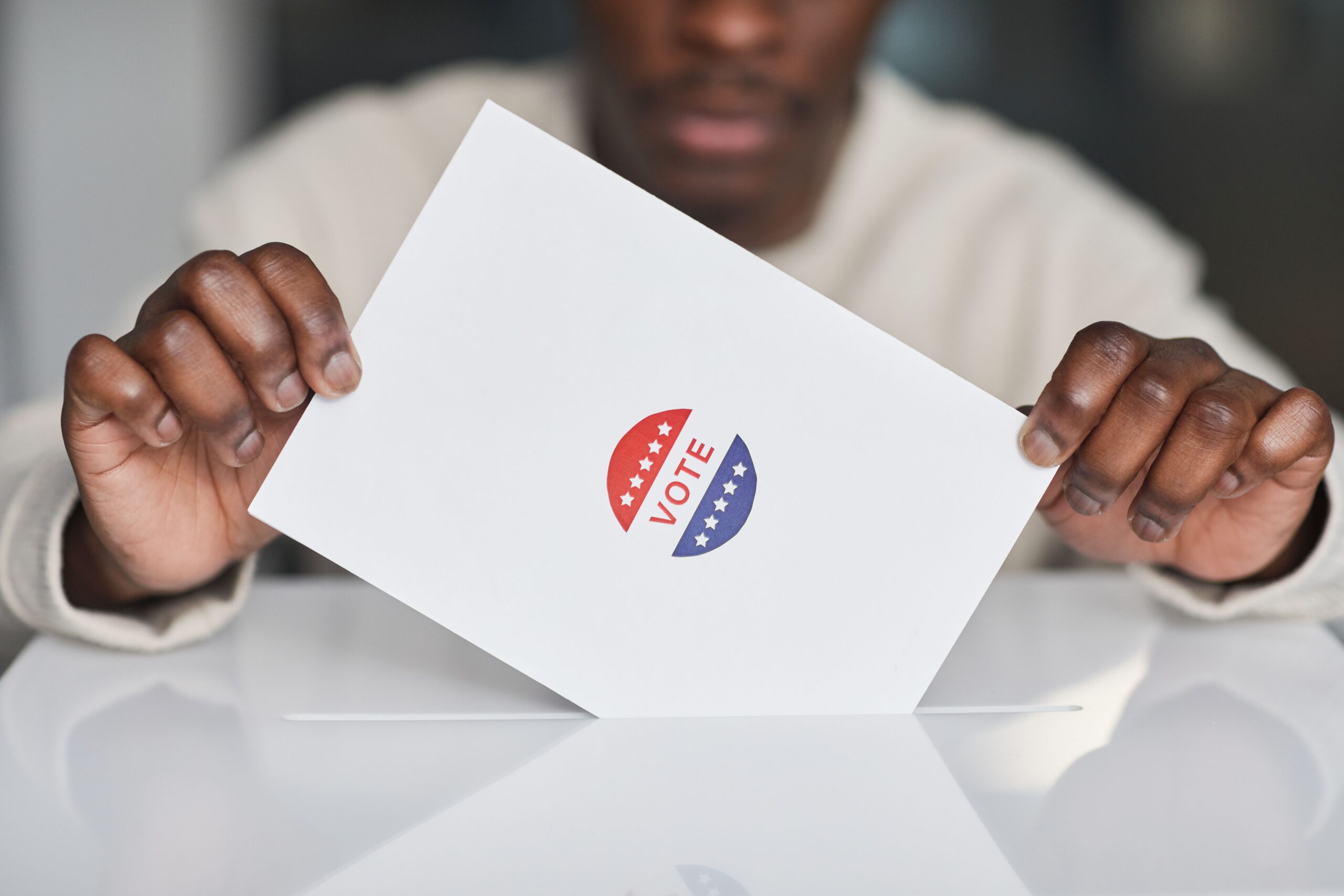
The election took place against a backdrop of significant economic pressure, with the rising cost of living and the highest unemployment rates in more than a decade serving as the primary issues at stake. Approximately 1.7 million of the country’s 3.8 million eligible voters had already cast their ballots prior to the official election day, a trend that has become increasingly common in New Zealand’s electoral process. The voting period was conducted under strict legal prohibitions on media reporting of results and political campaigning on the final day, a rule designed to ensure a level playing field until the polls close.
However, the current picture is not final. Special votes, including those cast by citizens living overseas, are to be counted over the next three weeks. These votes have historically benefited left-leaning parties and have shifted preliminary results in the last three elections. Therefore, the 3,500-vote lead held by the National Party on Saturday night is subject to change. Final results are not expected until November 27, a delay that introduces a period of uncertainty and speculation into the political process.
If the right-wing bloc fails to maintain its slim majority once special votes are tallied, the political balance could tip significantly. The centrist Opportunity Party, projected to win seven seats, is poised to cross the 5% threshold to enter parliament for the first time since its founding in 2017. This potential entry would make the Opportunity Party a kingmaker, capable of determining the composition of the government. Prime Minister Luxon has previously ruled out cooperating with the Opportunity Party, a stance that could complicate negotiations if the right-wing bloc’s seat count falls short of the 61 seats required for a majority in a standard parliament, or the adjusted threshold in the expanded 130-seat house. The refusal to engage with a potential kingmaker raises questions about the stability of the National-led coalition if the margin of victory erodes.

The distinction between verified preliminary facts and political projections remains crucial in this context. While the National Party currently leads in the partial count, the final outcome remains unresolved. The MMP system’s reliance on party vote shares means that small shifts in the national tally can have disproportionate effects on seat allocation. The expansion of parliament to 130 seats further complicates this dynamic, as the precise number of additional seats required by each party depends on the final electorate results. This institutional rigidity ensures that the government formed will be a reflection of detailed electoral arithmetic rather than a simple popular majority.
As New Zealand awaits the final count, the focus shifts from the immediate celebration of victory to the protracted process of coalition building. The proximity of the National and Labour parties in the preliminary results highlights a deeply divided electorate, where economic anxieties have not coalesced behind a single political banner. The coming weeks will determine whether the National Party’s projected majority holds firm, or if the political landscape reshapes itself around the centrist forces that have gained traction in this close-fought election. The next critical development will be the release of the special vote counts, which will provide the definitive data necessary to form the next government.