
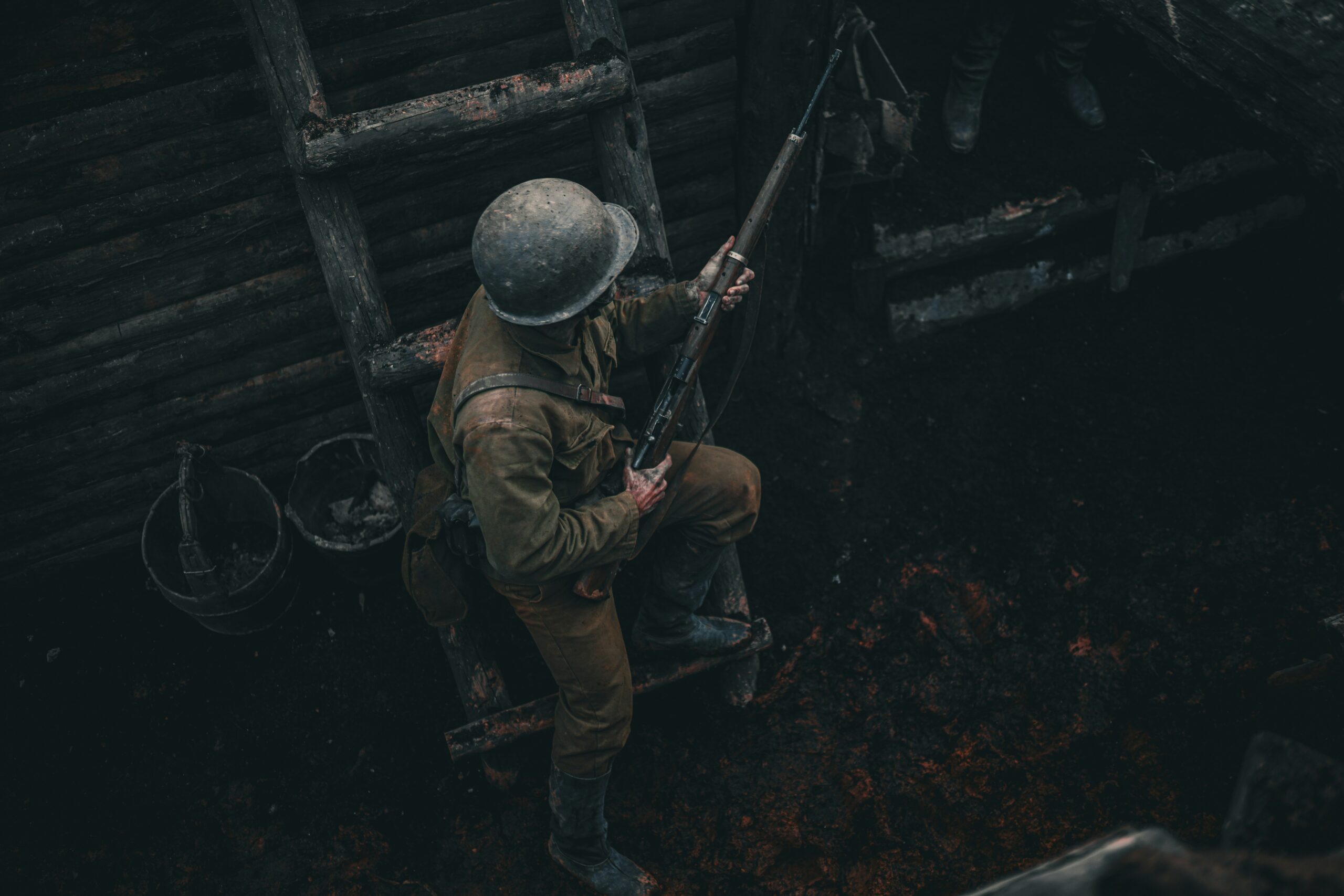
The collapse in territorial gains is occurring alongside a significant increase in reported Russian personnel losses. Ukraine’s General Staff estimates that 381,300 Russian soldiers were killed or seriously wounded from January 1 to October 31, 2026. While Al Jazeera and other international bodies cannot independently verify casualty claims from either belligerent, the trend in Ukrainian estimates is notable: monthly losses have repeatedly broken records since the summer, with 42,860 personnel lost in July, 46,230 in September, and 54,400 in October. These figures far exceed Russia’s estimated monthly recruitment capacity of 24,000 to 30,000 personnel, suggesting a growing strain on Moscow’s ability to sustain offensive operations.
ISW assessments indicate that while Russia lost firm control of Ukrainian territory in April and May, it initially compensated by increasing areas of infiltration where control is contested. However, by September and October, Russia lost both firmly controlled and infiltrated territory. This tactical shift has not been accompanied by a strategic pause; instead, Moscow has intensified long-range strikes targeting Ukrainian energy infrastructure. In the week ending November 6, Russia launched 2,346 drones and more than 80 missiles across Ukraine, with a peak of 370 drones and 76 missiles on November 3 alone. These attacks have left hundreds of thousands of families without power at the onset of winter. One of the year’s deadliest incidents occurred in the village of Komyshuvakha in the Zaporizhzhia region, where at least 50 people were killed when Russian forces struck a resilience center distributing humanitarian aid on a Monday, a day regularly used for such distributions.
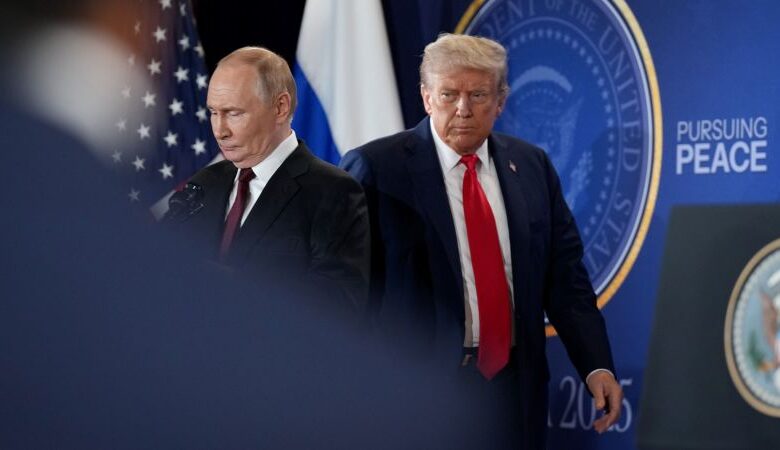
As the military situation reaches a stalemate, diplomatic efforts are intensifying, albeit under confusing and opaque frameworks. The Trump administration has introduced a new phase of peace efforts dubbed the “Shell Bay format,” named after a luxury residential complex and golf course owned by Special Envoy Steve Witkoff. In a recent post, fellow envoy Jared Kushner outlined five goals for this framework: permanent security consultations, reliable crisis communications, greater military transparency, reciprocal measures to reduce escalation risks, and an enduring framework for long-term European security. Kushner’s statement emphasized the continued relevance of NATO, though it notably omitted any reference to Russia’s invasion of its neighbors or the Chechen wars that have defined post-Soviet security dynamics.
President Donald Trump, following a meeting with Russian envoy Kirill Dmitriev at the White House, described the upcoming talks in Abu Dhabi as “going to be a big agreement” involving more than Ukraine, potentially all of Europe. However, skepticism remains high among European and Ukrainian officials. President Volodymyr Zelenskyy stated he knew few details of the proposal and warned it would not be simple. Three European officials contacted by CNN indicated they were unaware of the specifics of the “Shell Bay format.” The appointment of Vladimir Medinsky, a diplomat known for historical lectures, to lead the Russian delegation in Abu Dhabi has led many analysts to believe the Kremlin seeks to revert to the negotiating posture of May 2025. Previous rounds of talks in Miami, Abu Dhabi, Alaska, Istanbul, and Geneva have suggested that Moscow insists on having its war goals satisfied before ending the conflict, complicating any near-term resolution.
The divergence between the battlefield reality—where Russian gains have dwindled to near zero and casualties are mounting—and the diplomatic rhetoric of a “big agreement” creates a complex strategic landscape. If the “Shell Bay format” aims to establish a sustainable security framework, it must address the operational constraints now evident in Russian force posture. The inability to replace losses at the rate they are being incurred, combined with the failure to secure significant new territory, suggests that Moscow’s leverage in negotiations may be diminishing, even as it escalates psychological and infrastructure warfare to pressure Kyiv. The coming weeks in Abu Dhabi will determine whether these military trends can be translated into a durable diplomatic outcome or if the conflict will continue to grind on with diminishing returns for the aggressor.