The earthquake struck at a depth of approximately 40 kilometers, according to the Japan Meteorological Agency (JMA). The epicenter was located in western Shizuoka Prefecture, but the impact rippled outward, affecting a wide swath of the region. The Kyodo news agency reported that more than 20 people were injured in the Aichi and Shizuoka prefectures, with other sources citing a figure of at least 22 injured. The injuries were largely the result of the chaotic moments of evacuation; the Associated Press noted that some of the injured had fallen on stairs while attempting to flee their buildings as the ground shook. The seismic event was significant enough to be felt across several prefectures, including Aichi, where the city of Hamamatsu experienced tremors, and the ancient capitals of Kyoto and Nara. The quake was also felt in Yamanashi Prefecture, home to Mount Fuji, and Gifu Prefecture. However, the distance from the epicenter was sufficient that the quake was not felt in Tokyo.
Despite the intensity of the shaking, the geological context provided some immediate relief regarding secondary hazards. The JMA reported that no tsunami warning was issued, a critical distinction given Japan’s vulnerability to such events following underwater seismic activity. Furthermore, Ayataka Ebita, an official with the meteorological agency, addressed the pressing concern of the Nankai Trough. This underwater ocean trench, where two major tectonic plates meet beneath parts of Japan, is a site of intense scientific monitoring due to the potential for a “megaquake.” Ebita stated that no apparent change had been detected in the Nankai Trough so far, suggesting that this specific earthquake was not a direct precursor to a larger, catastrophic event in that specific zone. This distinction is vital for public understanding, separating the immediate local disaster from the long-term, monitored risks of the region’s complex tectonic setting.
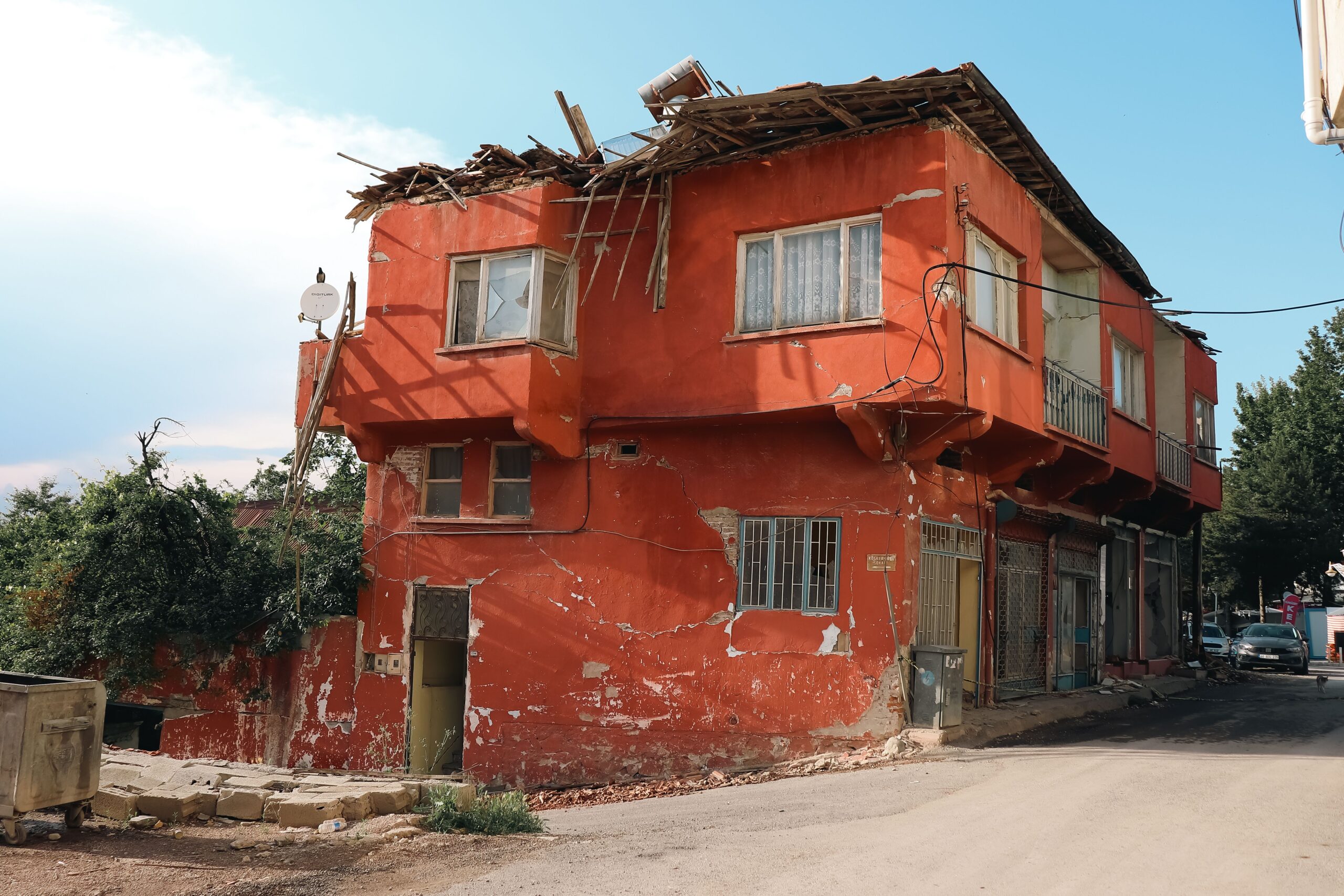
While the immediate threat of a tsunami or a Nankai megaquake appears contained, the JMA has issued a warning for the coming days. Officials have urged the public to be on the lookout for strong aftershocks, particularly in the next two to three days. Beyond the shaking itself, the agency highlighted specific environmental and geological risks. Ebita told reporters that residents should be wary of mudslides and falling rocks, factors that could be exacerbated by rainfall. This warning underscores the interconnected nature of seismic events and weather patterns in Japan’s mountainous terrain, where loose soil and rock faces can become unstable after an earthquake, posing a secondary threat to communities and infrastructure.
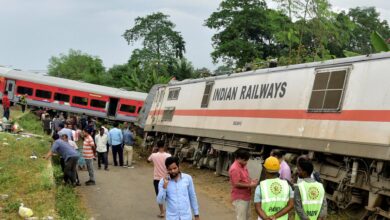
The disruption extended beyond personal safety to the region’s vital transportation networks. The earthquake forced a precautionary halt to some local train services. The Shinkansen bullet trains, a cornerstone of Japan’s high-speed rail system, were not stopped entirely but were forced to operate at reduced speeds in the affected areas. JR Central, the rail operator, confirmed that trains on the Tokaido Shinkansen line, which links the economic hubs of Tokyo and Osaka, suffered delays between Shizuoka and Gifu-Hashima stations. These delays were the result of mandatory safety checks, a standard procedural response in Japan’s earthquake-prone infrastructure to ensure the structural integrity of tracks and bridges before full-speed operations resume. This measured response reflects the nation’s established protocols for balancing mobility with safety in the face of seismic uncertainty.
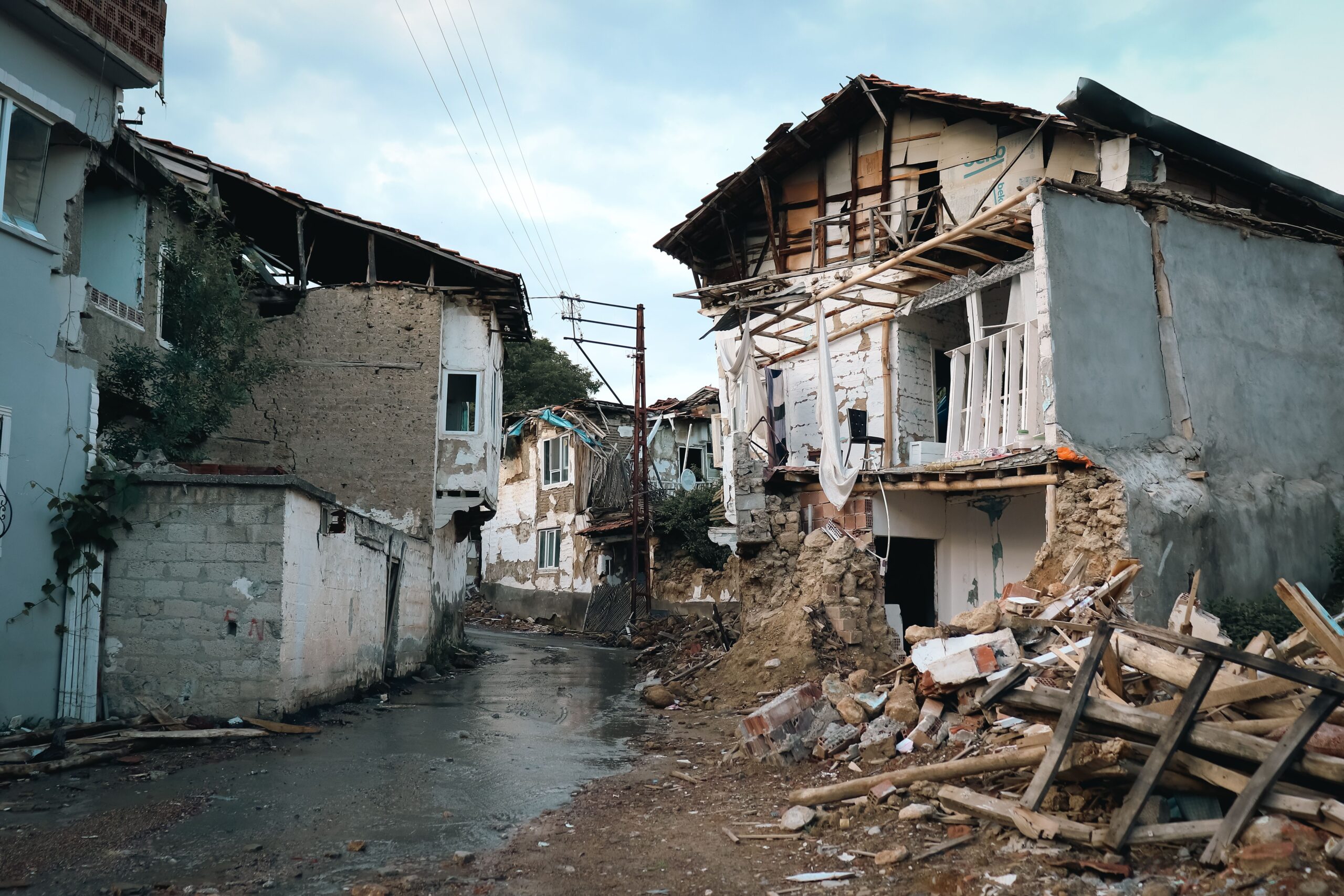
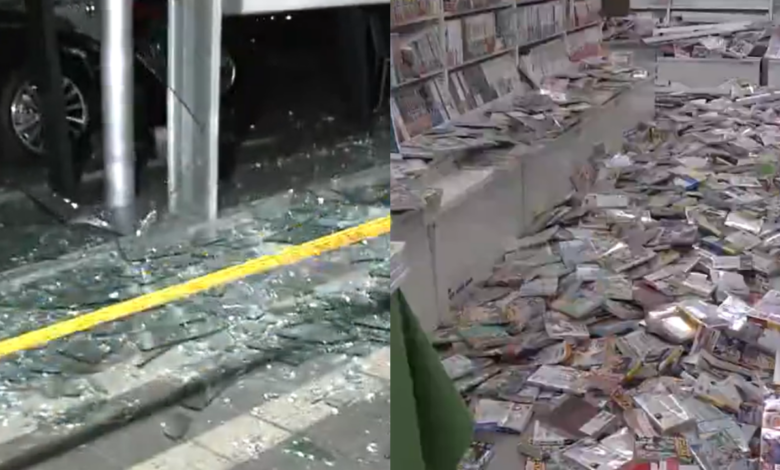
The event serves as a stark reminder of the persistent geological volatility in central Japan. While the immediate damage appears to be limited to property and minor injuries, the ongoing risk of aftershocks requires sustained vigilance. The scientific consensus, as relayed by the JMA, indicates that while the Nankai Trough remains stable for now, the potential for further seismic activity in the region is not negligible. The focus now shifts from the initial shock to the management of the aftermath: monitoring for landslides, ensuring the safety of restored infrastructure, and preparing for any subsequent tremors that may test the resilience of the communities from Shizuoka to Gifu. As the glass is swept from the streets and the books are returned to their shelves, the underlying tectonic pressures remain a constant, monitored presence beneath the surface.