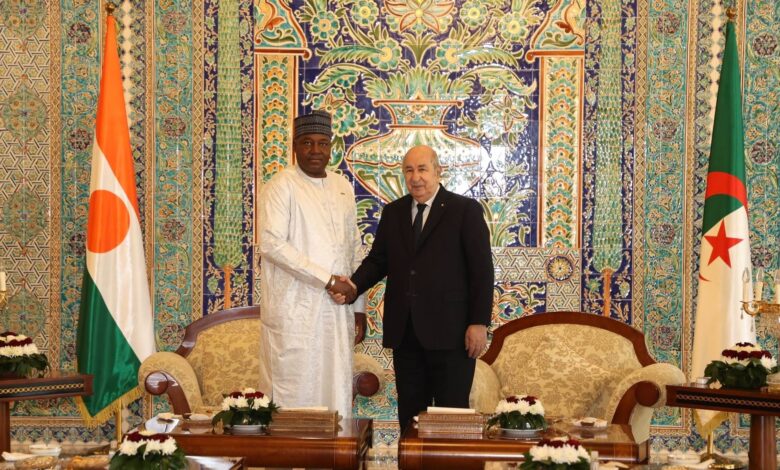
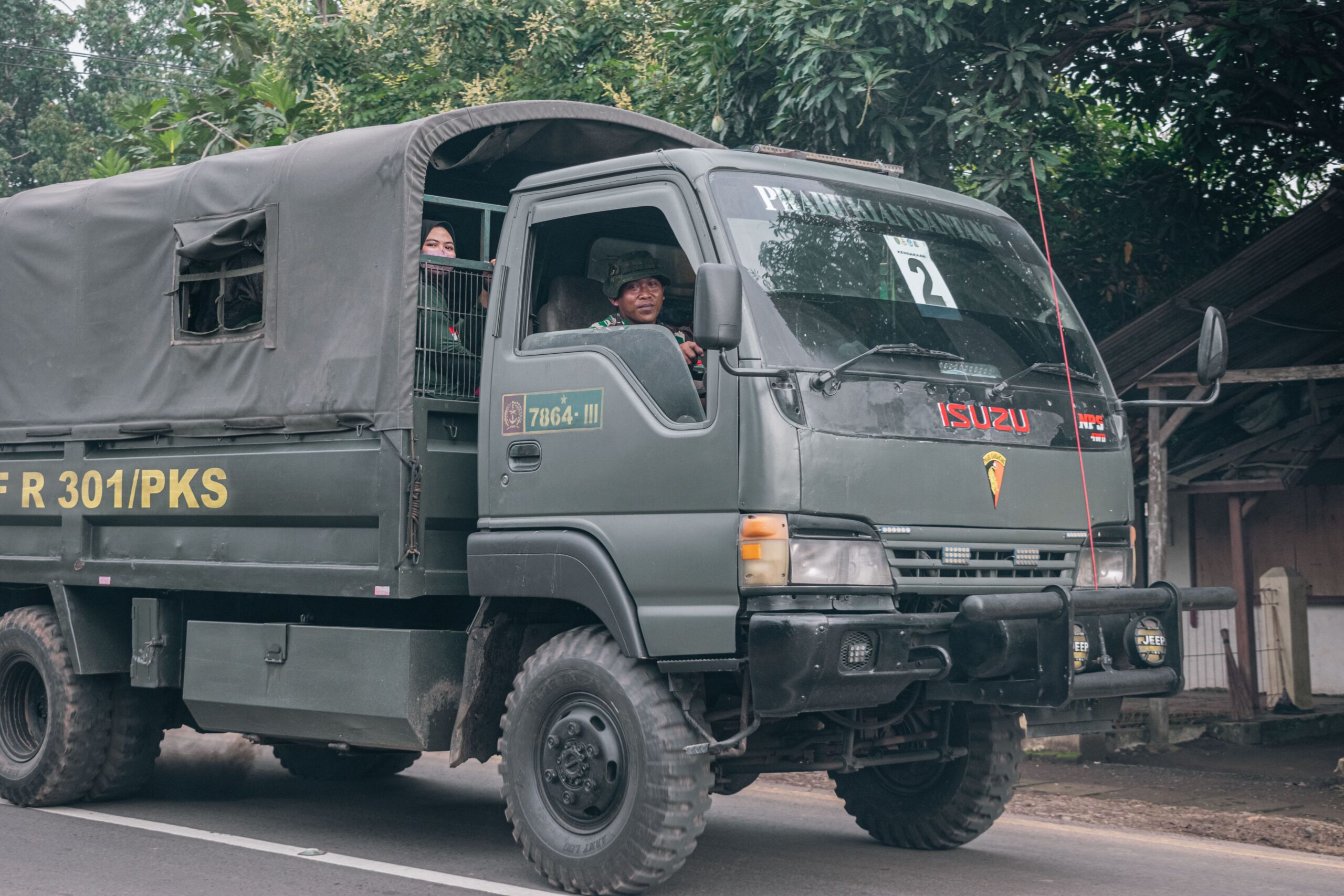
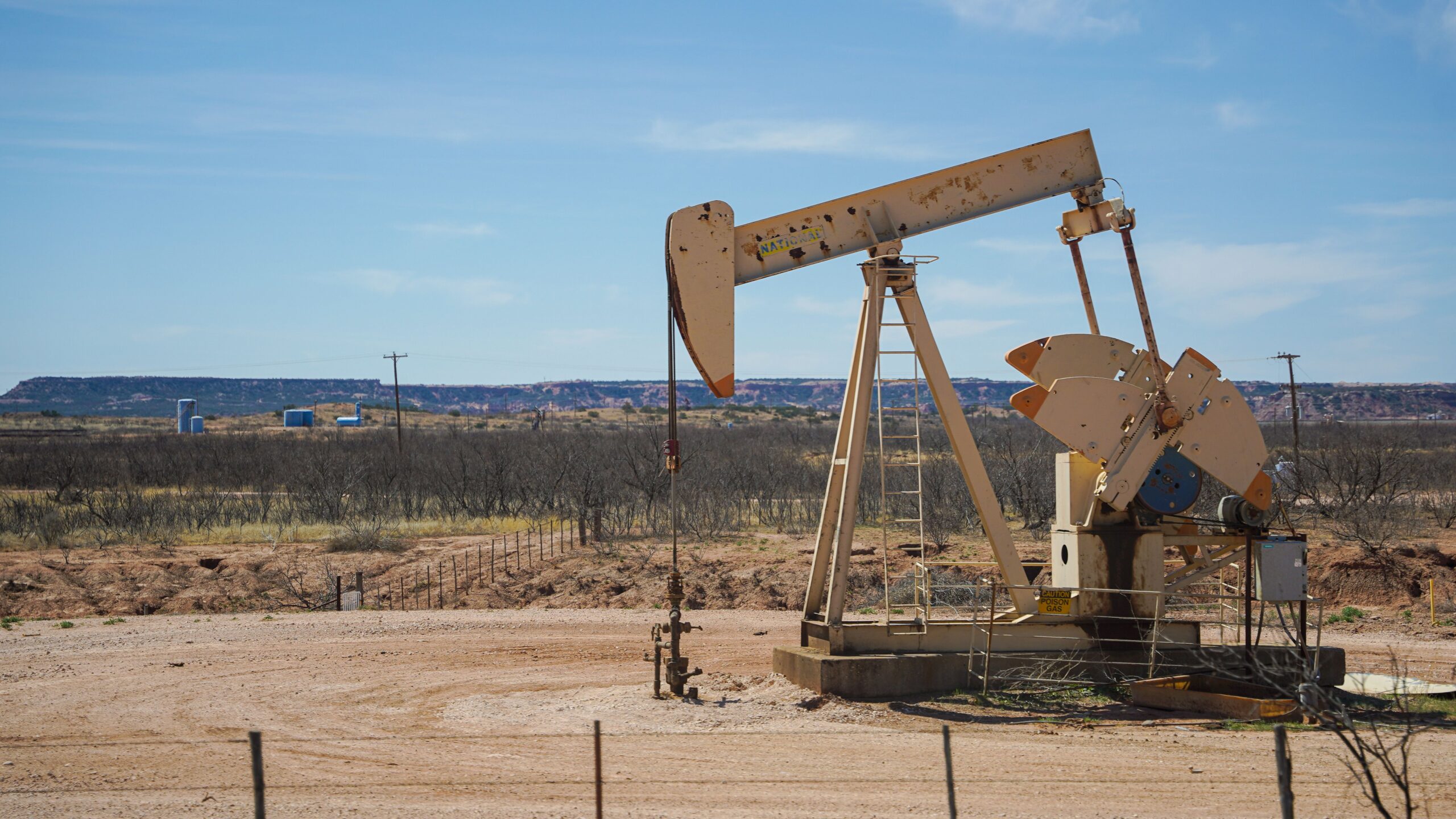
The decision represents a fundamental departure from Algeria’s longstanding doctrine of principled non-intervention. While the Algerian state had previously opposed the 2023 coup that brought General Abdourahamane Tiani to power, Algiers has since moved to offer him a “much-needed lifeline.” Senator Belkacem Boulghiti, speaking to reporters after the parliamentary vote, clarified the scope of the mission, stating that the troops would protect economic infrastructure and oil facilities belonging to Algerian companies. “Algeria is not sending our soldiers to wage war in Niger,” Boulghiti added, framing the operation as a response to changing security conditions in the Sahel rather than an offensive military action.
At the center of this strategic recalibration is the proposed Trans-Saharan Gas Pipeline, a project intended to carry natural gas from Nigeria through Niger to Algeria for export to European markets. Algeria’s state-owned energy giant, Sonatrach, has been working closely with Niger on this infrastructure. For Algiers, the stability of Niger is no longer merely a neighbor’s concern but a direct imperative for securing its strategic energy interests. “Current geopolitical shifts… mean that new tools, such as a show of presence including at the military level, are no longer a taboo and will be utilised to draw and reinforce Algeria’s redlines,” said Zine Ghebouli, a visiting fellow at the European Council on Foreign Relations.
The urgency of this deployment is inextricably linked to a widening geopolitical confrontation involving the United Arab Emirates, Morocco, and Israel. In September, Algeria severed diplomatic relations with Abu Dhabi after what the foreign ministry described as “hostile actions” that had become “unacceptable or tolerable within the framework of relations between two sovereign states.” The Algerian government accused the UAE of being responsible for bloodshed across the region, noting that Emirati support for rival armed groups and separatist forces threatened the territorial integrity of nations including Sudan, Somalia, Libya, and Yemen.
Retired senior diplomat Amar Belani, in an October article, characterized the growing instability in the Sahel as part of a “destabilisation strategy actively involving the United Arab Emirates, Morocco, Israel and certain French proxies.” According to Belani, continued instability in Niger would directly threaten Algerian interests and hinder the gas pipeline project. This sentiment is echoed by Dr. Fatiha Dazi-Heni, a senior political scientist at Irsem, who noted, “By securing Niger, Algeria is protecting its own answer to the Morocco-UAE axis.” The rivalry is compounded by the UAE’s intensive cultivation of relationships with the Sahel’s military regimes, including Mali, Burkina Faso, and Niger, through high-level diplomacy, gold trading, and investment. In May 2025, Emirati minister Sheikh Shakhboot bin Nahyan met with the leaders of these three nations to discuss cooperation in economic development and security.
Security threats also emanate from the Libyan frontier. Eastern Libya’s de facto ruler, Khalifa Haftar, commands the Libyan Arab Armed Forces (LAAF) and expands his military presence toward the corridors connecting Libya and Niger. Haftar, backed by the UAE, presents a significant concern for Algiers, particularly given that his son, Saddam Haftar, supports Mahamoud Sallah, a Nigerien opponent of President Tiani. “Saddam Haftar and the Algerian state are on opposing sides,” said Jalel Harchaoui, a Libya analyst affiliated with the Royal United Services Institute. Harchaoui cautioned, however, that observers should not assume Algeria is intervening in Libya itself; rather, the current effort is focused on deploying troops on Nigerien soil to maintain security within a framework that will become clearer in the coming weeks.
The political landscape in the Sahel remains volatile. Niger, Mali, and Burkina Faso, all governed by military leaders who seized power in coups, have formed the Alliance of Sahel States to address threats from armed groups linked to al-Qaeda and ISIL. Relations between Algeria and this bloc had previously deteriorated in April of last year, when Algerian forces shot down a Malian drone near the border, prompting the alliance members to recall their ambassadors. The recent diplomatic improvements have now culminated in this unprecedented military cooperation.
As the convoy settles into its positions, the deployment stands as a tangible marker of Algeria’s new posture. The country has moved from a passive observer to an active guardian of its southern flank, prioritizing the protection of its energy assets against what it perceives as external destabilization. The next phase of this mission will depend on how effectively the Algerian forces can secure the infrastructure and how the broader regional dynamics between Algiers, Abu Dhabi, and the Sahelian regimes evolve in the immediate future.