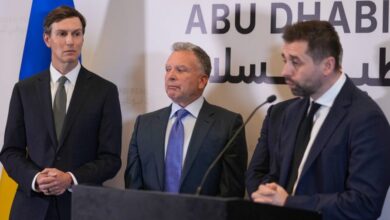
The agreement, signed in the presence of GCC Secretary-General Jasem Mohamed Albudaiwi and Bahrain’s Crown Prince and Prime Minister Salman bin Hamad Al Khalifa, establishes a common framework for the implementation, technical coordination, and operation of the railway. According to officials, the project has reached an overall completion rate of 55.9%, with full operations targeted for December 2030. This deadline was set by the GCC ministerial council in December 2023, which also allowed for partial operations to begin between neighboring countries as specific sections were completed.
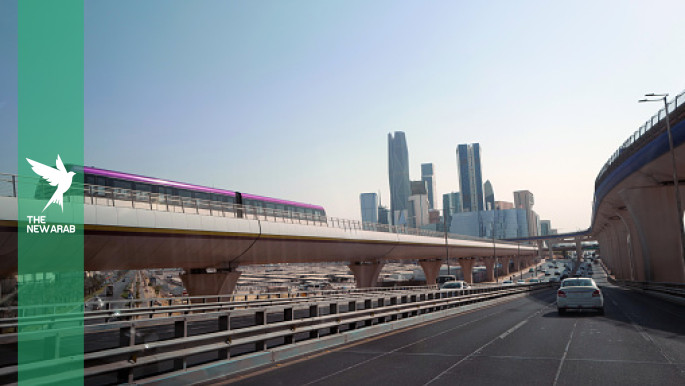
At the heart of the development is a 2,100-kilometer network intended to connect major cities, industrial centers, ports, and logistics hubs across the Gulf. The project specifications indicate that passenger trains are expected to reach speeds of up to 200 kilometers per hour, while freight services will operate at speeds ranging from 80 to 120 kilometers per hour. The primary objective is to reduce reliance on road freight, lower transportation costs, and facilitate cross-border trade and investment. By linking land transport systems with maritime ports, the GCC aims to improve the efficiency and competitiveness of its transportation infrastructure, positioning the region more effectively within international trade movements.
The signing ceremony took place in Manama, where Bahrain is serving as the president of the 46th Session of the GCC Supreme Council, often referred to as the Bahrain Summit. Prince Salman bin Hamad Al Khalifa, who attended the signing after holding talks with Secretary-General Albudaiwi and delegation heads earlier in the day, emphasized the strategic significance of the project. He described the railway as a critical initiative for improving logistics services, easing trade, and generating new economic and investment opportunities. In his remarks, the Crown Prince stressed the importance of reinforcing multilateral coordination among GCC states to ensure the sustained progress of such joint strategic projects, noting that these achievements demonstrate a collective dedication to converting shared ambitions into tangible development.

Secretary-General Albudaiwi framed the agreement as a fundamental step toward strengthening Gulf integration in the transport sector. In a statement published on the council’s website, he explained that the general agreement defines the responsibilities of each member state and establishes agreed-upon standards for safety and interoperability. The framework provides for common technical requirements to ensure that national railway systems remain compatible with the broader regional network. Albudaiwi noted that the project embodies a “common Gulf ambition” to enhance the efficiency of movement and trade, offering safe, reliable, and environmentally friendly transportation services that meet the development needs of future generations.
The GCC Railway Project is not operating in a vacuum; it is part of a broader regional effort to modernize transport infrastructure and strengthen economic cooperation. The initiative follows several bilateral railway agreements aimed at improving specific cross-border links. In December 2025, Saudi Arabia and Qatar agreed to develop a 785-kilometer high-speed electric passenger railway connecting the two nations. Similarly, the United Arab Emirates and Oman signed an agreement in 2022 to establish a cross-border railway link, with an estimated investment of $3 billion. These bilateral moves have paved the way for the current general agreement, which seeks to unify these initiatives under a single, integrated regional network monitored by the GCC Railways Authority, headquartered in Riyadh.
The timing of the agreement is notable, occurring amid continued disruptions to transit routes due to the war in Iran. While the sources do not explicitly link the railway signing to the conflict, the context of regional instability underscores the strategic value of diversifying transport methods and enhancing intra-regional connectivity away from routes potentially affected by external conflicts. The GCC Railways Authority, established in December 2021, will play a crucial role in monitoring implementation and addressing obstacles that could delay the project. The authority’s mandate includes ensuring compatibility between the regional project and existing national railway systems, a task that becomes increasingly complex as the network expands.

For the GCC states, the railway represents more than just an engineering feat; it is a mechanism for deeper economic interdependence. By facilitating the movement of citizens, residents, and goods, the network aims to raise the efficiency of intra-regional trade and support the competitiveness of Gulf economies. The project’s design, which connects economic and industrial centers with ports and logistical centers, is intended to create a seamless flow of commerce that reduces friction and cost. As the region navigates a period of geopolitical tension and economic transformation, the Gulf Railway stands as a testament to the GCC’s commitment to long-term structural integration and shared development.
As the signing ceremony concluded in Bahrain, the focus now shifts to the execution of the detailed timetable outlined in the agreement. With a target date of December 2030 for full operations, the GCC faces the challenge of coordinating construction, funding, and technical standards across six different national contexts. The success of this 2,100-kilometer network will depend on the sustained cooperation and technical alignment of the member states, a commitment reaffirmed by Prince Salman and Secretary-General Albudaiwi in Manama.