
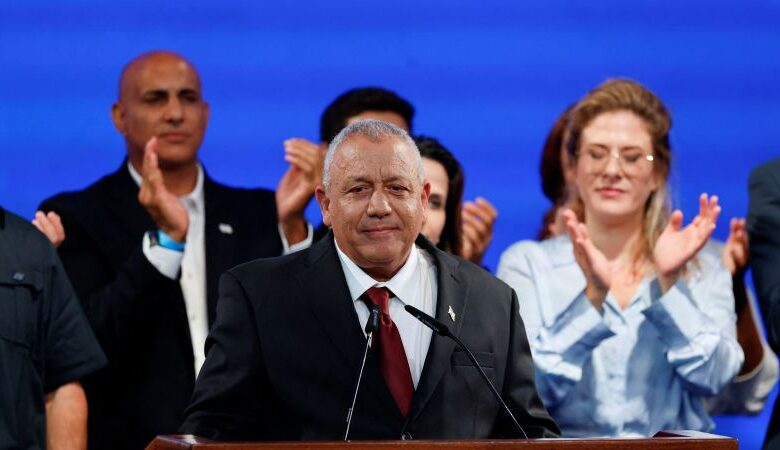
Herzog granted the mandate on Sunday following consultations with all elected parties. The President cited “immense” challenges facing the state, including the need to manage the “day after the war” in Gaza and navigate a “new political situation” in the United States. Herzog specifically referenced the recent US midterm elections, noting the rise of political figures critical of Israel’s military support. “The State of Israel needs a stable government,” Herzog said, emphasizing the urgency of the political transition.
Eisenkot secured the support of 67 members of the incoming 120-seat Knesset, including 19 representatives from the two Arab-led parties. In contrast, Netanyahu received recommendations from only 46 members. A notable fracture in Netanyahu’s coalition bloc occurred when United Torah Judaism, a traditional ally, declined to recommend him. Despite the numerical advantage, Eisenkot’s path to power is complicated by internal opposition divisions and the strategic exclusion of certain parties from his proposed cabinet.
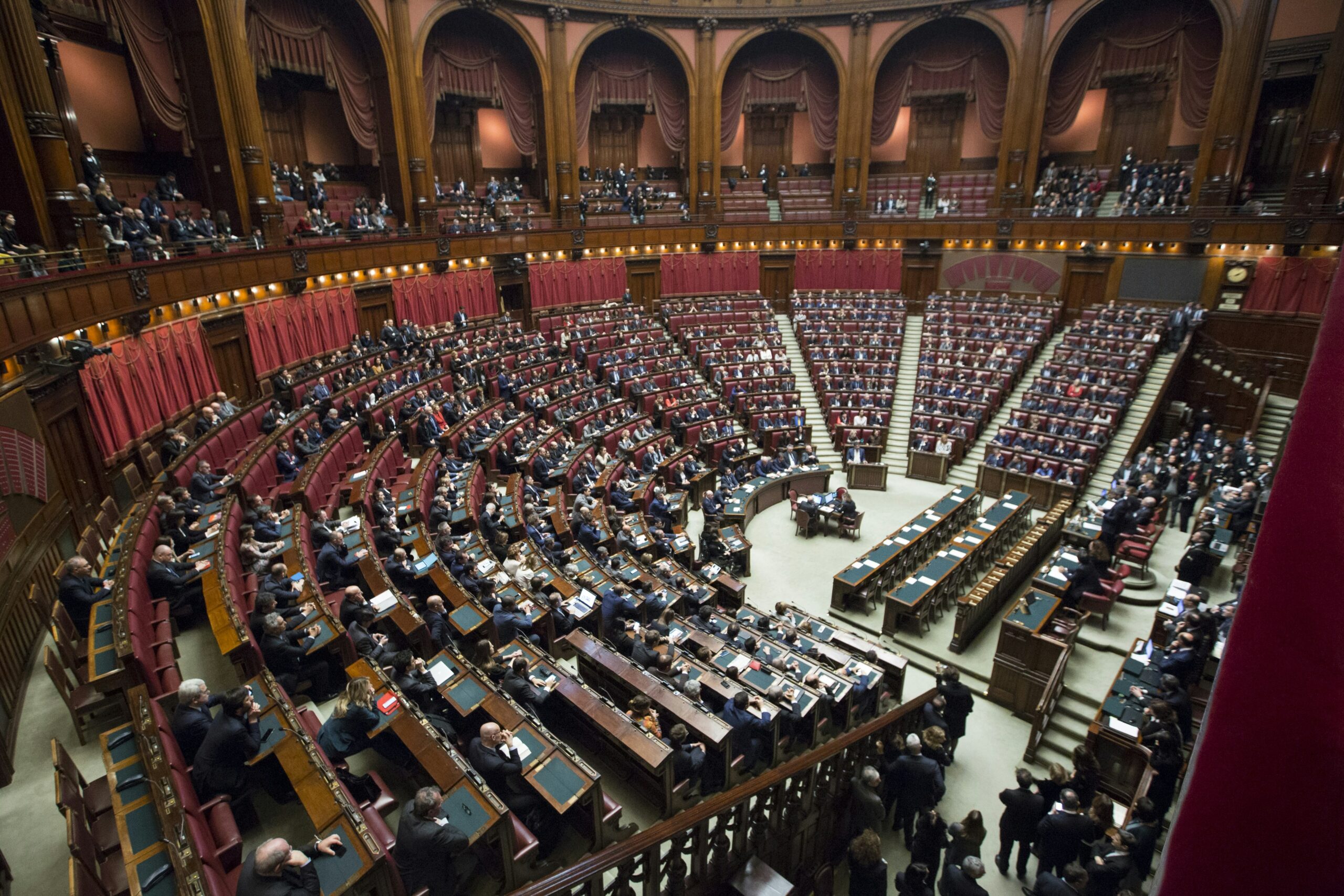
Eisenkot is pursuing a “national emergency government,” initially planning to swear in a minority cabinet comprising the four Jewish opposition parties: Yashar, Together, Yisrael Beiteinu, and the Democrats. These parties hold a combined 48 seats. To ensure stability, Eisenkot has set four conditions for participation, including recognizing Israel as a Jewish, democratic, liberal, and egalitarian state and designating Hamas as a terrorist organization. The final condition effectively bars Arab-led parties from sitting in the cabinet, though they may support the government from the outside to provide a parliamentary safety net.
The central obstacle for Eisenkot appears to be Avigdor Liberman, leader of Yisrael Beiteinu, whose support is critical for achieving the 61-seat majority required to dissolve the current government. While Eisenkot has stated he is open to including Netanyahu and even far-right Finance Minister Bezalel Smotrich in a unity government, he faces the risk that Netanyahu could use his remaining time as caretaker to derail the process. Al Jazeera’s Nour Odeh noted that Netanyahu remains in office as caretaker PM and could potentially force new elections if Eisenkot fails, a scenario critics argue Netanyahu may be seeking to prolong his tenure.

The political landscape is further complicated by the stance of the ultra-Orthodox parties, United Torah Judaism and Shas. Winning over both would give Eisenkot exactly 61 seats, but United Torah Judaism’s refusal to recommend him signals potential resistance. If Eisenkot cannot form a stable majority, he may attempt to win a confidence vote with fewer than 61 seats, a high-risk strategy given the current polarization. The next critical step is whether the opposition can unify behind a single cabinet before the six-week deadline expires.



3 Comments