
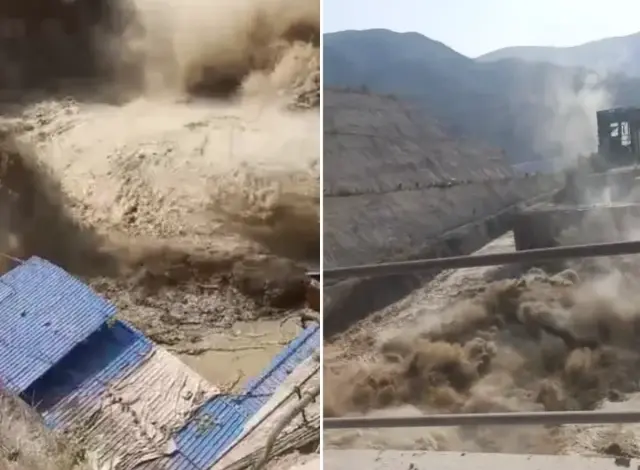
This incident does not occur in a vacuum of dry land; it unfolds within the context of a reservoir at its seasonal peak. At the time of the breach, the water level at Tarbela Dam had climbed to 1,484.20 feet, sitting 82 feet above its dead level of 1,402 feet. The dam administration reports that inflows into the reservoir stand at a massive 236,800 cusecs (cubic feet per second), while outflows are regulated at 157,700 cusecs. This imbalance means the reservoir is still filling, creating significant hydrostatic pressure on the surrounding infrastructure and the ongoing expansion projects. Haripur Deputy Commissioner Waseem Ahmed, who visited the site immediately following the incident, confirmed that the water entered the tunnel specifically after the protective bund gave way. He noted that a high-level inquiry has been launched to determine whether the failure was due to a structural weakness or a technical fault, with senior officers, engineers, and the contractor currently assessing the situation.
Despite the localized disruption at the T-5 extension, the broader energy output of the Tarbela complex remains robust. All 17 power generation units at the main dam are fully operational, currently generating 4,370 megawatts (MW) of electricity against an installed capacity of 4,980 MW. WAPDA, the Water and Power Development Authority, issued a statement clarifying that there is no damage to the main tunnel, the under-construction powerhouse, the tailrace culvert, or the switchyard. They emphasized that the water from the Intake Pit has been completely drained and that no further water is entering the downstream work sites, with dewatering operations from the powerhouse area already underway. This distinction is critical for grid reliability; the incident is contained to the extension project’s excavation phase, not the active generation infrastructure that supplies the national grid.
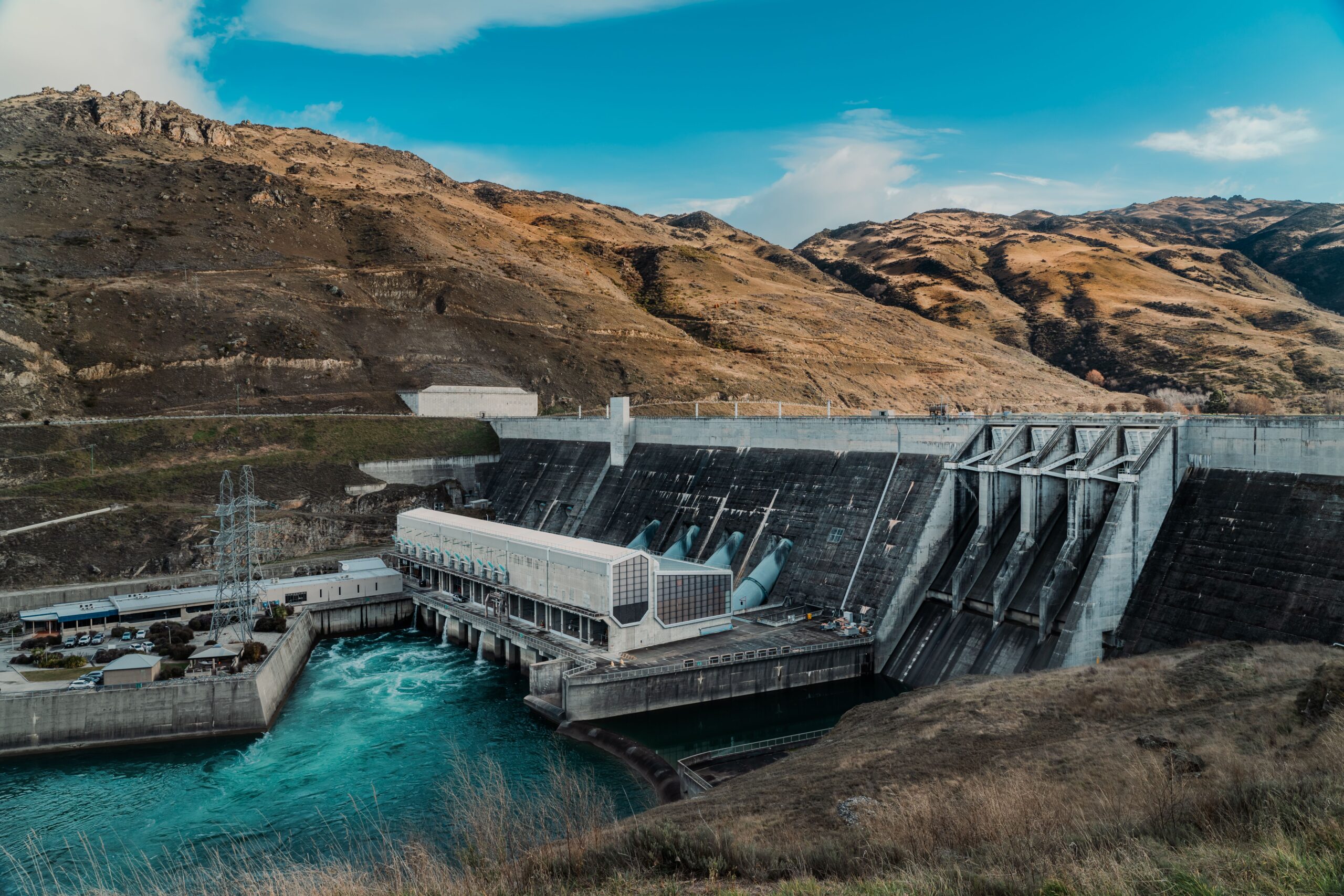
The surge in water levels at Tarbela is part of a nationwide monsoon phenomenon that has strained reservoir management systems across Pakistan. As of July 21, 2026, the country’s water reservoirs have accumulated 6.257 million acre-feet (MAF) of water, a significant portion of the total live storage capacity of 13.149 MAF. Tarbela currently holds 3.395 MAF, while Mangla Dam has stored 3.011 MAF, and Chashma Barrage contains 0.121 MAF. The Indus River System Authority (IRSA) reports that combined inflows into major reservoirs have reached 507,700 cusecs, while total outflows are managed at 361,500 cusecs. Authorities are actively regulating these releases to balance irrigation requirements with the need to prevent overflow, describing the conditions at both major reservoirs as “flood-like.” This operational caution is necessary to safely manage the rising inflows while maximizing water conservation for the coming months.
However, the management of these waters is complicated by a geopolitical constraint: the absence of upstream hydrological data from India. Following the suspension of information sharing under the Indus Waters Treaty, Pakistani water managers are operating without real-time data on flows from the eastern rivers. This lack of transparency adds a layer of uncertainty to reservoir operations, particularly during the peak monsoon period when flow variations can be rapid and unpredictable. An IRSA official noted that despite the heavy inflows, releases downstream of Kotri Barrage have been kept at minimal levels, with only 0.138 MAF released between April 1 and July 21, primarily to check seawater intrusion in the Indus delta. Downstream releases are expected to increase substantially in the coming days as river flows continue to improve, a move that will likely boost hydropower output further but also requires precise coordination to avoid downstream flooding.
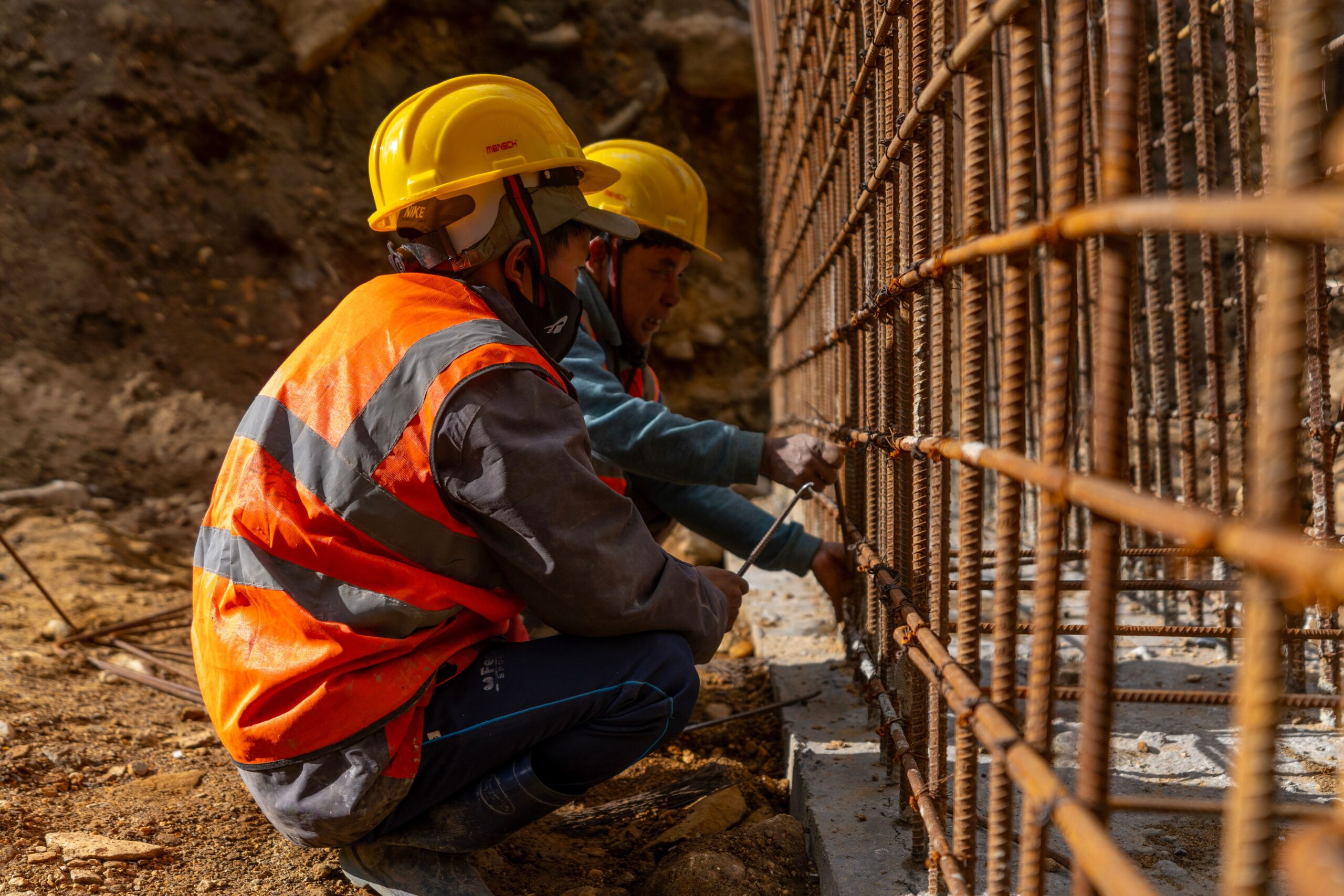
The T-5 incident serves as a stark reminder of the physical risks inherent in large-scale hydropower development, particularly during periods of extreme hydrological stress. The suspension of work will delay the addition of new generation capacity to the grid, a project intended to bolster Pakistan’s energy security and reduce reliance on imported fuels. The investigation into the bund breach will determine if the design adequately accounted for the specific rock mass conditions and water pressures encountered during the monsoon peak. For now, the focus remains on the immediate safety of the work site and the stability of the existing infrastructure. The dewatering efforts continue, and the grid operators maintain their output at near-capacity levels, relying on the robustness of the original Tarbela complex while the extension project lies dormant under the scrutiny of the inquiry board.
Back at the excavation site, the water has been drained, and the silence is absolute. The workers have been evacuated, and the heavy machinery stands idle in the mud. The next verified development will come from the high-level inquiry, which must establish the technical cause of the bund failure. Until then, the T-5 project remains paused, a frozen moment in a larger story of Pakistan’s struggle to balance energy expansion with the unpredictable power of the monsoon rains. The reservoir continues to rise, inching closer to its full level of 1,550 feet, holding the promise of increased energy generation but also the weight of heightened operational risk.