
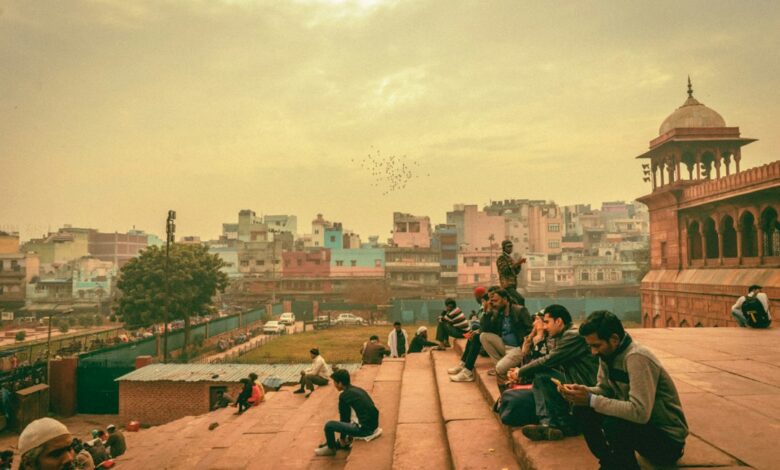
The smog was directly linked to the extensive use of fireworks during the Diwali festivities. The overnight display contributed to the accumulation of pollutants and particulate matter, creating a dense layer of haze over the city by morning. This development highlights the seasonal impact of large-scale celebratory events on urban air quality in the region.
Diwali is a major Hindu festival known for the widespread lighting of lamps and fireworks, which are traditional elements of the celebration. In New Delhi, these practices often coincide with meteorological conditions that can trap pollutants near the ground, exacerbating the visibility of the smog. The immediate aftermath of such events typically sees a sharp rise in local air pollution levels, as observed in the morning following this year’s festivities.
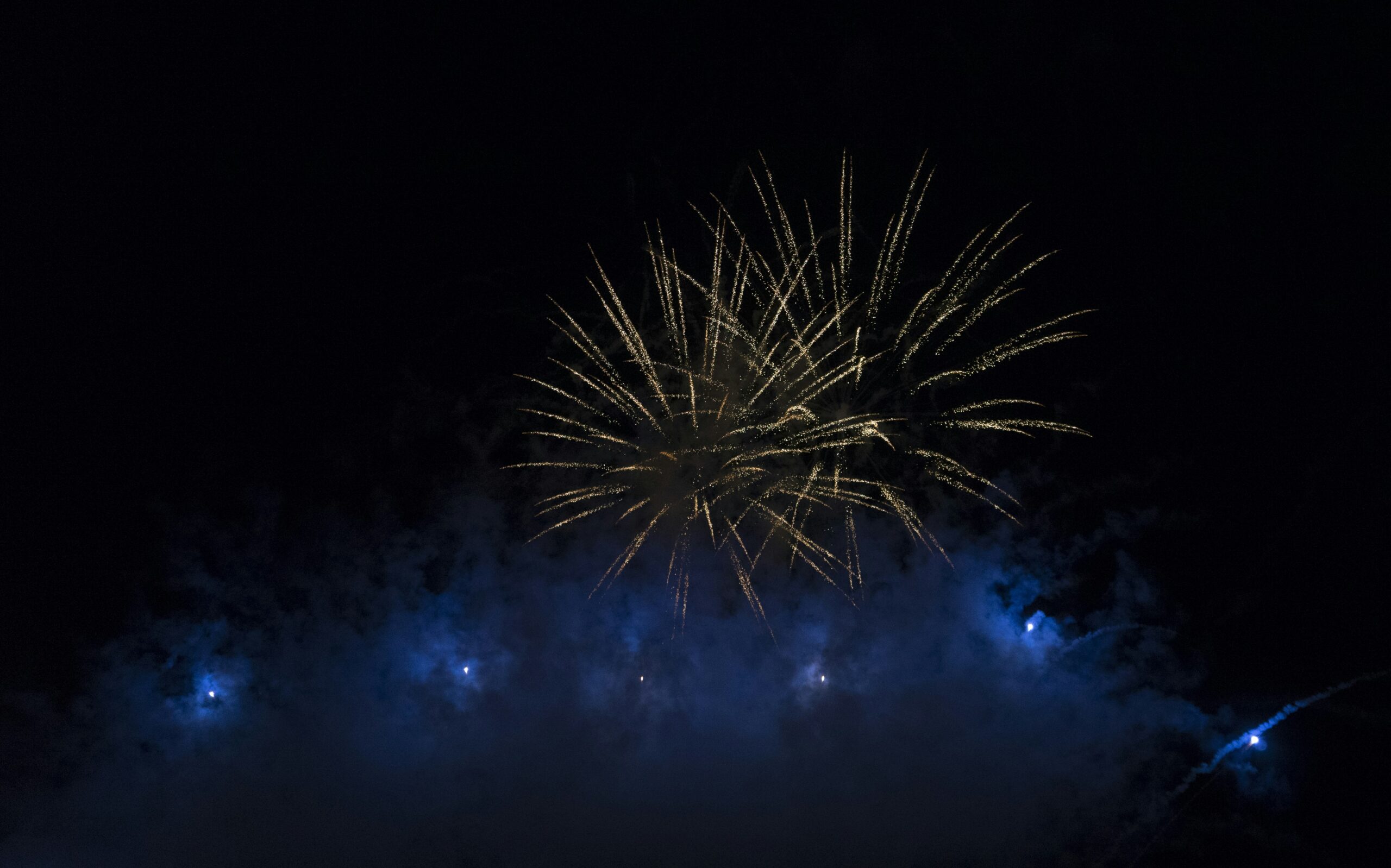
The situation in New Delhi serves as a focal point for discussions on the environmental impact of traditional celebrations. While the specific concentration levels of pollutants were not detailed in the initial reports, the physical presence of the smog was widely noted across the city. Authorities and residents are monitoring the air quality as the haze persists, with the primary cause identified as the fireworks used during the Diwali night.


One Comment