
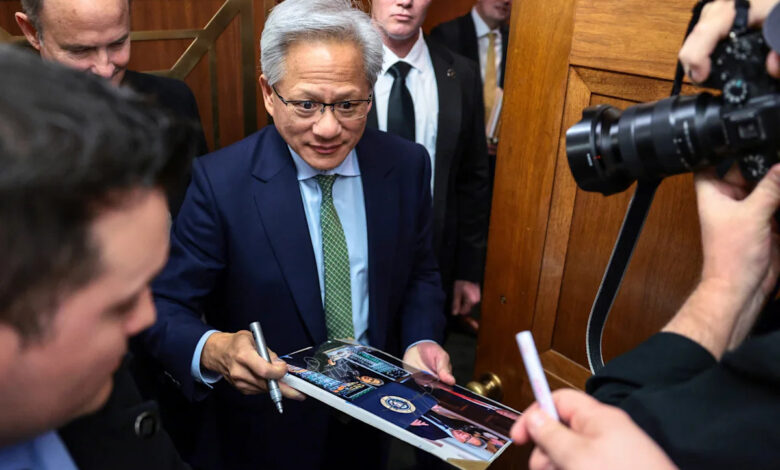
The announcement landed in a turbulent period for the global semiconductor giant. Nvidia shares fell 5% in premarket trading on Monday, reflecting immediate market anxiety over the CEO’s personal conduct and its potential implications for corporate governance. However, this dip is part of a larger, more structural decline in the stock’s valuation. Over the month prior to the news of Huang’s affair, Nvidia’s share price had already fallen by 22%, erasing approximately $200 billion in market value. This decline was driven not just by the personal scandal, but by a broader reassessment of the artificial intelligence (AI) boom’s economic sustainability.
Financial analysts point to a dramatic compression in Nvidia’s price-to-earnings (PE) ratio as the primary indicator of shifting investor sentiment. The company’s PE ratio has collapsed to approximately 13 times earnings. This figure is roughly 40% below Nvidia’s median trough PE ratio of 22 times, a level typically associated with more mature, lower-growth industrial companies rather than high-growth technology leaders. Mark Lipacis, an analyst at Evercore ISI, noted that Nvidia is now trading at levels that make the Philadelphia Semiconductor Index (SOX) look comparatively expensive, referencing the index’s own 30% drop in the last month.
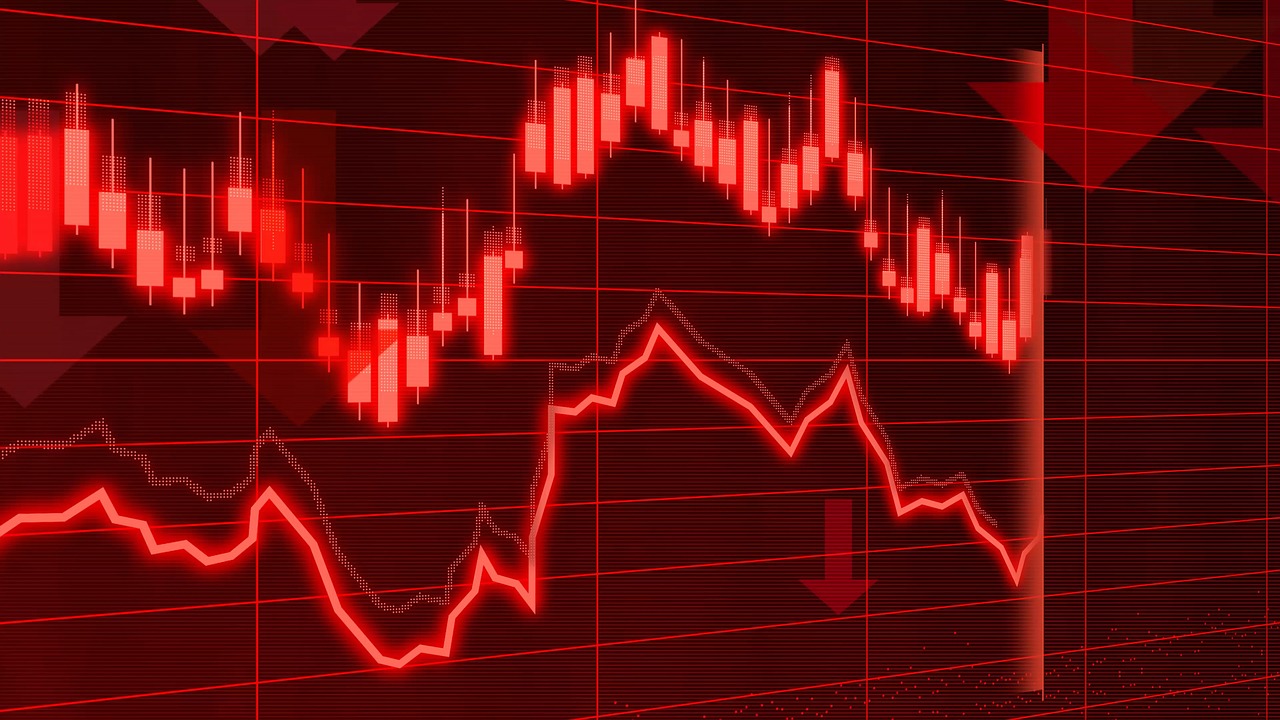
The valuation squeeze is fueled by several converging factors. First, there is growing scrutiny of the capital expenditure (capex) commitments by major hyperscalers such as Alphabet, Meta, and Amazon. These companies are investing heavily in AI infrastructure, but their free cash flow is tightening. Investors are increasingly questioning whether the projected growth in AI revenue justifies the current levels of spending, fearing that these tech giants may need to cut back on capex in 2027 to appease shareholders. A reduction in capex would directly translate to fewer orders for Nvidia’s AI chips, potentially impacting the company’s future revenue streams.
Second, the geopolitical landscape remains a critical risk factor. The investigation into Huang’s personal life has intensified focus on export control compliance, particularly regarding the flow of Nvidia’s H200 chips into China. While China has publicly rejected claims that it spied on Huang, labeling them “baseless,” the incident has raised questions about data security and regulatory oversight. For investors, the key concerns are no longer just about product demand but about governance implications, increased regulatory scrutiny, and the potential for stricter enforcement of export controls that could limit Nvidia’s access to the Chinese market.
The situation has also highlighted a shift in Nvidia’s market position. After losing its spot as the world’s most valuable company to Apple, analysts are examining historical patterns regarding “No. 1” stocks. The loss of the top valuation spot often coincides with a period of re-rating for the displaced company. In Nvidia’s case, the combination of a personal scandal involving the CEO, a sharp correction in valuation metrics, and macroeconomic concerns about AI spending has created a “dark cloud” over the firm that was previously viewed with near-immunity from negative news.
Currently, the distinction between company claims and independent verification is crucial. While Nvidia maintains that its business operations are unaffected, the board’s independent investigation is a formal step that suggests the allegations are being treated as a potential governance issue rather than a mere personal matter. The outcome of this probe could have lasting implications for Huang’s tenure and the company’s compliance posture. Until the investigation concludes, the market is likely to remain cautious, pricing in both the immediate PR risk and the longer-term structural challenges facing the AI sector.
The next confirmed development to watch is the conclusion of the board’s independent investigation, which will determine if any governance changes or compliance measures are implemented. Additionally, upcoming earnings reports from hyperscalers like Alphabet, Meta, and Amazon will be critical in confirming whether their AI capex strategies remain aggressive, providing a direct signal for the sustained demand of Nvidia’s hardware.



One Comment