Despite the positive annual trend, the data reveals a notable contraction in the most recent period. Financing volumes in Q3 2026 declined by 15 percent compared to the second quarter of 2026, falling from SR711 million to SR604 million. This sequential decrease suggests a temporary lull in mortgage origination activity following a stronger start to the year, with Q1 2026 recording SR585 million in new financing. Consequently, Q3 volumes remained 3.2 percent higher than the first quarter of 2026, indicating that the recent dip has not yet reversed the broader upward trajectory established earlier in the year.
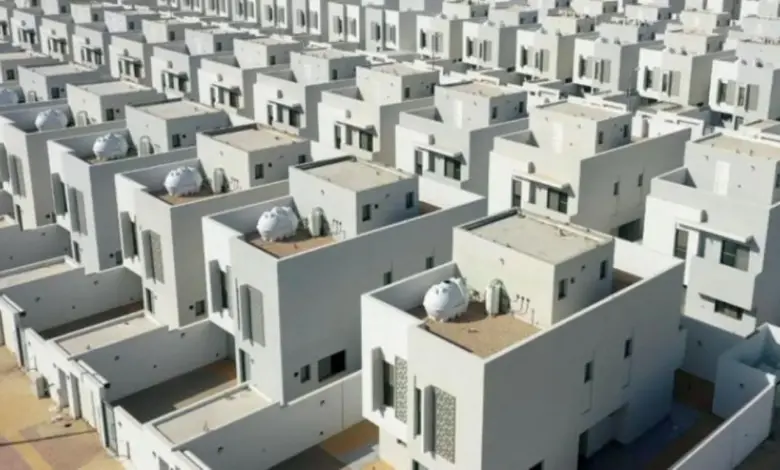
A breakdown by property type highlights shifting dynamics within the Saudi real estate market. Financing for villas, historically a significant component of mortgage portfolios, stood at SR210 million in Q3 2026. This marked a slight year-on-year decrease from SR211 million in Q3 2025 and a more pronounced sequential drop from SR269 million in Q2 2026. The decline in villa financing continues a trend observed in the fourth quarter of 2025, when villa financing totaled SR284 million, suggesting that demand for high-value standalone properties may be moderating relative to other segments.
In contrast, the apartment sector demonstrated resilience and growth. Financing for apartments rose to SR310 million in Q3 2026, up from SR295 million in the same period of 2025. While this figure was down slightly from SR332 million in Q2 2026, it represented a significant increase from SR279 million in Q1 2026 and SR353 million in Q4 2025. The apartment segment now accounts for the largest share of new mortgage financing, reflecting a continued shift toward urban living and potentially more affordable entry points for individual buyers.
The most striking change in the data is observed in the land sector. Financing for land parcels surged to SR84 million in Q3 2026, a substantial 58.5 percent increase from SR53 million in Q3 2025. This growth outpaced both the villa and apartment sectors on a year-on-year basis. However, the land sector also experienced a sequential decline, falling from SR111 million in Q2 2026 and SR100 million in Q4 2025. The volatility in land financing volumes may indicate speculative activity or specific project-driven demand that fluctuates quarter to quarter, rather than a steady structural trend.
The SAMA report underscores the importance of distinguishing between annual growth and sequential momentum. While the 8 percent year-on-year rise confirms that the mortgage market is expanding relative to last year, the 15 percent drop from Q2 2026 signals recent headwinds in credit extension. Economists and market observers will likely scrutinize whether the Q4 2026 data will show a rebound from this sequential dip or if the cooling in villa and land financing persists. The divergence between the strong year-on-year performance in apartments and the softer trend in villas suggests a bifurcation in the market, where demand is concentrating in high-density urban housing rather than expansive residential properties.
The data, released by SAMA, provides a snapshot of the individual mortgage market, which is a key indicator of consumer confidence and housing affordability in Saudi Arabia. The current figures reflect the interplay between interest rates, supply availability, and buyer preferences. As the Kingdom continues its economic diversification under Vision 2030, the structure of mortgage financing remains a critical component of the real estate sector’s stability. The next SAMA statistical bulletin will be crucial in determining whether the Q3 2026 contraction is a temporary seasonal adjustment or the beginning of a broader slowdown in residential credit growth.