
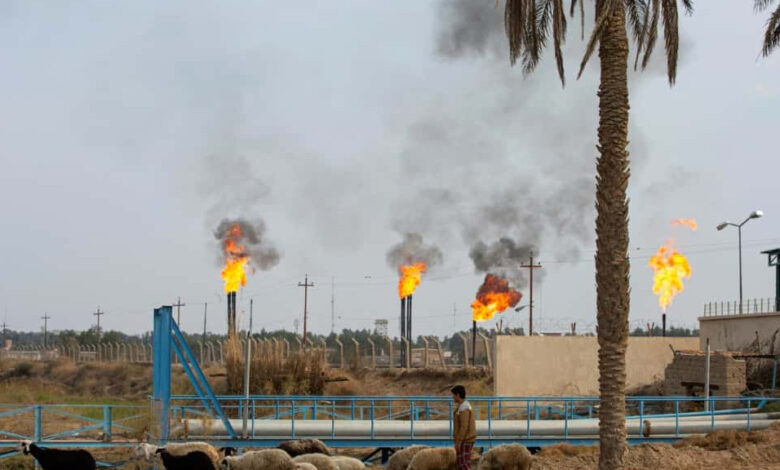
Shortly after Khudair placed Iraqi production above 5 million bpd, the Oil Ministry reaffirmed Iraq’s commitment to the 4.431 million bpd ceiling. The ministry stated that October production had increased but provided no specific figure. Baghdad has spent months attempting to persuade OPEC to recognize substantially more Iraqi production capacity. Iraq is seeking a future baseline based on a capacity of around 6 million bpd, while OPEC is independently assessing members’ maximum sustainable production capacity as it prepares its 2027 production framework. In September, Iraq reported production of 4.399 million bpd to OPEC, before the Oil Ministry reported a further increase in October without providing a figure.
Khudair argued that Iraq remained compliant with OPEC because its exports were within what he described as the group’s “export ceiling.” However, this distinction does not resolve the accounting discrepancy. Iraq’s 4.431 million bpd OPEC+ requirement is defined as a production target, not an export target. OPEC’s rules are explicit on this point: compliance is assessed using crude oil production, based on estimates from independent secondary sources. While OPEC+ has occasionally allowed individual countries, such as Russia, to make commitments based partly on exports, creating a complicated collection of cuts and targets, Iraq’s current requirement applies strictly to crude production.
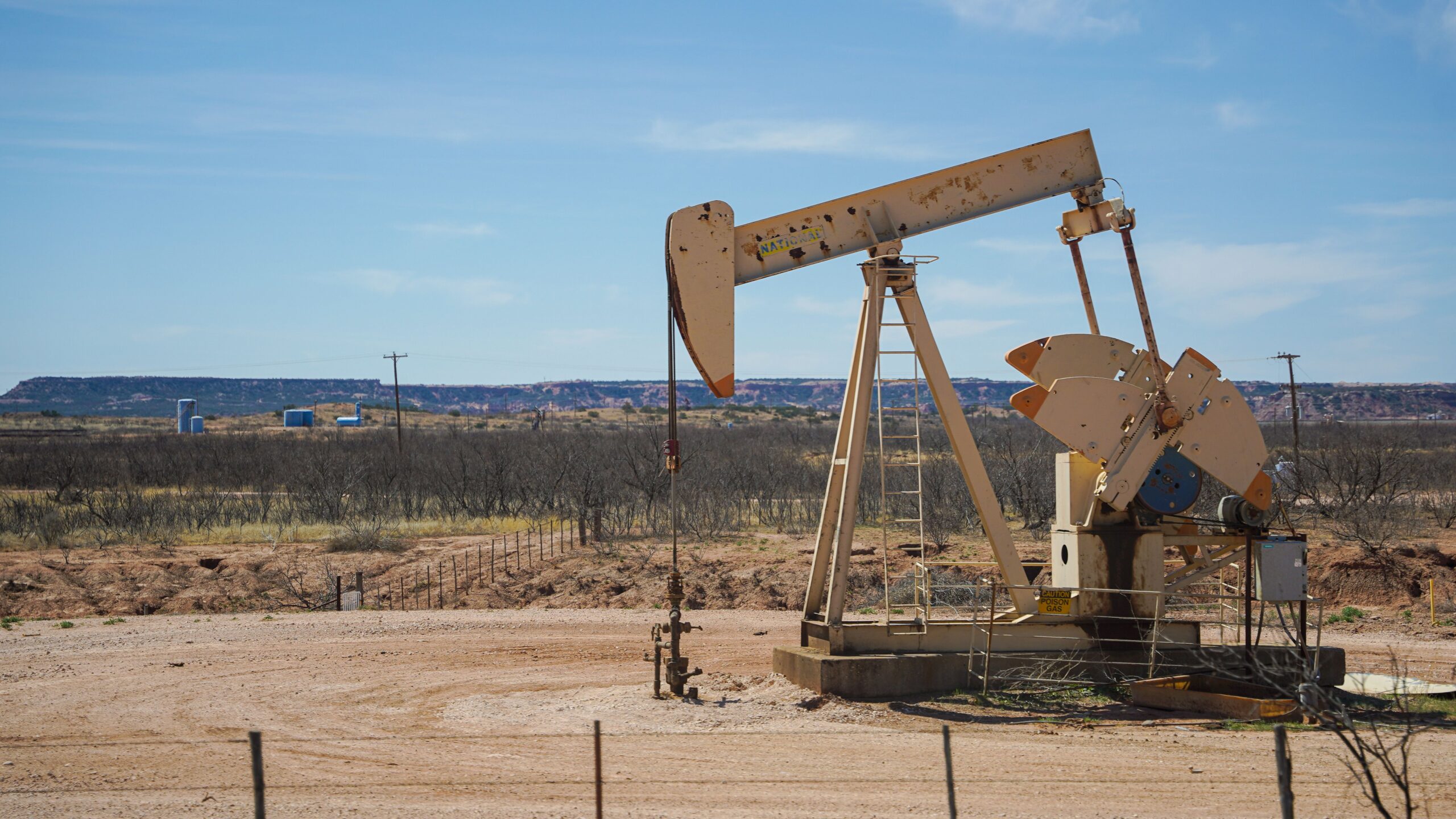
For Iraq, the difference between exports and production is significant. Crude produced in the country can be exported, domestically refined, consumed directly for power generation, or moved into storage. Therefore, Iraq could export less than 4.431 million bpd and still produce more than its OPEC+ requirement. If Khudair’s figure of more than 5 million bpd refers to crude production as OPEC defines it, it would put Iraqi output at least 569,000 bpd above the nominal requirement. OPEC does not simply use Baghdad’s reported production number when assessing compliance; it relies on estimates from independent secondary sources, which can differ substantially from Iraq’s own figures. Consequently, Khudair’s statement does not establish that OPEC itself will record Iraqi production above 5 million bpd, nor does his reference to exports explain how production above that level would comply with a production-based requirement.
The context of the U.S.-Iran war has radically changed the relationship between production and exports across the Gulf. For months, Iraq, Saudi Arabia, and Kuwait have been producing below their OPEC+ allowances as the closure of the Strait of Hormuz and continuing shipping disruptions restricted Gulf exports. This situation raises the question of whether OPEC has implicitly shifted its focus from how much oil members produce to how much they can actually export. So far, there is no direct indication that such a shift has occurred. OPEC’s Joint Ministerial Monitoring Committee (JMMC) addressed the disruption to international maritime routes in October but continued to assess members using crude oil production data and adherence to production adjustments. On October 12, OPEC ministers noted that unprecedented shipping and insurance costs were impeding crude and product flows, but they did not announce any change in the way compliance is measured. On November 1, with Gulf exports still severely constrained by the war, OPEC+ maintained its existing production requirements for December and called for full conformity. Reuters reported that the group was still struggling with export disruptions caused by the war even as it kept production targets unchanged.

Khudair’s production figure is also difficult to reconcile with the independent data available. Iraq reported crude production of 4.399 million bpd to OPEC in September, meaning output would have had to rise by at least 601,000 bpd in October or early November to reach the level Khudair described. The International Energy Agency (IEA) estimated September production considerably lower, at 4.10 million bpd. The IEA also estimated Iraq’s sustainable production capacity at 4.87 million bpd, a figure below the level Khudair now claims the country is actually producing. Exports, however, certainly recovered. According to Iraqi energy officials cited by Reuters, Iraq shipped about 3.5 million bpd in October, up from 2.65 million bpd in September. At that export rate, if production were indeed above 5 million bpd, more than 1.5 million bpd would need to be accounted for by refinery intake, domestic crude use, inventory changes, and other movements.
The missing number is October production. OPEC has yet to publish its first secondary-source estimate for the month, leaving no independent OPEC production figure that confirms the increase Khudair described. Until that data is released, the gap between Baghdad’s political claims and the group’s technical compliance metrics remains unresolved. The discrepancy highlights the tension between national ambitions for higher baselines and the rigid, production-based accounting methods that have long underpinned OPEC’s stability. As the group finalizes its 2027 framework, the definition of what counts as compliant production may become as contested as the volume itself.



One Comment