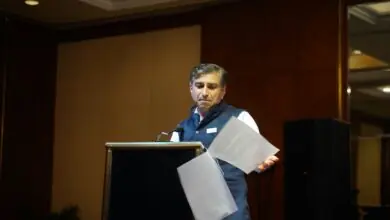
In the video, Sulkin stated that El-Sayed, the first Muslim American to serve in the U.S. Senate, gave his acceptance speech in Arabic. However, a community note on the platform contradicted this claim, stating that El-Sayed used only four Arabic words in his speech, representing 0.27 percent of the total words spoken. The note clarified that the rest of the address was delivered in English.
On Friday, two days after the video was posted, The Free Press acknowledged the error. “This post and opinion video states that Abdul El-Sayed gave his acceptance speech in Arabic. That’s not accurate,” the outlet wrote on X. “In fact, he said a few phrases in Arabic, but the majority of his speech was in English. The Free Press regrets the error.” Sulkin’s original video drew over one million views on X before the correction was issued.
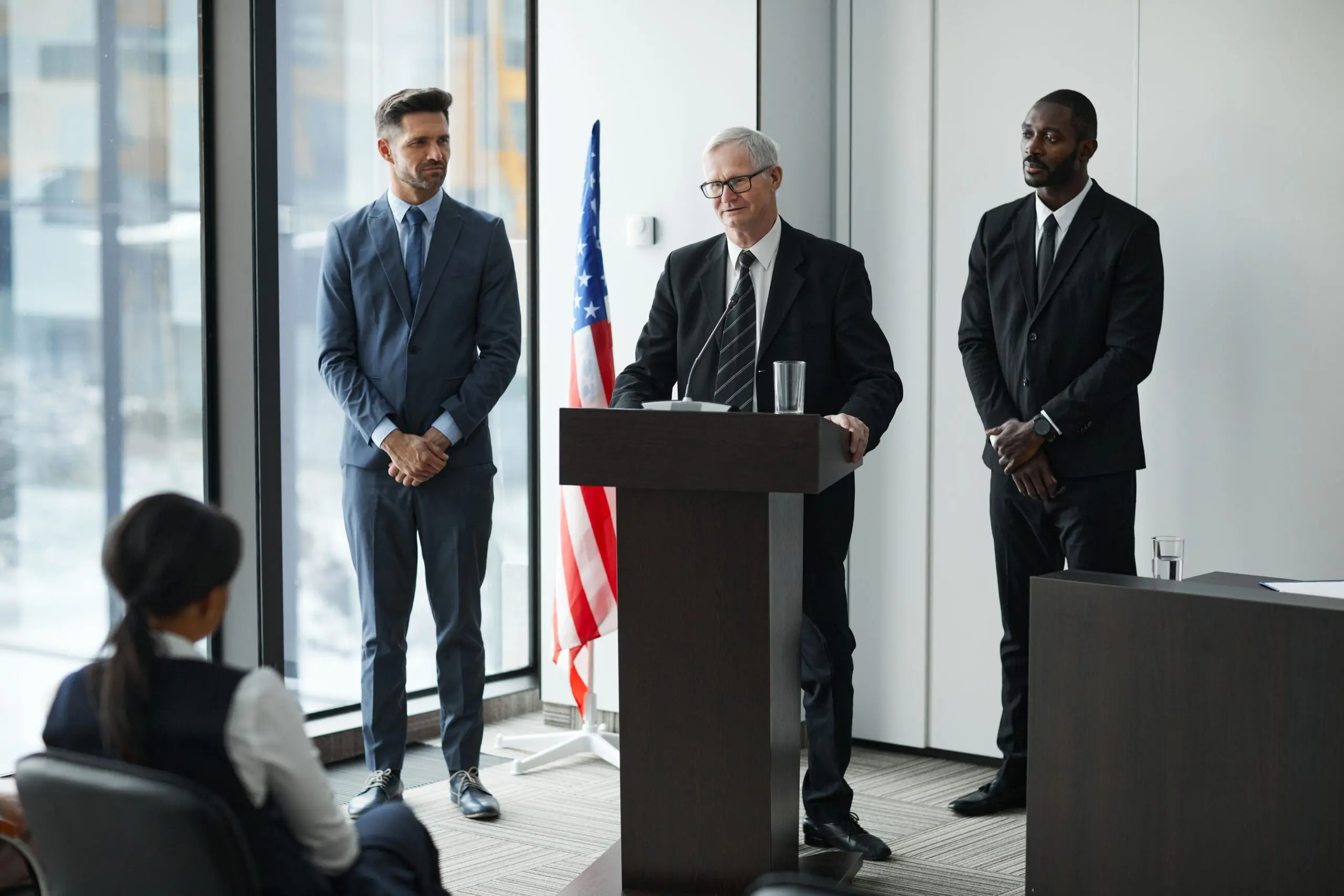
The controversy centers on a clip of El-Sayed speaking at his victory celebration in Detroit. In the footage, he primarily speaks in English but uses two Arabic expressions: “inshaAllah” (God willing) and “alhamdulillah” (praise be to God). He also referred to Vice President JD Vance as “habibi” and pronounced his full Arabic name. Sulkin characterized these moments as the senator giving his victory speech in Arabic, a claim that was flagged by users on the social media platform.
This incident follows a separate report by Vanity Fair that another staffer at The Free Press, Olivia Reingold, used artificial intelligence to alter a photograph taken at an election party hosted by the Michigan Democratic Party. Reingold admitted on X that she used ChatGPT to brighten and sharpen an image of a woman wearing Valentino shoes and a Chanel bag. The Free Press’s chief of staff, Sean Fischer, defended Reingold in response to the report.
The Free Press is known for coverage that challenges progressive ideas. It was acquired by Paramount Skydance, the parent company of CBS News, in 2025 for a reported $150 million. Weiss, who is now the editor-in-chief of CBS News, has faced accusations from network insiders of steering coverage to favor the Trump administration and Israel. In a statement to The Wall Street Journal in June, Weiss described such accusations as “editorial interference,” asserting that it is “in reality the job description of an editor in chief.”
Separately, the political context of El-Sayed’s victory was highlighted by Abdullah Hammoud, the mayor of Dearborn, Michigan. Speaking to NPR, Hammoud noted that Dearborn, the first Arab-majority city in the U.S., saw record-breaking voter turnout to elect El-Sayed. Hamoud stated that residents were motivated by El-Sayed’s focus on the economic concerns of working-class families, including gas prices, grocery bills, and utility costs. He emphasized that El-Sayed’s message resonated with voters who believed in an America “big enough for all of us,” regardless of religious or ethnic background.