

Bertulazzi, who was born in the Veneto region and moved to Genoa in the early 1960s, is legally defined in Italian courts as a convicted criminal rather than a fugitive awaiting trial. He was found guilty of participating in the kidnapping of Pietro Costa, a naval engineer from one of Genoa’s wealthiest ship-owning families, in January 1977. According to Italian investigative records, Bertulazzi was part of the Red Brigades’ “March 28” Genoa section. The kidnapping involved the abduction of Costa near his home in Castelletto, where armed men seized him and forced him into a Fiat 132. The group initially demanded a ransom of 10 billion lire, a sum that was negotiated down to 1.5 billion lire. Costa was held for 81 days before being released bound hand and foot in early April 1977.
The legal significance of the Costa case extends beyond the individual victim. Italian prosecutors have established that the funds obtained from the ransom were used to finance broader terrorist activities. Specifically, 50 million lire from the payout was allegedly used to purchase an apartment in Rome. This location became the site of the Red Brigades’ most notorious operation: the 1978 kidnapping and murder of former Prime Minister Aldo Moro. Moro was held in the Rome apartment for 54 days before being killed; his body was discovered in the boot of a Renault car parked in the city center. While Bertulazzi’s specific conviction relates to the Costa kidnapping and membership in an armed gang, the connection to the Moro case underscores the gravity of the crimes attributed to the organization during the period known in Italy as the “Years of Lead.”
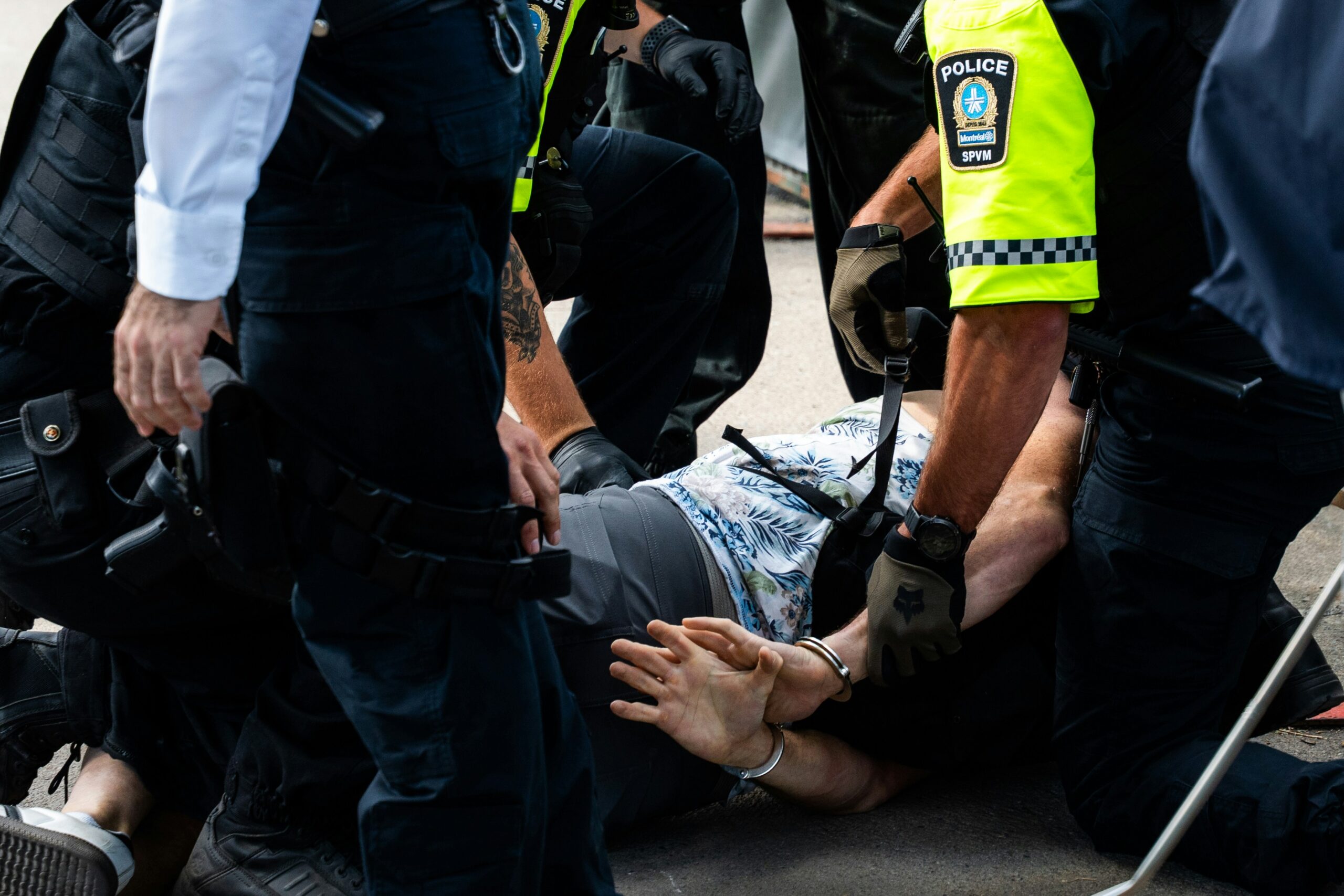
Bertulazzi’s path to the Argentine Supreme Court was neither straightforward nor linear. He had been on the run since 1980. The first major legal intervention occurred in 2002, when Buenos Aires police arrested him following a joint investigation with Interpol and Italian authorities. However, he was released eight months later. The legal obstacle at that time was a domestic restriction: Argentine law at the time did not permit extradition in cases where the defendant had been convicted in absentia. Following this release, Bertulazzi was granted refugee status by Argentina’s National Commission for Refugees (CONARE) in 2004, a status that effectively shielded him from deportation and allowed him to reside in the country for two decades.
The legal landscape shifted with the arrival of President Javier Milei. The Argentine government revoked Bertulazzi’s refugee status, a move cited in official statements as a response to the nature of the crimes he committed. The government stated that Bertulazzi was “responsible for crimes that undermined democratic values and the lives of many victims.” This revocation triggered a new extradition request from Italy. In August 2024, Argentine authorities arrested Bertulazzi in Buenos Aires. Italian police officers were present during the capture, highlighting the collaborative effort between the two nations’ security services. Following his arrest, Bertulazzi was placed under house arrest in a flat in the city center while his lawyers appealed the extradition order to the National Commission for Refugees and domestic courts.
The period between his 2024 arrest and the 2025 Supreme Court ruling was marked by a significant procedural development. In November 2026, reports indicated that Bertulazzi had absconded from his house arrest. The Directorate-General for Criminal Intelligence issued an urgent alert to locate him. His escape followed a decision by Argentine lower courts to reject his lawyer’s latest appeal against extradition. It is noted that Interpol was already prepared to take custody of him for transfer to Italy, suggesting that the logistical framework for his return was in place despite his flight. His subsequent recapture was necessary to enforce the Supreme Court’s final approval of the extradition.

The approval of extradition by the Argentine Supreme Court represents a departure from the legal stance taken in 2002. By approving the transfer, the court has effectively addressed the previous legal barrier regarding in-absentia convictions, likely based on the principle that the defendant can now be brought to face the sentence or potentially request a retrial, depending on Italian procedural law. The decision aligns with broader international cooperation efforts, as acknowledged by Italian Prime Minister Giorgia Meloni, who expressed gratitude to Argentine authorities for the “intense and fruitful collaboration” that made the detention possible. The case also highlights the differing judicial approaches to such matters in Europe; for instance, attempts to extradite other former Red Brigades members from France have faced different outcomes in those courts.
As the extradition process moves forward, the focus shifts to the execution of the transfer. Bertulazzi’s lawyers have utilized every available legal avenue, from appeals to CONARE to challenges in the domestic courts, but the Supreme Court’s ruling stands as the final domestic authority on the matter in Argentina. The next confirmed legal step is the physical transfer of Bertulazzi to Italian custody, where he will face the 27-year prison sentence for which he has been held responsible for decades. The case concludes a chapter in the international pursuit of fugitives from the 1970s, demonstrating how changes in domestic immigration and extradition policies can reactivate dormant legal cases.