
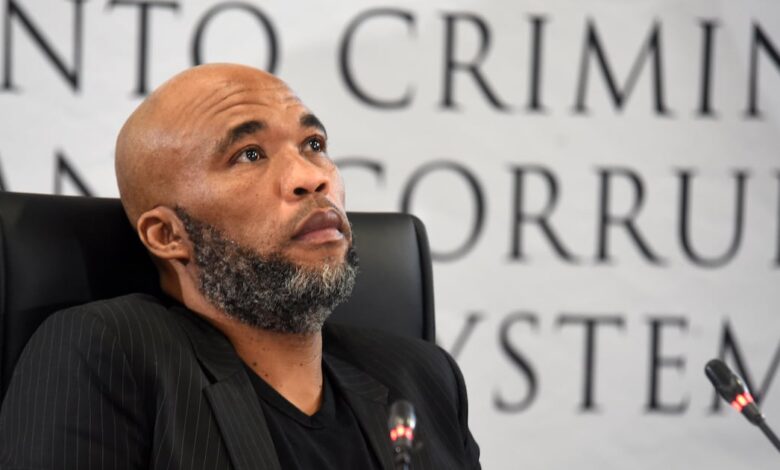
Procedural Context and Legal Disputes
The resumption of hearings occurs against the backdrop of a fresh legal dispute. Following the collapse of a plea and sentence agreement in a separate criminal case involving Matlala, the Commission chairperson issued a directive on Saturday. This order requires evidence leaders and Matlala’s legal team to submit written arguments concerning Section 105A, subsection 10, of the Criminal Procedure Act (CPA). This specific provision addresses the legal implications and evidentiary consequences when a plea and sentence agreement falls away, a critical juncture that may influence the admissibility and weight of evidence presented or previously recorded in related proceedings.
The Commission’s process involves both public and private sessions. Since October 5, the inquiry has heard from several witnesses in camera (in closed session), a procedural measure adopted due to the ongoing nature of related investigations and the confidential character of certain material. While these closed sessions protect the integrity of active law enforcement matters, the public hearings provide a transparent forum for examining the testimony of key figures like Matlala.
Testimony and Alleged Inconsistencies
A focal point of the Commission’s scrutiny has been the consistency of Matlala’s testimony across different forums. On Tuesday, the Commission highlighted specific inconsistencies between Matlala’s earlier testimony before Parliament’s ad hoc committee and the evidence he has provided at the inquiry. One documented discrepancy concerns the reason for Matlala’s attendance at an engagement party held at the home of Shadrack Sibiya, the former deputy police commissioner. The Commission’s role in such inquiries is often to reconcile conflicting narratives and establish a factual record, and these identified contradictions are likely to form a central part of the cross-examination and subsequent findings.
It is crucial to distinguish between the Commission’s investigative mandate and the adjudicative powers of a court of law. The Madlanga Commission is an inquisitorial body tasked with investigating matters of public interest, such as corruption and state capture. It does not have the power to try criminal cases, impose sentences, or determine criminal guilt. Findings made by the Commission, while authoritative in an administrative and policy context, are distinct from judicial convictions. Matlala remains an accused person in the legal sense until proven guilty in a court of law; the Commission’s proceedings do not alter his criminal status, though they may generate evidence or recommendations that inform prosecutorial decisions or legislative reforms.
Institutional Significance and Next Steps
The involvement of former senior police officials, such as Sibiya, in the narrative surrounding Matlala underscores the Commission’s focus on the intersection of organized crime and state institutions. The tender implicated in these proceedings, involving the SAPS, highlights the potential for financial irregularities within public security structures, a matter of significant public interest and constitutional concern regarding the rule of law and good governance.

The Commission is operating under a strict timeline, with its final report due to be delivered to President Cyril Ramaphosa by January 25, 2027. This deadline necessitates a rigorous pace of hearings and the thorough examination of evidence, including the written arguments on the CPA provisions requested from the legal teams. The outcome of these proceedings will not only shape the public record regarding the alleged activities of the cartel and its links to state officials but may also have practical consequences for institutional reform within the South African Police Service and the broader public sector.
The immediate next formal step involves the submission of the requested written arguments on the legal implications of the collapsed plea agreement, followed by the continuation of Matlala’s testimony. The Commission will continue to balance the need for transparency with the requirements of confidentiality for sensitive ongoing investigations, ensuring that the final report provides a comprehensive and legally grounded assessment of the matters under inquiry.