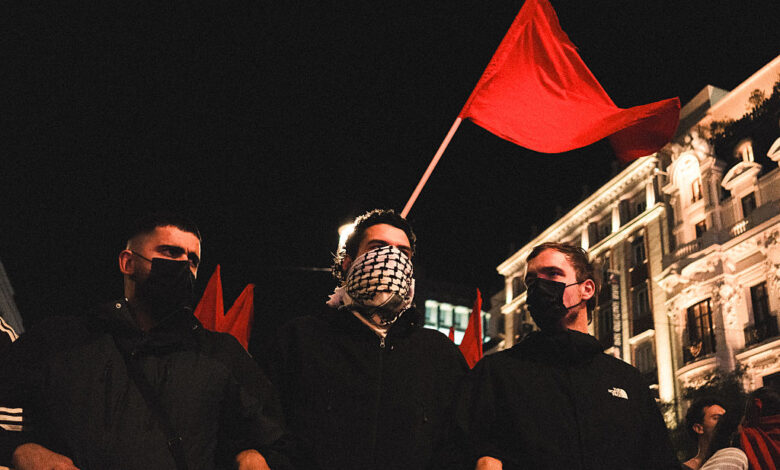
The strike is not an isolated event but the culmination of months of escalating social tension triggered by a specific, tragic incident in Madrid. In September, 87-year-old Maricarmen Abascal was forcibly evicted from her home after her corporate landlord increased the rent. Images of Abascal, who had lived in the property for seven decades, being removed on a stretcher circulated widely, striking a nerve that ignited nationwide demonstrations and encampments. These protests did more than voice discontent; they precipitated a political crisis that compelled Prime Minister Pedro Sánchez to call for snap elections on November 29. The strike, occurring just days before the vote, is viewed by analysts as a mechanism to ensure that the housing crisis remains the dominant theme in the final stretch of the campaign.
The statistical backdrop provided by the Bank of Spain highlights the scale of the emergency. The country currently has 750,000 fewer homes than it needs, a gap that is estimated to exceed one million units by 2028. For young Spaniards, the crisis is particularly acute. Data collated by the Spanish Youth Council indicates that average rents have skyrocketed to 1,176 euros ($1,318) per month, nearly matching the average salary of a young person, which stands at 1,190 euros ($1,333). Consequently, many are forced into overcrowded shared flats or to remain in their parents’ homes, delaying economic independence. UGT stated in a declaration that the working class can no longer afford housing, while CCOO emphasized that the situation prevents many young people from becoming independent.
The political significance of the strike is complex, intersecting with the strategic calculations of the ruling Socialist Workers’ Party (PSOE) and its opponents. Prime Minister Sánchez, while not explicitly endorsing the strike, has historically viewed social mobilization as a driver of political change. In a video message on Monday, he praised collective action, stating, “Your eight-hour working day. Your pension. Your public healthcare. None of this fell from the sky. They were collective achievements.” Political analyst Luke Stobart suggests that Sánchez is leveraging the strike to force the national debate back onto housing, a topic where his government claims to have a stronger social policy platform than the opposition. “He knows that if you have a general strike before elections, that will force everyone to talk about housing,” Stobart said.
However, the Sánchez government faces significant headwinds. The PSOE has experienced a decline in support due to its handling of the migration crisis in Ceuta and a series of corruption scandals involving the Prime Minister’s inner circle and family members. Furthermore, a deadly train crash in early November, which killed 69 people on a line where a similar accident occurred less than a year prior, has provided the conservative Popular Party (PP) and the far-right Vox with a potent narrative of government incompetence regarding transport safety. Transport Minister Oscar Puente, a senior PSOE figure and close ally of Sánchez, resigned in the wake of the disaster. Opinion polls currently show the PP leading, with the possibility of forming a coalition government with Vox, a prospect that has raised concerns among labor advocates and social policy supporters.
The immediate practical consequences of the strike are expected to be severe. The action will disrupt transport, schools, and healthcare services across the country. Lufthansa Group has warned of flight cancellations and delays to and from Spain, advising passengers to check flight statuses. Similar disruptions are expected for Renfe and high-speed AVE train services, as well as metro and local bus networks in major cities like Madrid and Barcelona. While minimum services will be maintained in essential sectors, shops, museums, and pharmacies may face closures or reduced staffing. The UK and US embassies in Spain have issued travel advisories, urging citizens to plan ahead, avoid areas of potential demonstrations, and expect last-minute changes to public transportation.
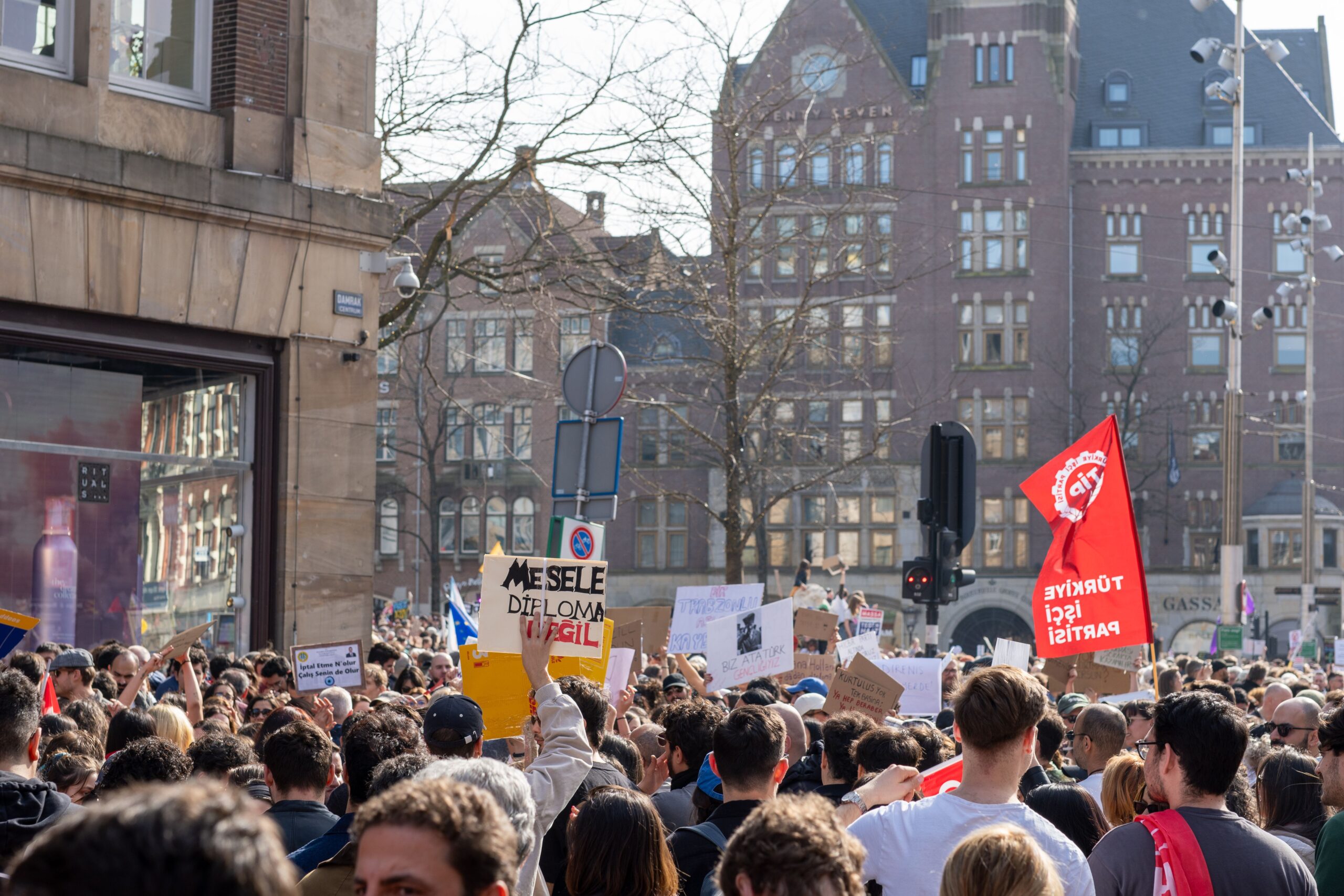
Within the protest movement itself, there are divergent perspectives on the nature and purpose of the strike. Mario Arguiriano, a member of the Marxist group Coordinadora Juvenil Socialista, argues that the strike is being co-opted for political campaigning by the major unions, whom he describes as “transmission cables for the state.” He advocates for a “class-based strike” against the capitalist system rather than one targeted at the political opposition. This view contrasts with the mainstream union position that frames the action as a necessary response to immediate material conditions. Regardless of these internal debates, the movement has cohered around a shared sense of urgency. Comparisons to the 15-M movement of 2011 have faded, replaced by a distinct political consciousness characterized by a greater openness to organized labor and socialist rhetoric, driven by the reality that today’s protesters are fighting for the ability to rent a room, not buy a house.
As the strike commences, the focus remains on whether this industrial action will translate into tangible policy shifts or serve primarily as a mobilizing tool for the upcoming elections. The next critical development will be the outcome of the November 29 snap election, where the electorate will decide between a continuation of the current government’s social agenda and a potential shift toward the opposition’s priorities. Until then, the streets of Spain remain the primary arena for resolving a housing crisis that has exposed deep fractures in the nation’s social contract.