
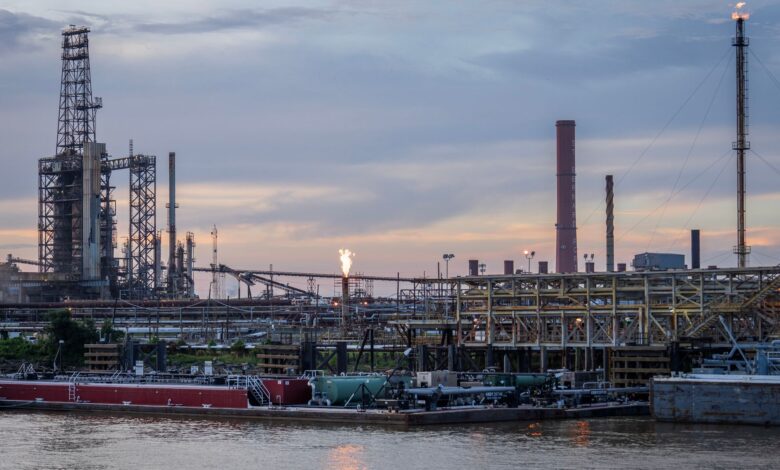
The refinery in question is not merely a local asset but a cornerstone of Russia’s downstream oil sector. As the nation’s largest oil refinery, it plays a pivotal role in converting crude oil into refined products essential for both domestic consumption and export. By striking this facility repeatedly, Ukraine is aiming to create a persistent friction in the Russian energy supply chain. Each attack forces a reassessment of security protocols, potentially slowing production rates and diverting resources toward defense rather than operational efficiency. The repetition of the strike—this being the third instance—suggests that previous repairs or security enhancements have not been sufficient to deter further interference, highlighting the resilience of Ukraine’s long-range capabilities.
The timing of this attack, coinciding with ongoing peace negotiations, adds a layer of strategic complexity to the energy market. While diplomatic channels seek to de-escalate hostilities, the physical degradation of key energy infrastructure suggests that military and economic pressures are being maintained in parallel. This dual-track approach implies that any potential peace framework must account for the substantial damage already inflicted on Russia’s energy assets. For global energy markets, the continued vulnerability of major Russian refineries introduces an element of uncertainty. Although Russia remains a major global oil producer, the efficiency of its refining sector is a critical determinant of its ability to meet demand for high-value products like diesel and petrol, particularly in markets that rely on these fuels for transportation and industrial use.

The impact of such strikes extends beyond the immediate physical damage to the facility. It forces the Russian energy sector to operate under heightened alert, which can incur hidden costs in terms of labor, maintenance, and logistical adjustments. Workers and management at the refinery, as well as the broader supply chain dependent on its output, face the prospect of intermittent disruptions. This unpredictability can ripple through to consumer prices in regions dependent on Russian refined products, although the specific magnitude of this effect varies by market and is influenced by global supply and demand dynamics. The attack serves as a reminder that energy infrastructure is not immune to geopolitical conflict, and that the security of supply is a multifaceted challenge involving military, economic, and diplomatic dimensions.
As the campaign against Russia’s crude-processing industry intensifies, the focus remains on the sustainability of such strikes and their long-term impact on Russia’s energy independence. The US-mediated peace talks provide a backdrop against which these military actions are measured, suggesting that while dialogue is pursued, the leverage derived from energy security is being actively managed. The next verified development in this narrative will likely hinge on the outcome of the negotiations and the extent of the damage to the refinery, as well as any retaliatory measures or strategic adjustments made by both sides. The energy sector, therefore, remains a central arena where the broader conflict is being fought, with each strike and each diplomatic exchange shaping the future landscape of energy security and market stability.