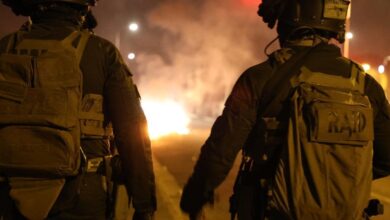
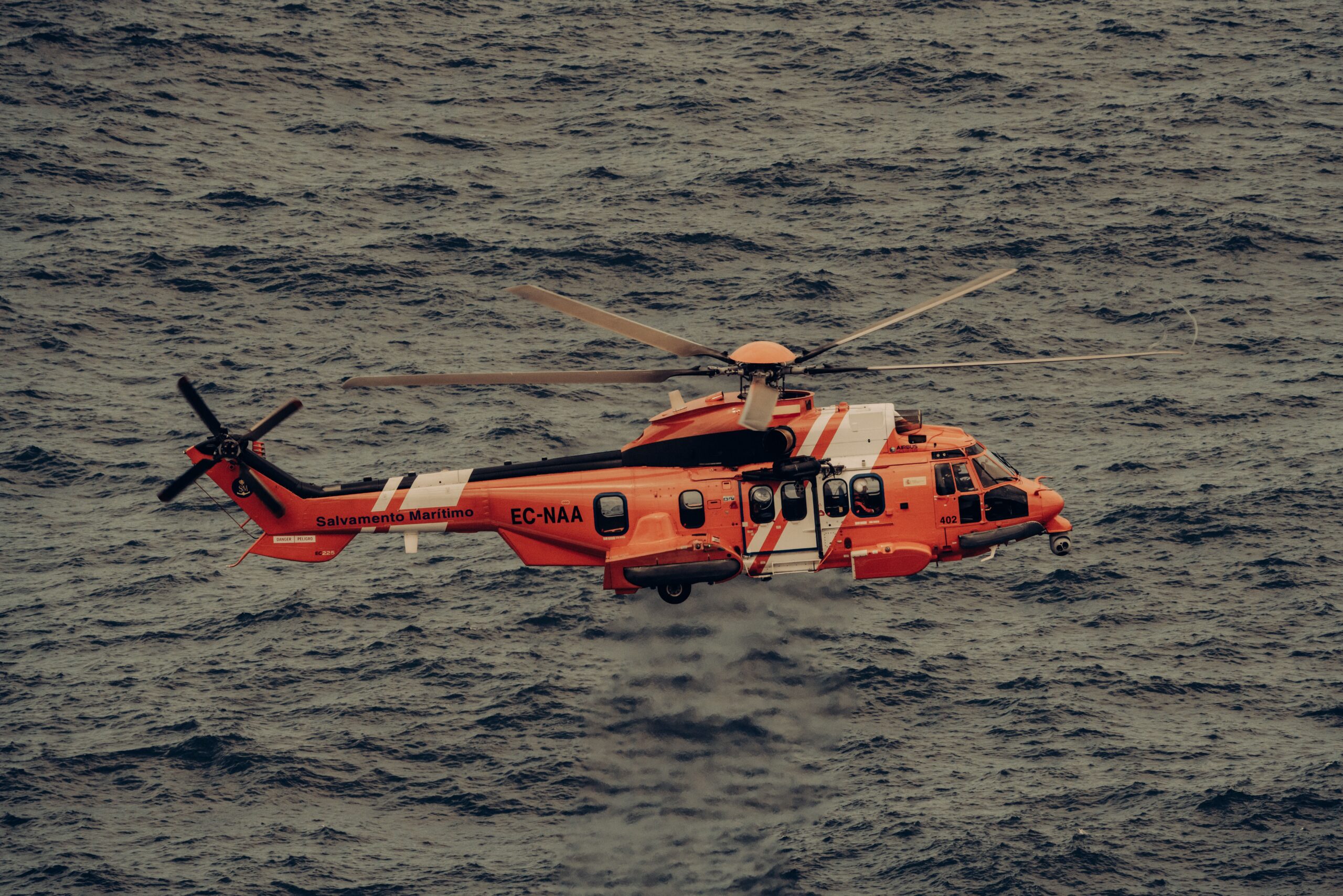
According to Coast Guard officials, the woman was reported missing during the vessel’s Caribbean voyage, which had departed from Fort Lauderdale. The incident triggered an urgent response involving the cutter William Trump and MH-60 Jayhawk helicopters from Air Station Clearwater, with additional assistance from cruise ship personnel. Despite these extensive efforts, no trace of the passenger was found. Holland America Line stated it is cooperating with authorities, though the circumstances surrounding how the woman went overboard remain unclear. As a direct consequence of the search operation, the cruise line canceled its planned stop in Key West.
This incident is part of a recent series of overboard occurrences on major cruise ships, raising questions about maritime safety protocols and detection technologies. In a separate incident earlier this month, a 44-year-old citizen of El Salvador went overboard from the Royal Caribbean vessel Odyssey of the Seas in the Ionian Sea between Italy and Greece. A Reddit post from a passenger indicated that the captain informed the ship around 10:00 a.m. local time that a woman had jumped in the early hours of the morning. Cruise ship tracking data confirmed the Odyssey of the Seas changed course and turned around between 10:00 a.m. and 11:00 a.m. local time, circling a small area for several hours. The Greek Coast Guard, a rescue vessel, and a military helicopter participated in the search for the passenger, who went overboard approximately 72 nautical miles southwest of Zakynthos, Greece. Notably, reports indicate the Odyssey of the Seas is not equipped with an automatic man-overboard system, a technology that alerts the ship’s bridge and tracks individuals in the water. Without such systems, vessels may go hours before realizing a passenger has gone into the sea.
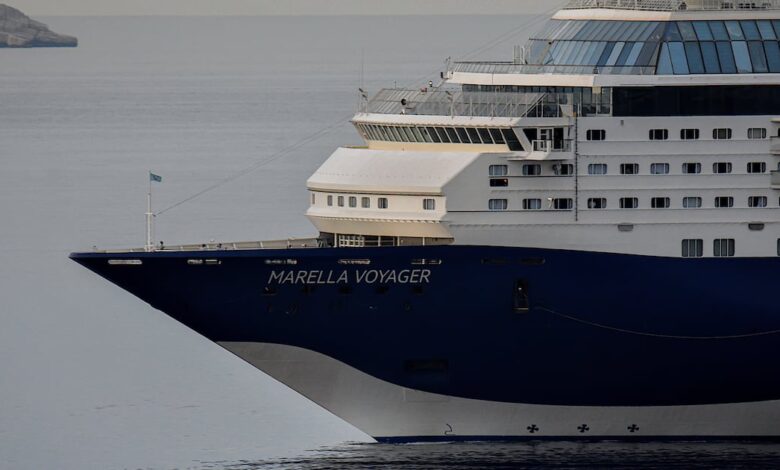
Earlier in the same period, a 72-year-old British woman fell overboard from the Marella Voyager while the ship was crossing the Atlantic toward the Caribbean. The passenger was last seen on Monday afternoon as the ship departed Malaga. A steward alerted authorities on Tuesday evening after noticing the woman’s bed had not been slept in. At that point, the 800-foot ship was already 550 miles away from the location where she may have fallen, making it impossible to turn around for retrieval. The U.S. Coast Guard Rescue Coordination Center in Virginia issued an alert to nearby ships to keep a sharp lookout. While the Marella Voyager had recently encountered a severe storm that left items crashing to the floor, a Tui spokesperson stated that “nothing suggests weather played a part in the guest’s disappearance.” Security teams reviewed CCTV footage, but the woman remains missing.
The recurrence of these incidents has drawn attention to the limitations of current safety infrastructure. According to the Cruise Lines International Association, between 19 and 25 overboard incidents are reported annually worldwide. Each case typically requires extensive search operations that can span hundreds of miles of ocean. The Nieuw Statendam incident, like others in this recent cluster, underscores the critical importance of immediate detection. In the case of the Odyssey of the Seas, the delay in identifying the overboard passenger—potentially due to the lack of an automatic alert system—significantly complicates rescue efforts, as the window for survival in cold water narrows rapidly.
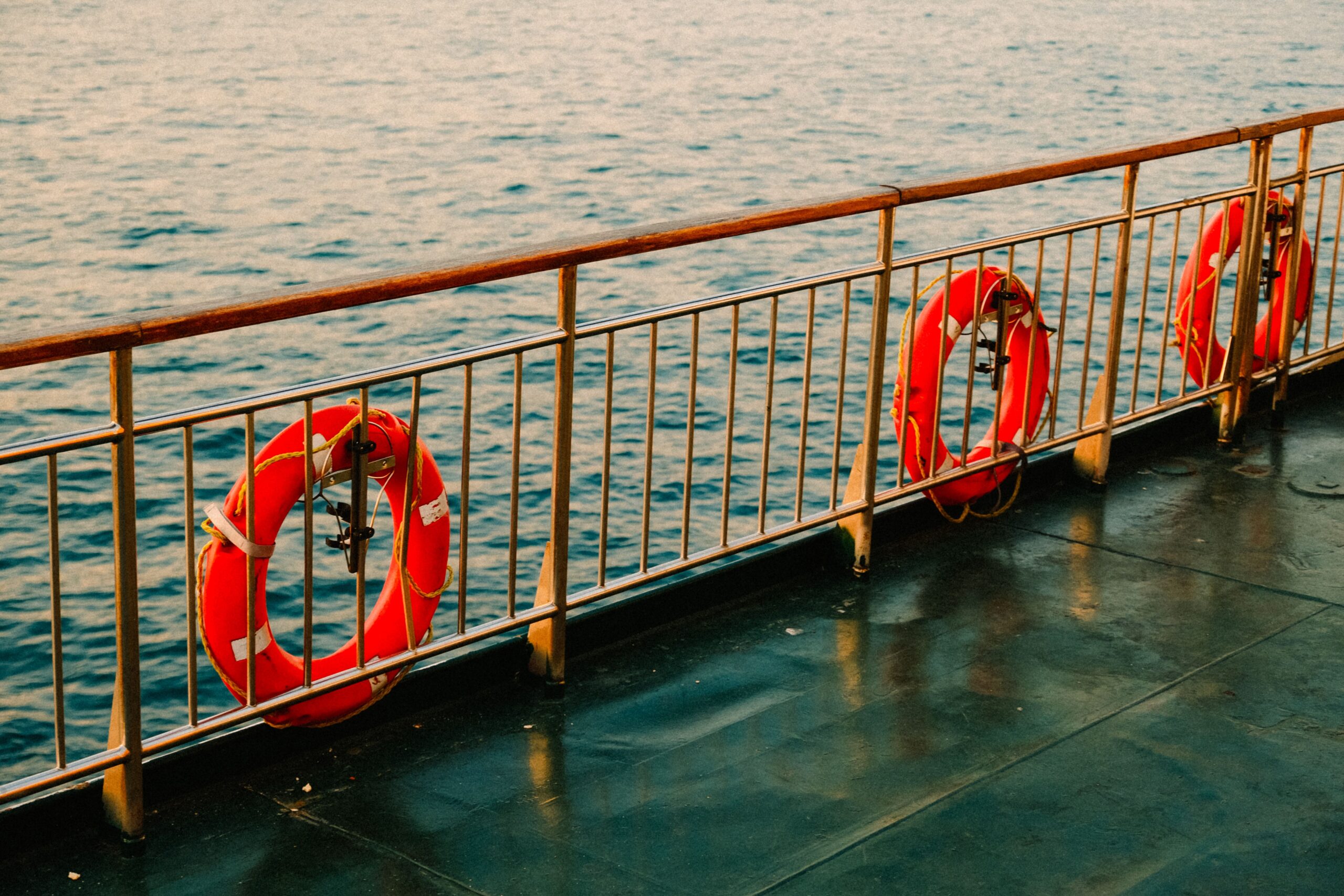
Legal and maritime safety experts note that while overboard incidents are rare, the consequences are often fatal. The suspension of the search for the passenger from the Nieuw Statendam marks the end of the immediate operational response for that specific case, but it does not preclude further investigative work. Holland America Line’s cooperation with authorities may lead to a review of the ship’s safety protocols, including the functionality of existing detection systems and crew training. Similarly, the incidents involving the Odyssey of the Seas and Marella Voyager may prompt regulatory scrutiny of whether cruise lines are adequately equipped with modern man-overboard detection technology, which can automatically track a person in the water and alert the bridge in real-time.
As the Coast Guard suspends its active search, the focus shifts to the legal and operational implications of these disappearances. For passengers and families, these incidents highlight the risks inherent in ocean travel, particularly when detection systems are absent or delayed. The upcoming regulatory reviews and potential legislative changes aimed at mandating automatic man-overboard systems on all cruise vessels could serve as the next formal step in addressing these safety gaps. Until such measures are enacted and enforced, reliance on manual detection and crew observation remains the primary line of defense, a method that has proven insufficient in several recent high-profile cases.