The decision to intensify security measures comes in the wake of widespread unrest that resulted in the damage or looting of approximately 3,000 shops across the country. Several hundred security personnel were reported injured during the previous demonstrations, which Prime Minister Sébastien Lecornu acknowledged were met with a policing approach that was “too static and insufficiently mobile.” In response, the government has outlined a revised strategy that prioritises mobility and the rapid deployment of specialised units.
The legal and operational framework for this mobilisation relies heavily on Operation Sentinelle, the military component of France’s domestic security architecture. Launched on 12 January 2015 in the aftermath of the 2015 terrorist attacks, Sentinelle operates alongside the Vigipirate national counter-terrorism plan. While originally designed to protect sensitive infrastructure—such as schools, places of worship, and diplomatic missions—from terrorist threats, the operation is being expanded in scope to address the current civil disorder. Initially, the operation involved 10,412 soldiers and 4,700 police officers and gendarmes protecting 830 locations. For the 24 October protests, additional soldiers from this force will be deployed to the streets, distinct from their traditional static protective roles.
In Paris, the deployment is particularly pronounced. Approximately 1,000 soldiers are expected to be available for duty, a significant increase from the usual 300 military personnel carrying out patrol duties. Of these, 500 are assigned to patrol and protect selected high-value targets, including the Arc de Triomphe, embassies, and the Cercle national des armées (National Circle of the Armed Forces). The remaining personnel will be held in reserve to reinforce operations as necessary if the situation deteriorates.
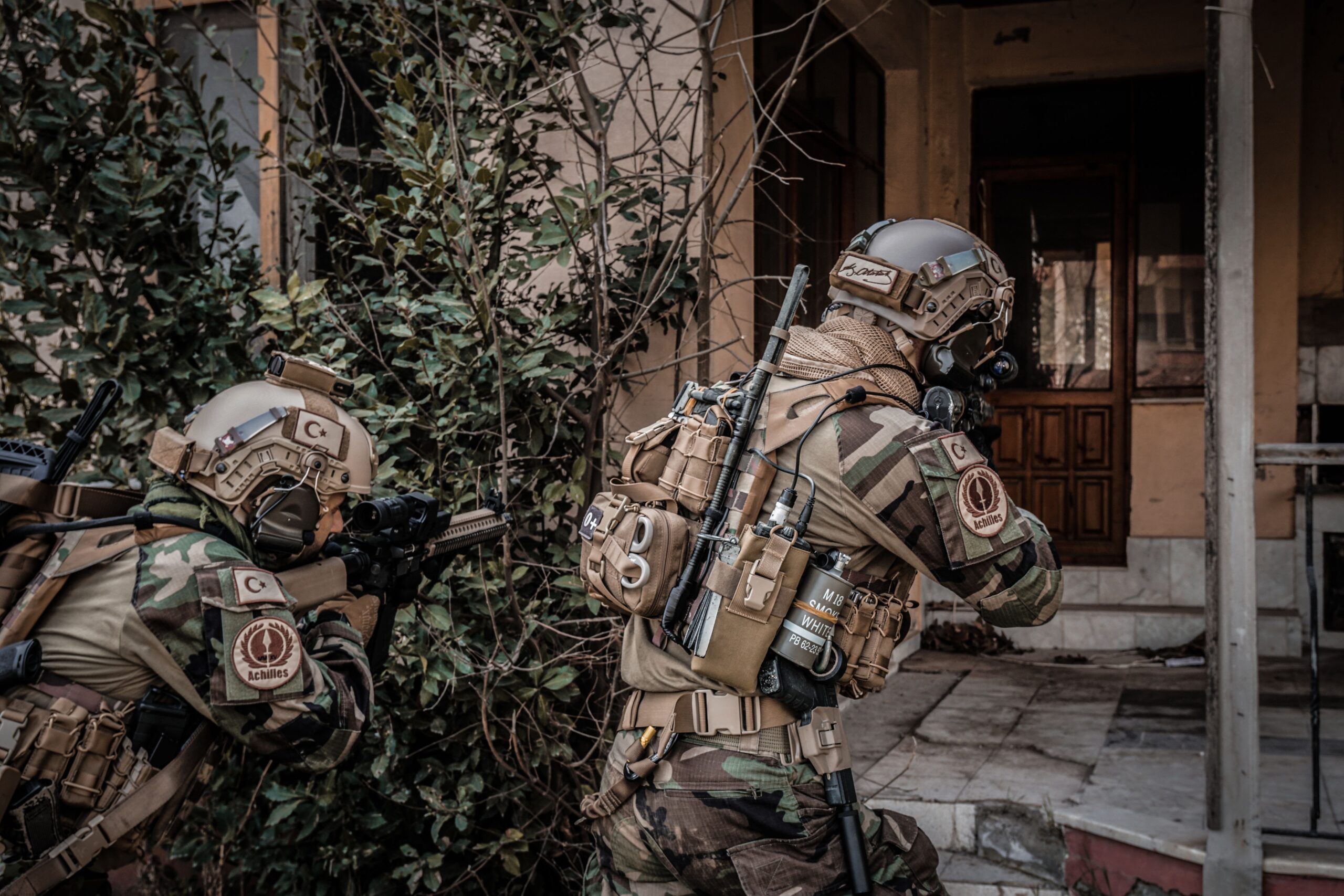
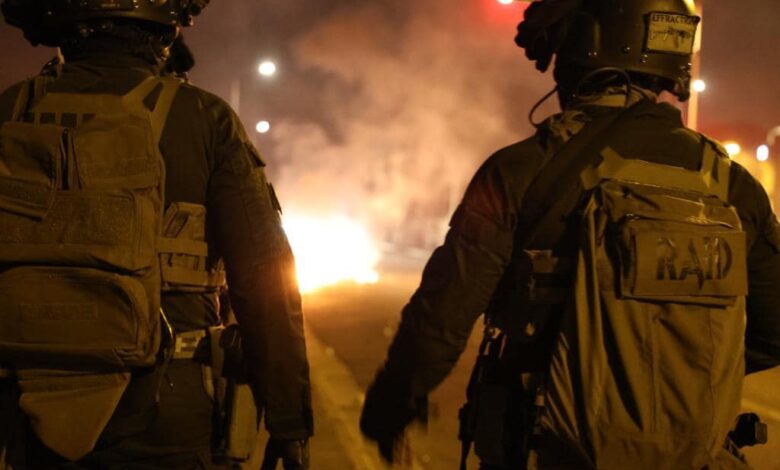
The government has also committed to deploying elite and specialised units alongside standard police forces. These include the Groupe d’Intervention de la Gendarmerie Nationale (GIGN), the Research and Intervention Brigade (BRI), and the Companies for Repression of Banditry (CRS). The Raid (Recherche Assistance Intervention Dissuasion) unit of the National Police is also on standby. This multi-agency approach is supported by heavy logistical assets, including Centaure armoured vehicles, helicopters, and water cannon, all placed on standby to manage crowd dynamics and protect infrastructure.
The distinction between the roles of these agencies is procedurally significant. Soldiers under Operation Sentinelle are legally and operationally tasked with protecting civilians and infrastructure against terrorist threats. Their integration into the street-level policing of demonstrations represents a strategic shift, blurring the traditional line between counter-terrorism security and public order management. By assigning soldiers to patrol selected locations rather than solely guarding static sites, the government is leveraging military resources to address the mobility gaps identified in the failures of the 17 October response.
Interior Minister Nuñez stated that the reinforcements and deployment of specialised units are intended to provide a more robust and adaptive response to threats. The authorities emphasised that the presence of these forces is a precautionary measure to prevent a recurrence of the extensive property damage witnessed in the previous week. The inclusion of armoured vehicles and aerial assets underscores the seriousness with which the state views the potential for further escalation on 24 October.
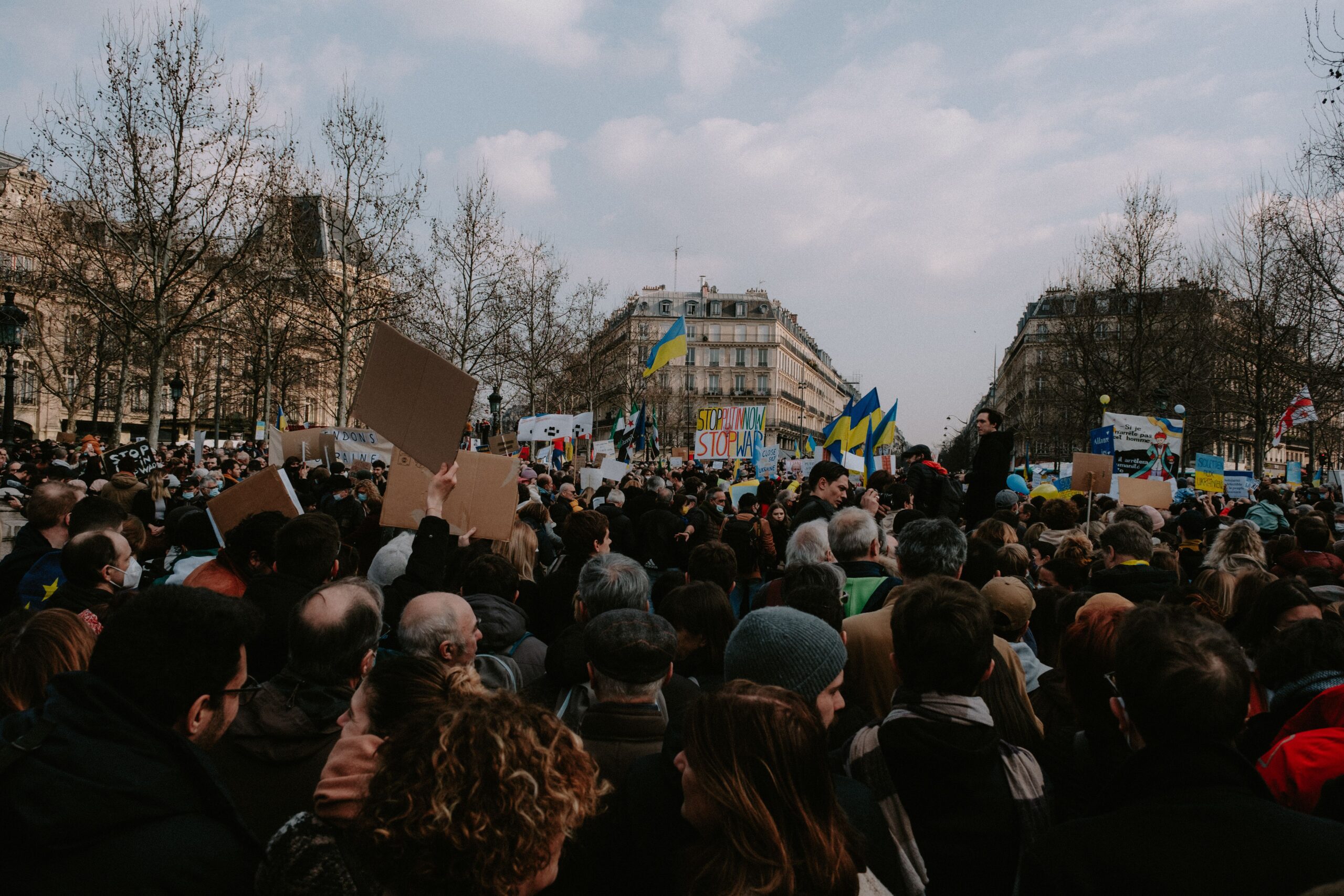
The legal implications of this mobilisation remain a subject of intense public and legal scrutiny. The use of military personnel in a domestic public order context, particularly in a capital city, raises questions about the boundaries of Sentinelle’s mandate and the principles of proportionality in policing. While the government asserts that the measures are necessary to safeguard public safety and property, critics have raised concerns about the militarisation of protest management.
As the deadline for the protests approaches, the focus shifts to the operational coordination between the police, gendarmerie, and military forces. The success of the deployment will depend on the ability of these distinct entities to operate cohesively under the revised tactical protocols. The outcome of the 24 October demonstrations will likely serve as a critical test of France’s domestic security apparatus and its capacity to manage large-scale civil unrest without resorting to excessive force or violating civil liberties.
The next formal step is the execution of the security plan on 24 October, with the government monitoring real-time developments to determine if further reinforcements or tactical adjustments are required. Legal challenges regarding the scope of the military deployment may emerge in the weeks following the protests, particularly if injuries or constitutional violations are alleged.