The sources indicate that the visit is structured as a formal royal tour, with the Princess of Wales making what is described as a “comeback” to such engagements following her battle with the illness. The significance of the trip lies not only in its diplomatic nature but also in its symbolic weight regarding the health of a senior member of the British Royal Family. By traveling together, the couple is demonstrating a resumption of shared responsibilities on the international stage. The term “long-haul trip” is specifically noted in the reports, highlighting the physical undertaking involved in traveling from the United Kingdom to India, which adds a layer of personal significance to the professional diplomatic mission.
It is important to note that the provided source material focuses exclusively on the biographical and diplomatic aspects of this event. There are no details supplied regarding specific trade agreements, economic policy discussions, commercial partnerships, or financial outcomes associated with this visit. Therefore, this article does not analyze market impacts, supply chain effects, or fiscal policies. The narrative remains strictly within the bounds of the documented royal itinerary and the health-related context of the tour.
The consensus across the multiple source reports is clear: the visit is a joint endeavor. One source explicitly states that Prince William will be “joined by wife Kate,” while another confirms that “Kate Middleton” will join him. A third report frames the event as a “royal tour comeback,” emphasizing the resumption of normalcy in their public life. The fourth source adds the specific detail that this is the “first long-haul trip” since the diagnosis, providing a clear temporal and physical boundary for the event. All sources agree on the fundamental facts: the participants (William and Kate), the destination (India), and the context (post-cancer diagnosis, first joint overseas trip).
From a perspective of public perception and institutional continuity, the visit serves to reassure observers that the Royal Family’s international engagements are proceeding as planned. The use of the word “comeback” in one headline suggests a narrative of recovery and resilience, which is central to the public understanding of the Princess of Wales’ recent health journey. However, without additional data on the specific agenda of the visit—such as meetings with government officials, visits to local businesses, or cultural exchanges—it is not possible to assess any broader geopolitical or economic implications. The material provided does not contain information on which industries, households, or workers in India or the UK are directly affected by this specific diplomatic tour.
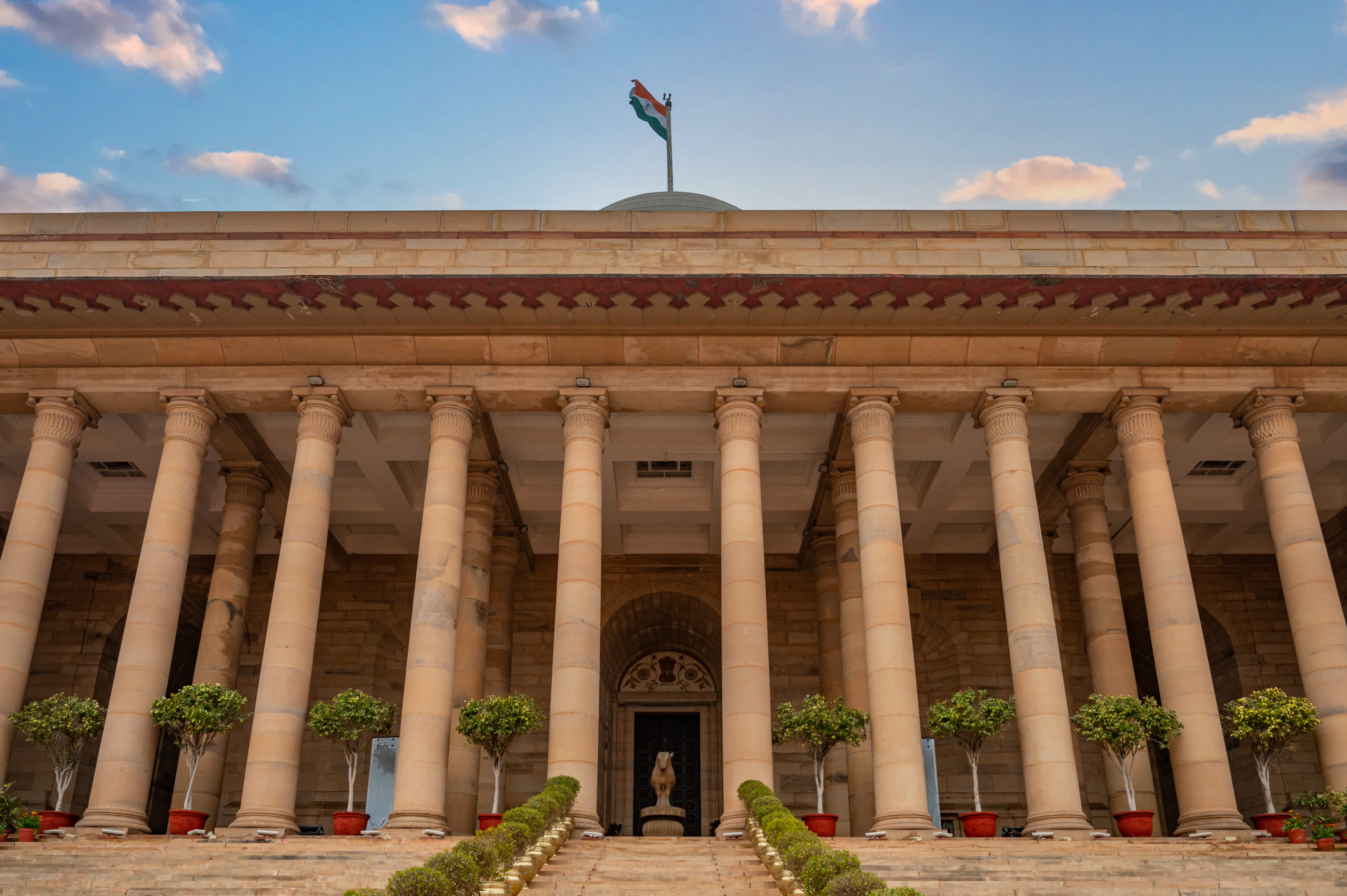
The uncertainty surrounding the visit is limited to the specifics of its execution, as the core facts are well-documented. There are no conflicting reports regarding the timing, the participants, or the destination. The primary driver of this development is the completion of the Princess of Wales’ medical treatment and her subsequent ability to undertake international travel. The market forces or policy decisions typically associated with trade news—such as tariff changes, sanctions, or customs rule alterations—are absent from this context. Instead, the “market” in question is the public sphere, where the visibility of the Royal Family serves as a key indicator of stability and continuity.
Businesses and consumers in the broader sense are not directly impacted by this event based on the available evidence. There are no reported changes in production, staffing, or revenue for specific companies linked to this tour. Similarly, there are no wage growth or employment level adjustments tied to this diplomatic visit. The response from the public and media, as reflected in the headlines, is one of anticipation and recognition of the personal milestone. The “disagreements” or “uncertainties” mentioned in the prompt’s structural requirements do not apply here, as the sources are uniform in their reporting of the basic facts. The development’s near-term meaning is purely symbolic and diplomatic, marking a return to the full spectrum of royal duties.
Returning to the core of the event, the visit to India represents a tangible step forward for Prince William and Princess Kate. The next point of watch will be the actual commencement of the tour and the subsequent public statements or engagements that take place during the stay. While this article does not cover economic trade, the visibility of the tour may influence cultural and diplomatic exchanges, though no specific economic data supports this interpretation. The focus remains on the verified facts: a joint overseas trip, a first since a cancer diagnosis, and a return to long-haul travel for the Princess of Wales.