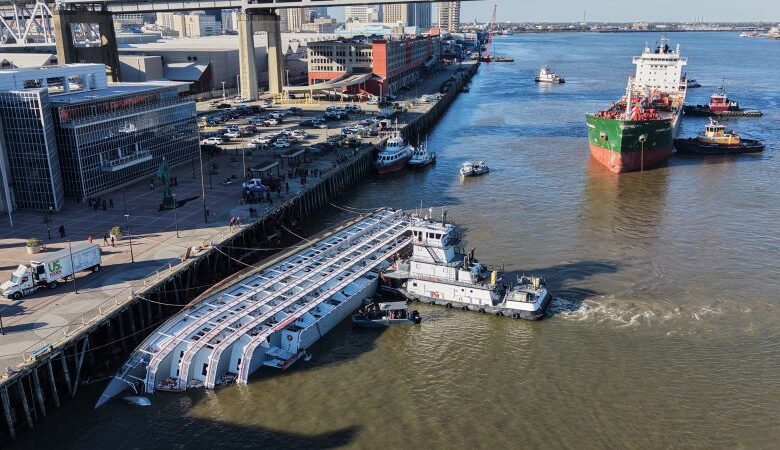
The collision occurred in the main channel of the Mississippi River, prompting the US Coast Guard to shut down the waterway immediately. Following the rescue mission, the Coast Guard reopened the main channel to limited traffic. The American Heritage is currently partially submerged in approximately 25 feet of water. Mayor Moreno indicated that it could take weeks to remove the vessel from the river. Before the ship can be moved, officials must first remove 16,000 gallons of fuel from the vessel to prevent environmental contamination.
The National Transportation Safety Board (NTSB) has launched an active investigation into the cause of the collision. NTSB board member John DeLeeuw stated that investigators recovered the tanker’s voyage data recorder, a device similar to an airplane’s black box that tracks maneuvers, course, and bridge audio. Investigators are expected to remain at the scene for about a week to interview crew members and collect remaining evidence. The NTSB plans to issue a preliminary report in approximately one month, with a final report expected between 18 and 24 months later.
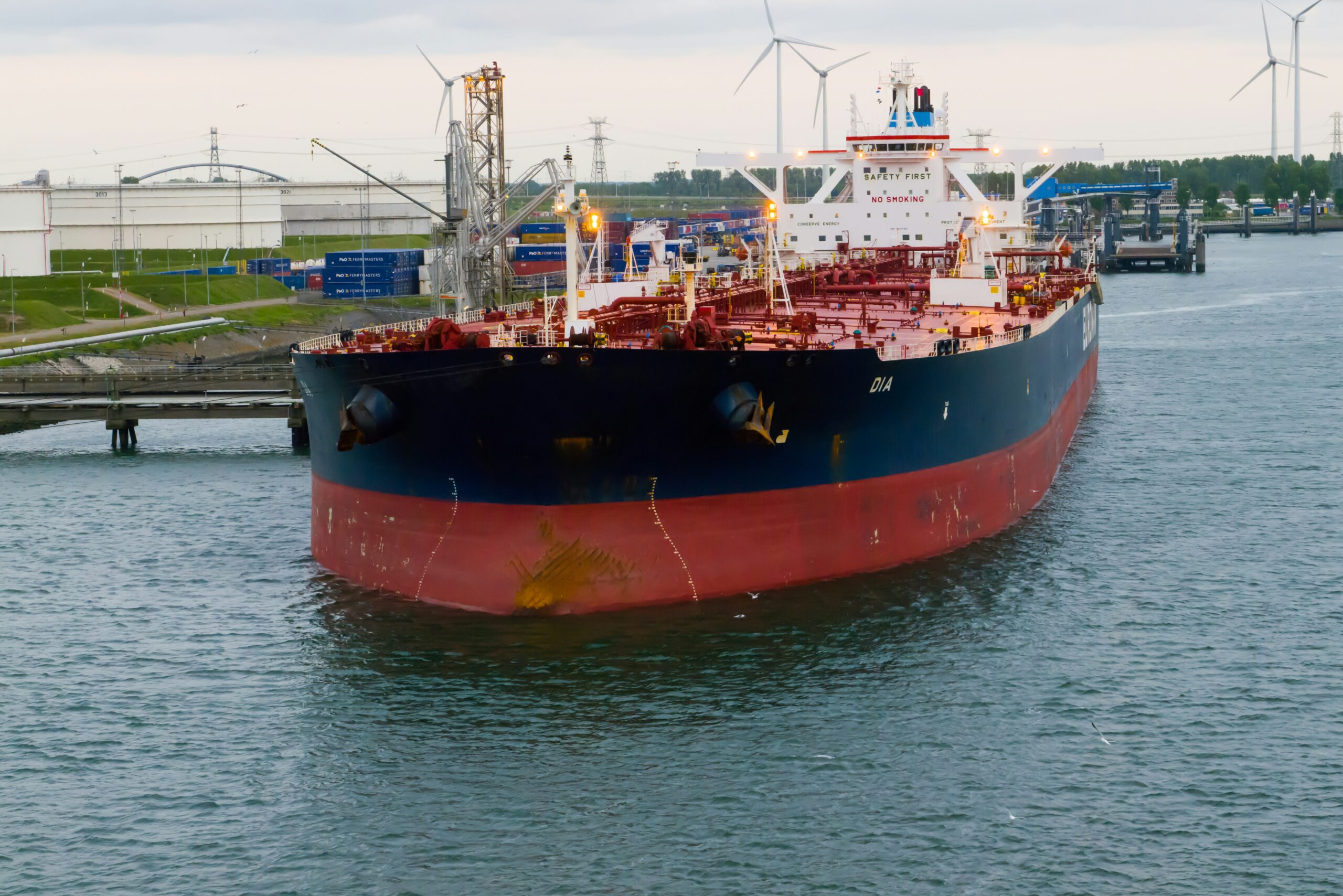
Authorities have not yet determined the definitive cause of the incident, though a possible steering fault has been suspected. Local officials, including state leaders, have emphasized the need for a thorough investigation to understand exactly what happened and to ensure the Mississippi River remains a safe waterway. President Donald Trump offered support to the state and praised first responders in a social media post, stating, “All of Law Enforcement and First Responders were fantastic!”
The incident marks a significant disruption to commercial and recreational traffic on the Mississippi River. While the channel has reopened to limited traffic, the removal of the sunken cruise ship and the completion of the fuel transfer are expected to be lengthy processes. The NTSB’s preliminary findings will be critical in determining whether regulatory changes or additional safety measures are required for vessels operating in the area.