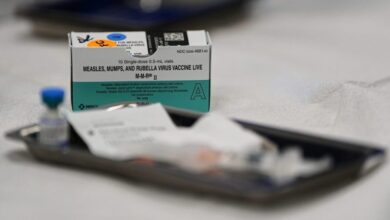
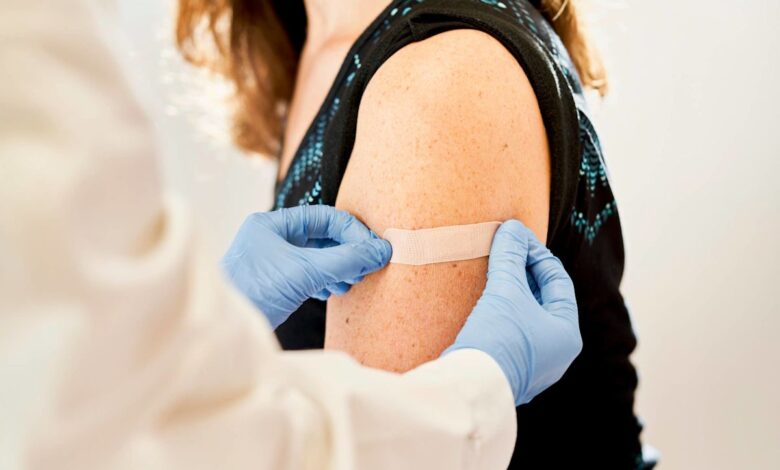
The HPV vaccine is the only vaccination currently available that protects against multiple cancers linked to different strains of the virus. Dr. Ami Vaidya, co-chief of the Division of Gynecologic Oncology at the Hackensack Meridian John Theurer Cancer Center, stated that the vaccine is “highly beneficial” for individuals who have not yet encountered the nine high-risk viral strains targeted by the current formulation. The vaccine protects against cervical, oropharyngeal, anal, vulvar, vaginal, and penile cancers. Dr. Gabrielle Smith, a gynecologic oncologist, explained that by vaccinating against a known cancer-causing virus, the immune system is trained to recognize and destroy the virus upon exposure, preventing the gene alterations that lead to cancer.
The U.S. Food and Drug Administration approved the first HPV vaccine in 2006, which targeted four viral variants. In 2014, the FDA approved Gardasil 9, the vaccine still in use today, which targets nine high-risk strains. While the Centers for Disease Control and Prevention (CDC) recommends routine vaccination for children ages 11 to 12, with catch-up vaccination for those ages 13 to 26, medical professionals note that a three-dose series can be administered to individuals up to age 45. The vaccine is made with the outer coating of the virus to generate antibodies and does not contain viral DNA, meaning it cannot cause HPV infection.
HPV is the most common sexually transmitted infection in the United States, with approximately 42.5 million Americans currently infected and at least 13 million new infections occurring annually. While most infections resolve on their own, persistent infection with high-risk strains can lead to cancer. Between 2018 and 2022, over 49,000 people in the U.S. developed an HPV-related cancer, a significant increase from the 30,000 cases recorded in 1999. Although cervical and vaginal cancer rates have decreased since 1999, rates for oropharyngeal and anal HPV-related cancers have risen. In 2025, an estimated 13,360 new cervical cancer cases and 4,320 deaths are projected in the U.S.
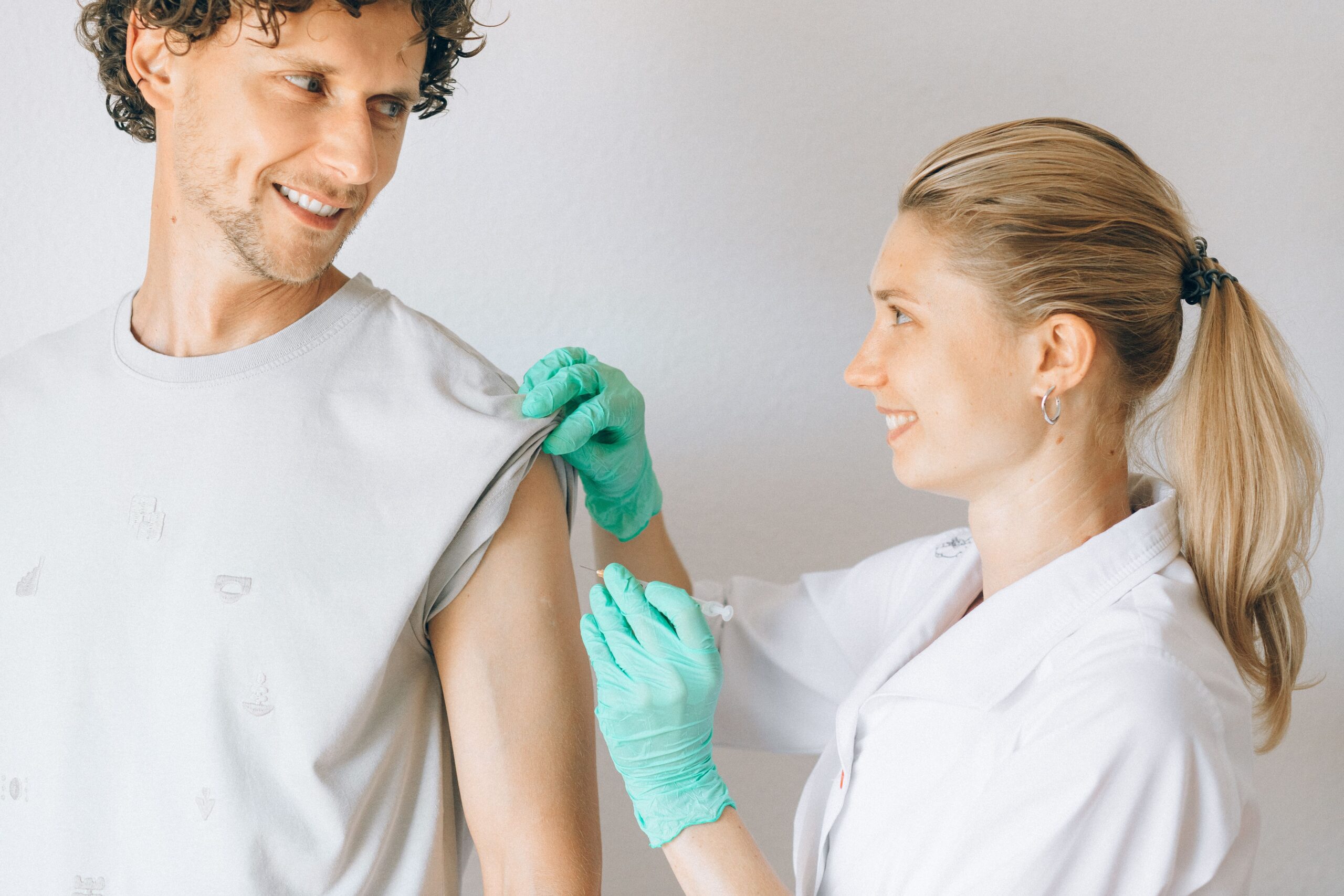
Public health data indicates that uptake of the vaccine has generally risen since its introduction, although notable declines in vaccination rates have occurred since the start of the COVID-19 pandemic. The vaccine’s cost is fully covered by private insurance and public programs. Despite these programs, racial disparities in cervical cancer outcomes persist. Black women have the highest mortality rates from cervical cancer, while Hispanic women have the second-highest incidence rate, even though both groups report high rates of recent Pap testing. Experts suggest that disparities in follow-up treatment, stage at diagnosis, and experiences within the medical system may contribute to these outcomes.
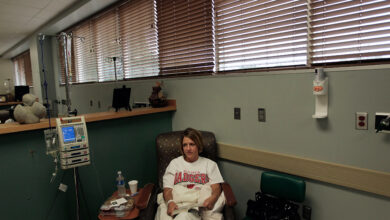
Medical professionals emphasize that prevention remains preferable to treatment, which carries significant physical, emotional, and financial costs. Dr. Vaidya noted that the vaccine is especially crucial for individuals experiencing life transitions, such as re-entering the dating pool, as it provides robust protection against strains they may not have previously encountered. The next step for eligible adults is to consult with a healthcare provider to determine if the vaccine is appropriate for their specific health history and risk profile.