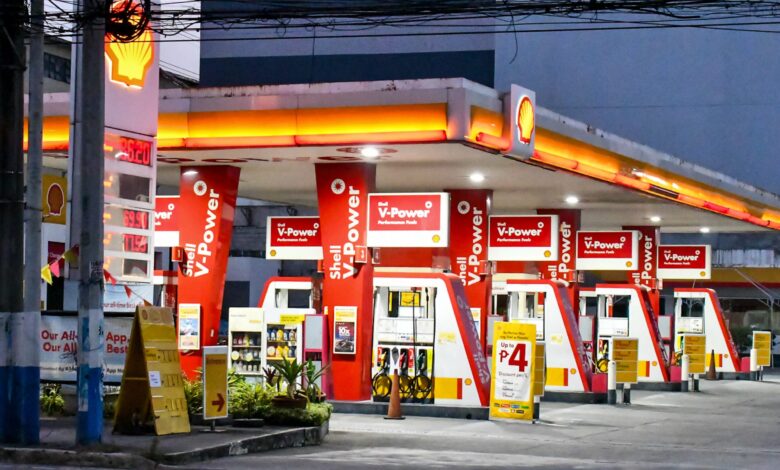
The Department of Energy (DOE) announced the minimum price decreases effective for the week of November 17 to 23. While specific figures for the current week’s adjustments were not detailed in the latest release, the trend continues the relief seen in the previous period. Last week, consumers experienced significant drops: gasoline prices fell by P16.80 per liter, diesel by P4.10, and kerosene by P3.70. This latest reduction extends the rollback into the third week of November, signaling a stabilization in the domestic market as international tensions ease.
Despite the recent declines, the economic impact of the conflict remains visible. Local pump prices are still substantially higher than they were in the last full week before the conflict erupted. In that pre-conflict period, common Metro Manila prices stood at P56 per liter for RON95 gasoline, P54.70 for RON91, P55 for diesel, and P83.47 for kerosene. The current higher baseline illustrates the lasting effect of the supply shocks that followed the initial attacks. For consumers and businesses alike, the return to pre-February pricing levels remains a distant prospect, as the market digests the structural changes in regional fuel dynamics.
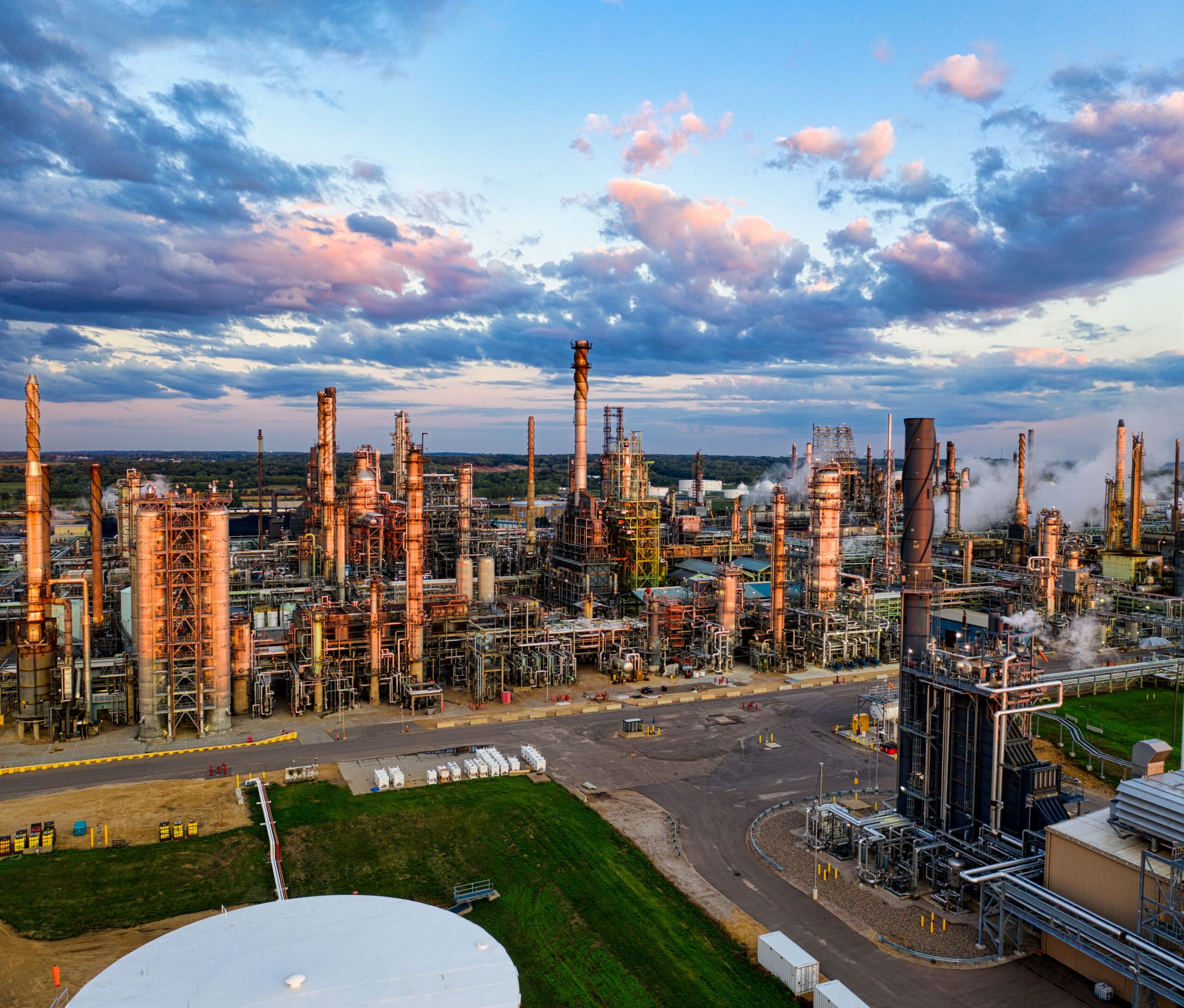
The Philippines’ vulnerability to these global swings is rooted in its energy infrastructure. The country imports much of its petroleum requirements as finished products rather than crude oil. This reliance makes domestic prices highly sensitive to three key external factors: changes in regional fuel markets, freight costs, and foreign exchange rates. When geopolitical tensions rise, these variables fluctuate rapidly, transmitting global volatility directly to local pump prices. The recent diplomatic progress has helped calm these variables, allowing for the price rollbacks currently being implemented.
Policy measures have also played a role in shaping the current price environment. In September, President Ferdinand Marcos Jr. issued Executive Order No. 125, which suspended excise taxes on liquefied petroleum gas (LPG) and kerosene. This relief measure aims to lower costs for these specific fuels but does not extend to gasoline or diesel. Consequently, the recent price drops for gasoline and diesel are driven primarily by market forces and the reduction in global supply risks, rather than direct tax interventions. The distinction highlights the targeted nature of the government’s fiscal response, focusing on fuels with different consumer bases and industrial applications.
As the new week begins, the energy sector in the Philippines enters a period of recalibration. The two consecutive weeks of price cuts offer tangible relief to consumers, helping to mitigate the inflationary pressure that higher fuel costs exert on transportation and goods. However, the gap between current prices and pre-conflict levels serves as a reminder of the economic footprint left by the geopolitical crisis. The market is now watching for sustained diplomatic progress, as any resurgence in tensions could reverse the trend and push prices back up. For now, the narrative has shifted from emergency response to gradual recovery, with the DOE’s announcements serving as the primary indicator of this stabilizing trajectory.
Returning to the Manila gas station, the updated price boards reflect this cautious optimism. The numbers are lower than they were last week, but they do not yet return to the P56 and P55 benchmarks of late February. The next phase of this recovery will depend on whether the diplomatic solution between the US and Iran holds, keeping global oil supply concerns at bay. Until then, the Philippines remains tethered to the broader global energy market, where every shift in geopolitical posture is felt in the local price of a liter of fuel.