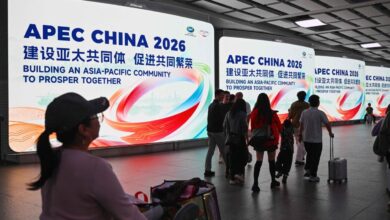
The White House has framed the discussions primarily around denuclearization. However, reporting from Shenzhen indicates that the ongoing conflicts in Ukraine and Iran are likely to be central topics of the agenda. This trilateral format is unprecedented, marking the first time the leaders of these three major powers have agreed to meet together on a single stage.
Background for the meeting began in October when The Wall Street Journal reported that President Putin proposed a November meeting with Trump and Xi to discuss ending the war in Ukraine. On October 19, President Trump stated his willingness to meet with both leaders, notably mentioning the possibility of such talks even without the participation of Ukrainian President Volodymyr Zelenskyy. In response to these reports, Zelenskyy argued that if the discussions concern Ukraine’s future, the country must be included. Ukrainian assertions regarding the necessity of their participation have not been reflected in the confirmed agenda for the Shenzhen meeting.
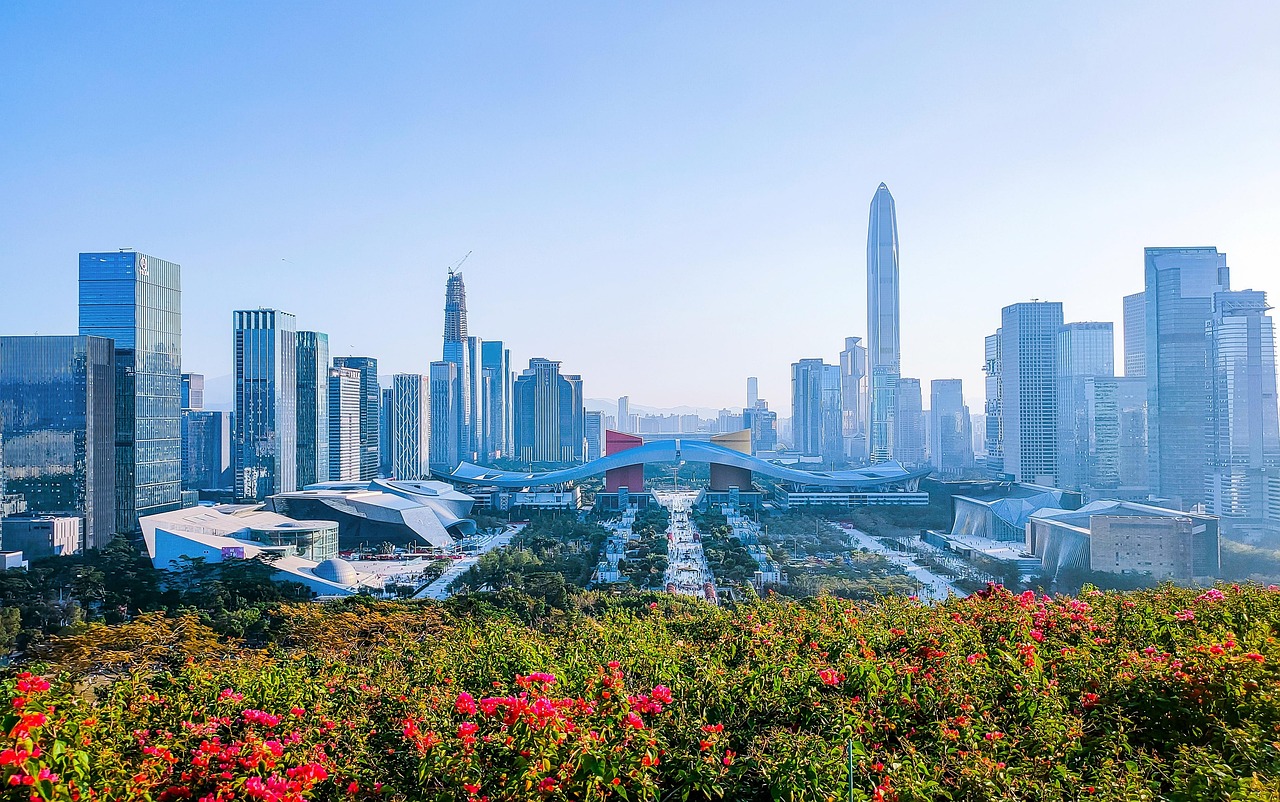
Preparations for the summit were confirmed by Yuri Ushakov, an aide to President Putin, who stated that logistical planning had already begun. In early November, President Trump indicated his hope to hold the meeting at the APEC summit, explicitly citing plans to discuss the war in Iran and denuclearization issues. The convergence of these high-stakes diplomatic tracks in China and the Philippines this week provides a backdrop for intense negotiations among global rivals.
The precise agenda for the November 19 session has not been detailed by the Chinese authorities, who limited their announcement to a brief confirmation of the meeting. It remains to be seen whether the discussions will yield a specific framework for nuclear controls or a pathway regarding the conflict in Ukraine.