The deployment comes at a time of heightened tension. Iran claimed to have launched a drone attack against Bahrain on Sunday, marking the second such incident in three days and ending a roughly two-month lull in hostilities. On Friday, US forces intercepted two Iranian drones heading toward the Gulf nation. Neither the Pentagon nor CENTCOM has formally confirmed the specific timeline of the Roosevelt’s arrival or the scale of the overall force buildup, though officials have noted the military remains “locked and loaded.”
President Donald Trump recently stated that further large-scale military strikes against Iran are “quite unlikely” and that the military component of the war is “effectively over,” following discussions with Qatari leadership. However, he removed Vice President JD Vance from peace talks and declared on social media that Washington no longer needs an agreement with Tehran. The US military has denied recent Israeli media reports alleging preparations for resumed actions, dismissing such claims as “pure speculation.”
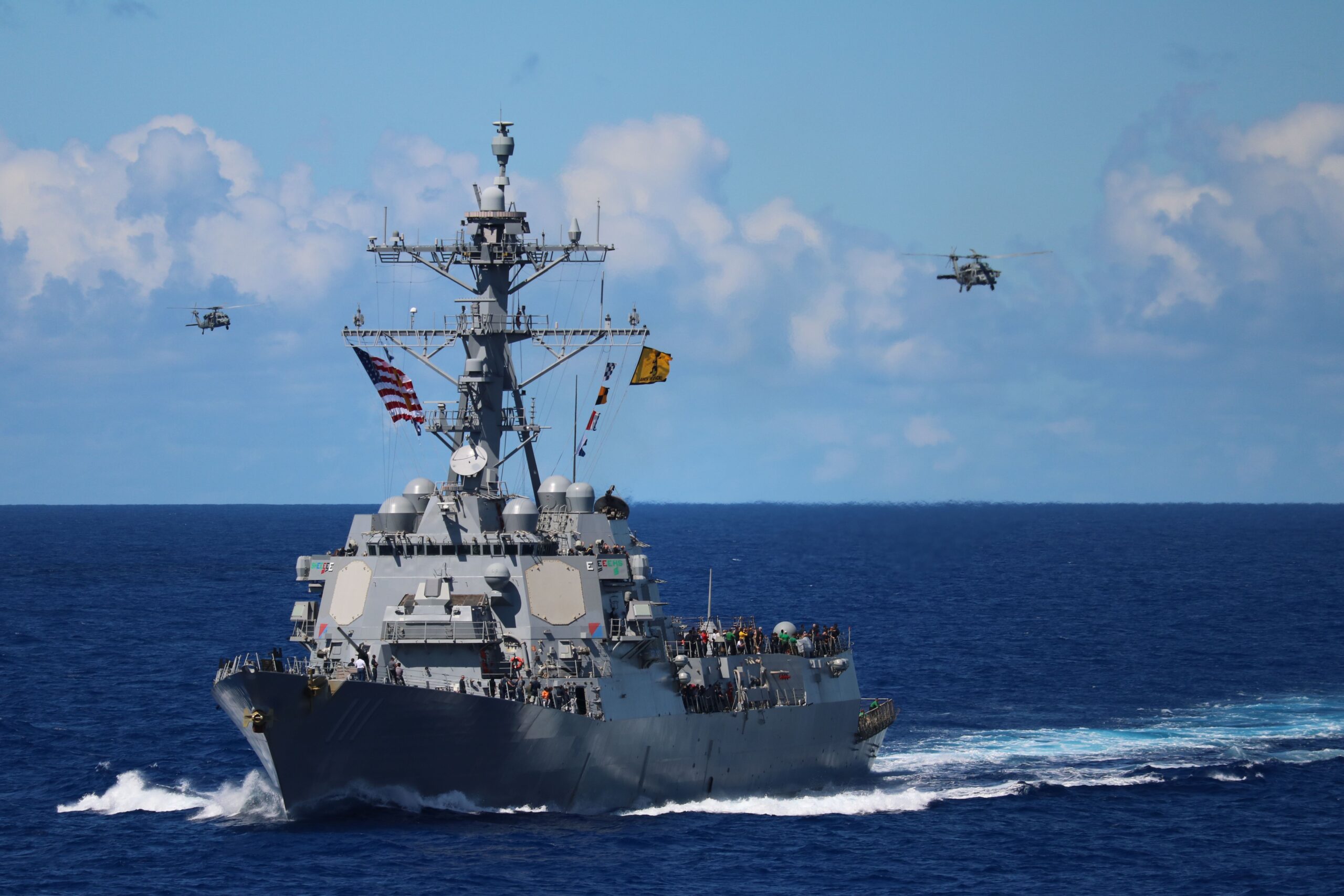
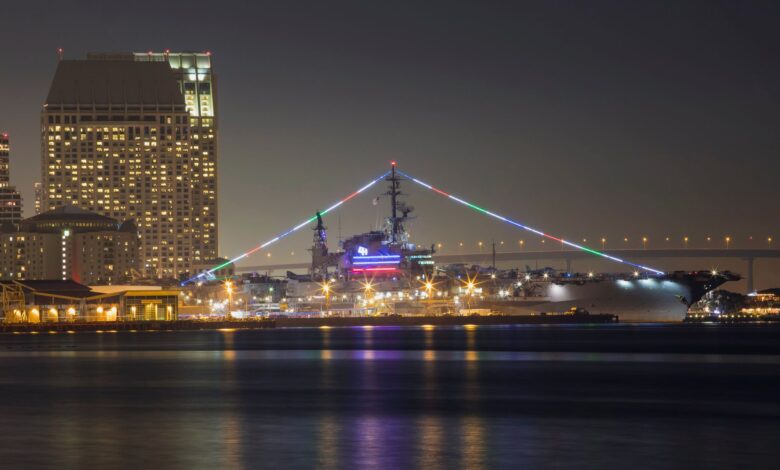
The USS Theodore Roosevelt, a nuclear-powered vessel commissioned in 1986, carries more than 5,000 personnel and an air wing of over 60 aircraft, including F-18 fighters. The ship has a history of combat operations, including deployments during the 1990-91 Gulf War and the 2003 Iraq War. A US official told Al Jazeera in October that the carrier left its San Diego base in September, with another official indicating it arrived in the region on November 15.
This naval buildup is part of a broader strategic posture involving thousands of additional troops. Last month, the Makin Island Amphibious Ready Group, carrying more than 2,000 Marines, was reported to have followed the carrier to the region. The Wall Street Journal reported that these deployments could involve an additional 9,000 to 10,000 US soldiers, a figure the US military has yet to confirm. As of mid-2025, between 40,000 and 50,000 US troops are stationed in the Middle East, with eight permanent bases located in countries including Bahrain, Kuwait, and Qatar.
Meanwhile, the extended deployment of the USS George H.W. Bush has placed strain on crew and families. Navy leaders informed families at a November 9 town hall that the carrier’s return date has been extended, with a worst-case scenario of 12 months away from home. Acting Navy Secretary Hung Cao and other officials acknowledged that the decision on when the strike group can leave the Middle East rests with Defense Secretary Pete Hegseth. Adm. Karl Thomas, commander of U.S. Fleet Forces Command, stated that several outcomes remain possible, including a return to major combat operations, though he noted the decision is beyond his control.
US-Iran relations have deteriorated since a two-week ceasefire in April and a broader memorandum of understanding in June, both of which collapsed in early July. Mediators from Pakistan and Qatar have been working to prevent a return to the full-scale exchange of attacks that affected the Gulf region in March. The current deployment signals a continued readiness for potential escalation despite diplomatic stalls.