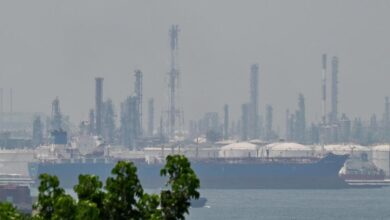
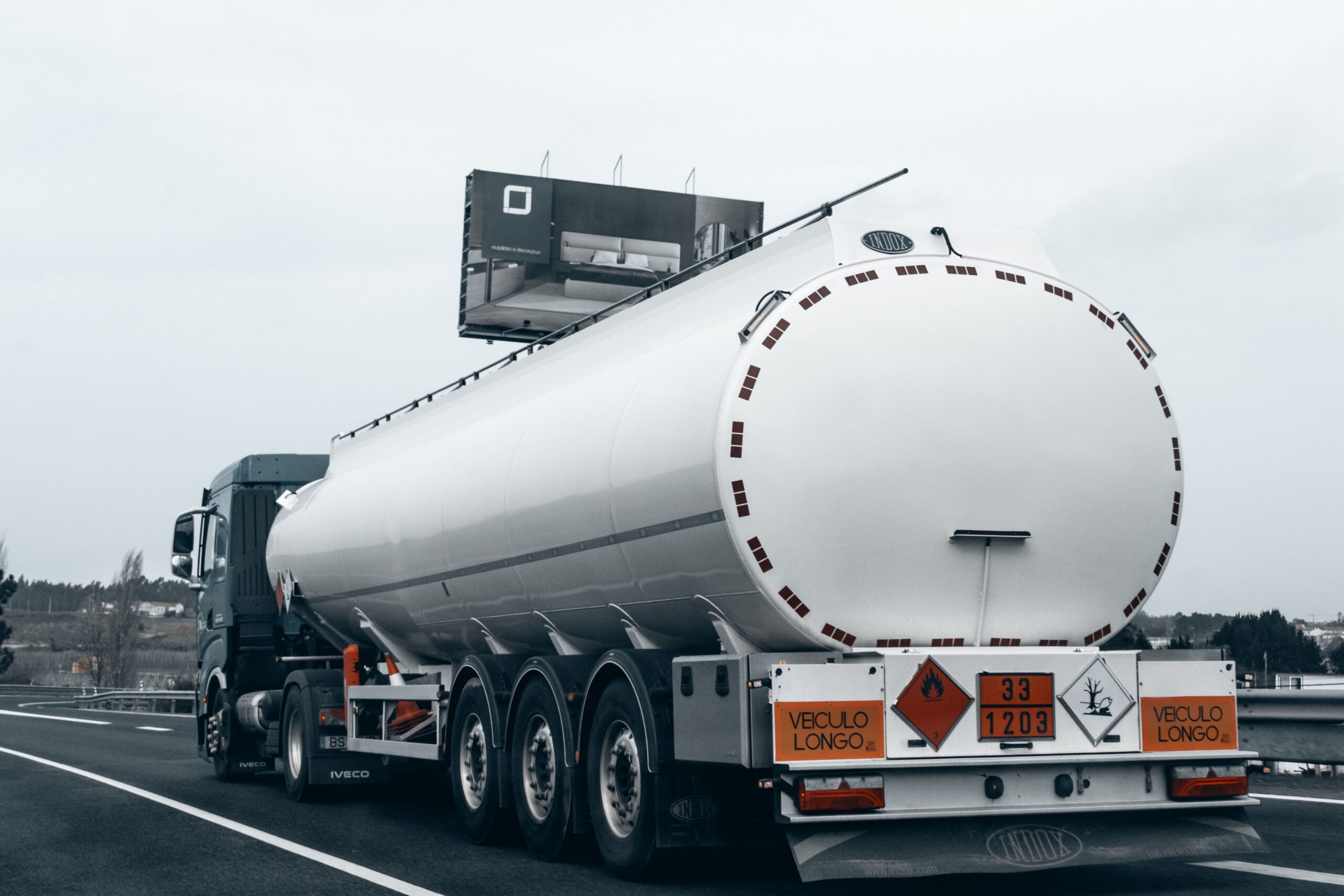
The initial proposal to raise prices was designed to address the strain on public finances caused by the global oil shock. The fuel price stabilization mechanism, known as MEPCO, is a state tool intended to smooth out oil price fluctuations. The government had indicated that any price adjustments would be temporary and limited to one month, the period required to review the subsidy applied through MEPCO. The withdrawal of the hike and the subsequent diesel cut directly impacts consumers and businesses, particularly in the transport and mining sectors, by lowering immediate operating costs.
The previous price increase had triggered panic buying and stoked inflationary pressures. The rise in fuel costs also placed significant pressure on the copper mining industry, where electricity and fuels are direct components of the cash cost (C1) and net cost. While the first half of 2025 saw additional revenue from by-products like gold and silver that offset some energy cost increases, the geopolitical uncertainty associated with the Middle East conflict poses ongoing challenges for mining competitiveness. High costs remain a persistent issue, driving the sector to focus on operational efficiency and innovation.
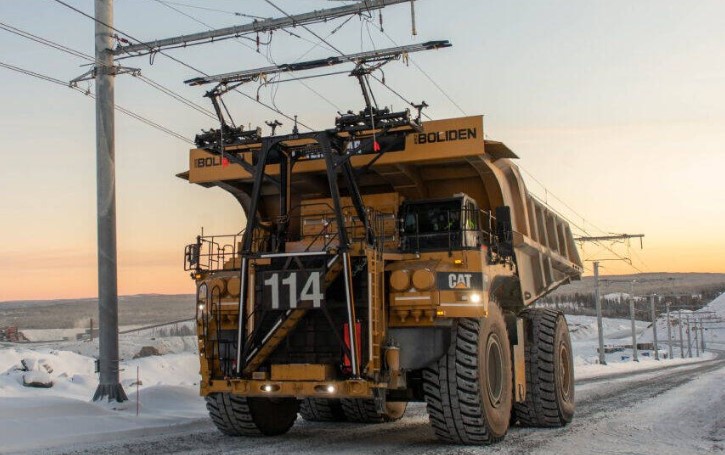
Despite the reliance on conventional trucks for much of the mining transportation, the industry is making strides in decarbonization. More than 78% of Chile’s total electricity consumption comes from clean sources, a factor that helps offset fuel price impacts for large-scale copper mining. Recent milestones include Antofagasta Minerals incorporating 50 electric pick-up trucks at its Centinela operation in 2023 and Collahuasi starting up the first trolley assist system in South America at its Rosario d facility in August 2025. These initiatives, alongside broader electrification efforts, are viewed as essential for reducing long-term operating costs.
As the government seeks cheaper fuel alternatives to alleviate fiscal strains, it is weighing the implementation of an ethanol-gasoline blend. This policy consideration reflects the broader effort to manage the complex national scenario where global oil shocks intersect with domestic social stability and industrial cost structures. The shift away from the planned price hikes signals a prioritization of immediate social and economic stability over short-term fiscal balancing through fuel subsidies.