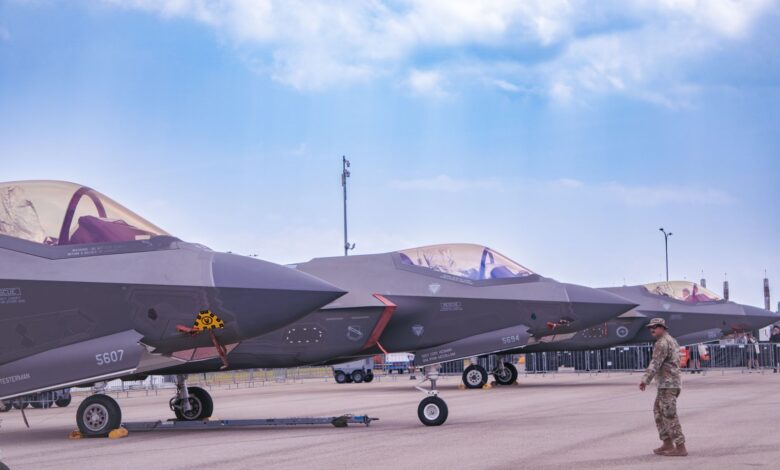
The proposed Israeli plan centers on sustained aerial bombardment, utilizing fighter aircraft to conduct continuous strikes against designated targets. Israeli officials have argued that this extended timeframe is necessary to degrade Iran’s growing military readiness. The urgency of this request is underpinned by Israeli warnings that Iran is rebuilding its missile and drone stockpiles. Furthermore, Israel claims that Tehran is expanding its capabilities in the production of chemical and biological weapons, citing these developments as justification for immediate and decisive military intervention.
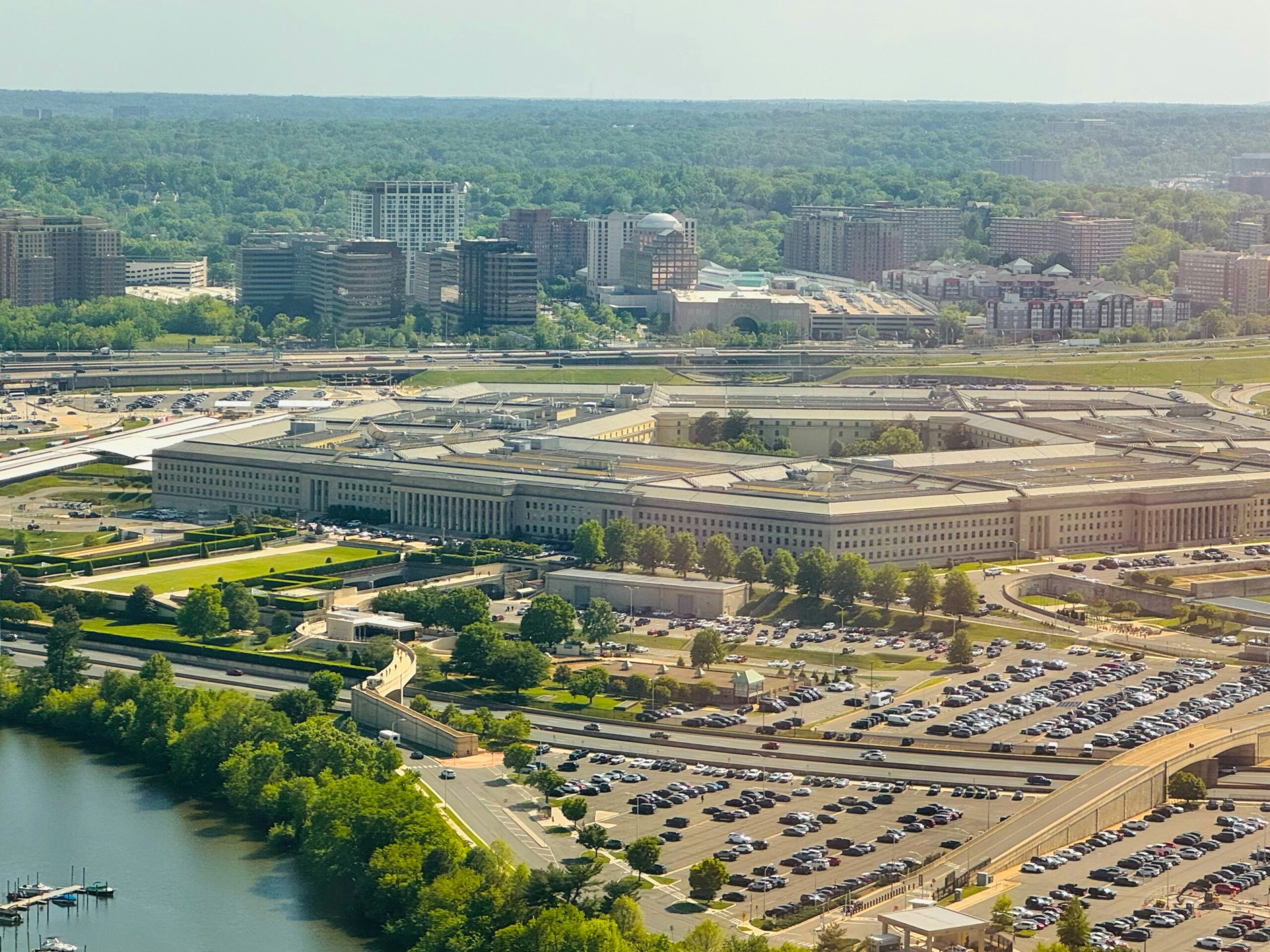
In response to these assessments, the Pentagon has briefed the President on a range of military options. These plans reportedly include targeting Iranian military installations as well as critical energy infrastructure. However, as of the current reporting, President Trump has not made a final decision on executing any of these options. The administration remains in a state of deliberation, weighing the strategic benefits of further strikes against the risks of broader regional conflict.
A significant factor complicating the decision-making process is the lack of consensus within the US national security establishment. American officials are reportedly divided on two key fronts: the reliability of the intelligence assessments regarding Iran’s weaponization programs and the potential consequences of reigniting large-scale combat. Some officials express concern over the risks of further escalation, suggesting that a new wave of attacks could destabilize the region in unpredictable ways. This internal disagreement highlights the complexity of the strategic landscape, where the perceived threat from Iran’s rebuilding efforts must be balanced against the potential for a wider war.
The distinction between stated capabilities and verified battlefield realities remains a central point of contention. While Israel asserts that Iran is actively enhancing its chemical and biological warfare capacities, these claims are currently treated as intelligence assessments rather than independently verified facts. The US military’s posture reflects this caution; while options to strike energy and military sites are on the table, no equipment has been deployed or movements made that would indicate an imminent launch of the proposed four-to-seven-day campaign. The situation remains one of high-level strategic planning rather than active operational execution.

The potential for a new round of strikes represents a significant shift in the tactical and operational calculus of the US-Iran confrontation. If approved, a multi-day air operation would move beyond the targeted, limited strikes seen in previous engagements, aiming instead for sustained pressure on Iran’s military infrastructure. However, the absence of a final decision underscores the restraint currently exercised by the US command structure. The focus now shifts to whether the intelligence community can provide sufficient certainty to overcome the internal divisions among US officials, or whether diplomatic channels will continue to be prioritized over kinetic action.
As the administration weighs these options, the international community watches for signs of force posture changes or diplomatic breakthroughs. The next critical development will likely be an official assessment from the Pentagon or a statement from the White House clarifying the status of the proposed air campaign. Until then, the military options remain theoretical, contingent on a political decision that balances the threat of Iranian rearmament against the risks of further regional instability.