
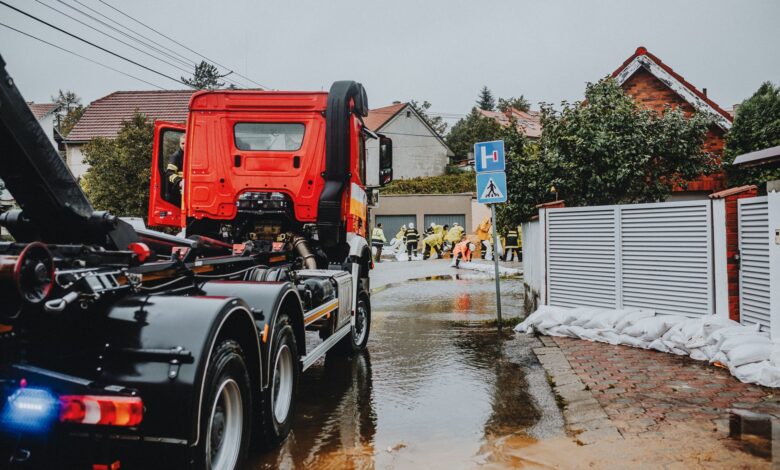
The event represents a notable instance of localized extreme weather with wide geographic reach. By affecting 14 counties in addition to the capital, the weather systems in question demonstrated a capacity for widespread disruption that extends beyond isolated local phenomena. This geographic spread suggests the presence of a substantial weather system or a series of coordinated severe weather events that impacted multiple climatic and topographic zones within Romania simultaneously.
From an environmental and climatic perspective, the occurrence of such widespread damage underscores the variability and intensity of weather patterns in the region. In the context of global climate science, extreme weather events are often scrutinized for their potential links to long-term warming trends. However, it is essential to distinguish between the documented occurrence of the event and the attribution of its cause. Current scientific consensus holds that while anthropogenic climate change increases the likelihood and intensity of certain types of extreme weather, attributing a specific single event directly to climate change requires rigorous attribution studies that analyze counterfactual scenarios—asking whether the event would have been as likely or as severe in a pre-industrial climate. Without specific data on the meteorological drivers of this particular storm or weather system, it is not possible to definitively claim a direct causal link to climate change based solely on the report of damage.
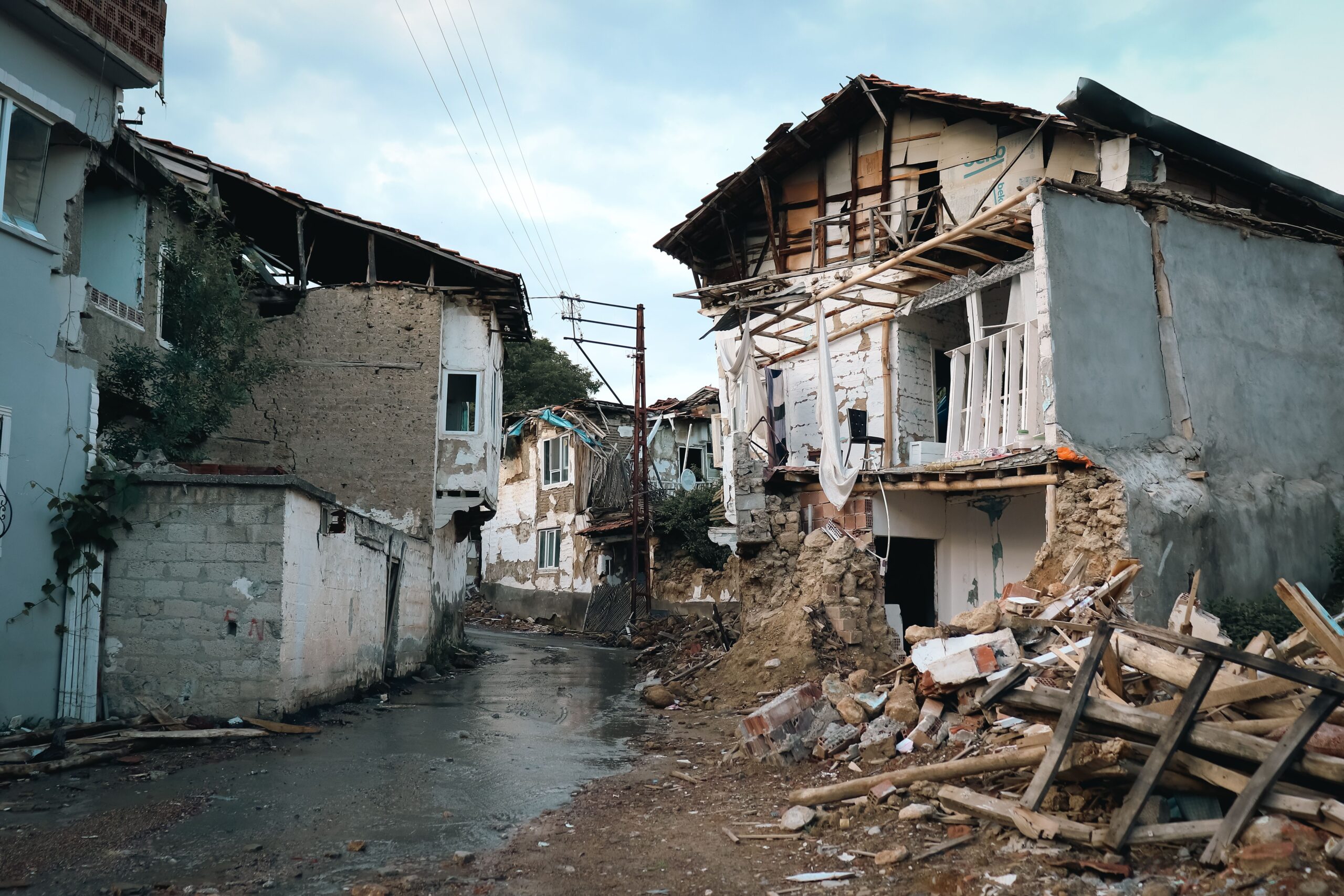
The impact of such events is multifaceted, affecting both natural habitats and human economies. In agricultural regions, which comprise a significant portion of Romania’s county structure, extreme weather can lead to crop loss, soil erosion, and disruption of farming cycles. In urban areas like Bucharest, the risks include infrastructure damage, power outages, and potential flooding or wind-driven hazards. The mention of “widespread damage” implies that the consequences were not limited to isolated incidents but affected multiple sectors, potentially including transport, energy, and public safety. Communities in the affected counties likely faced immediate challenges in response, including emergency services deployment, property repair, and logistical disruptions.
Natural factors, such as the specific atmospheric conditions that generated the weather system, played the primary role in the event’s occurrence. Human factors, however, influence the severity of the impact through urban planning, infrastructure resilience, and land-use practices. For instance, the degree of damage in urban areas can be exacerbated by inadequate drainage systems or aging infrastructure, while rural areas may suffer more from a lack of resilient agricultural practices. The interaction between these human and natural factors determines the overall environmental and economic toll of the event.
Response efforts to such widespread damage typically involve a combination of immediate emergency relief and longer-term adaptation strategies. In the short term, this includes search and rescue operations, medical aid, and the restoration of essential services. In the long term, governments and local authorities may review building codes, invest in flood defenses, and update early warning systems to better prepare for future events. International environmental publications often highlight that adaptation is not merely a technical challenge but also a policy and financial one, requiring sustained investment and coordinated action across different levels of governance.
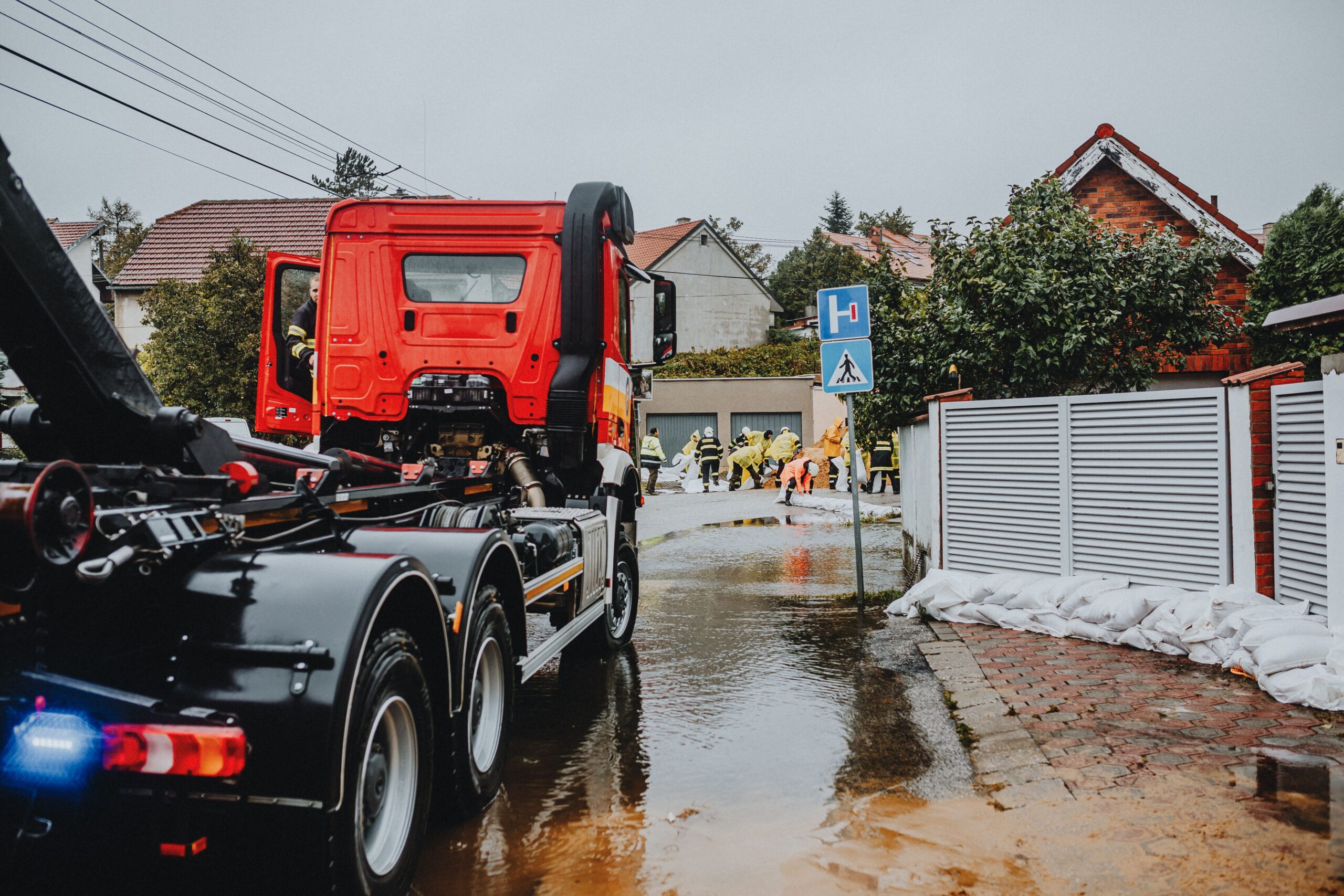
Uncertainties remain regarding the specific meteorological mechanisms that led to the damage in these 14 counties and Bucharest. Without detailed data on precipitation intensity, wind speeds, or temperature anomalies, it is difficult to assess whether this event falls within the range of historical variability or represents a new baseline of intensity. Furthermore, the long-term implications for the region’s climate resilience are complex. While single events do not define climate, a pattern of increasing frequency and severity of such widespread weather systems would be a critical indicator of changing climatic conditions. Monitoring these patterns over time is essential for policymakers and scientists to understand the trajectory of risk in the region.
As Romania continues to navigate the impacts of extreme weather, the focus remains on both mitigation and adaptation. The damage in Bucharest and the surrounding counties serves as a reminder of the vulnerability of both urban and rural environments to severe meteorological events. Future developments in climate science and regional monitoring will be crucial in determining whether such events are becoming more common or more intense. For now, the priority lies in assessing the full extent of the damage, supporting affected communities in their recovery, and integrating these lessons into broader strategies for environmental and climatic resilience.




One Comment